Bomb Cyclone Unleashes Historic Snowfall and Travel Chaos Across Southeast US
Bomb Cyclone Brings Historic Snowfall and Travel Chaos

Historic Winter Storm Paralyzes Southeast with Unprecedented Snowfall

A ferocious winter storm that rapidly intensified into a bomb cyclone has unleashed the heaviest snowfall seen in two decades across parts of the Southeastern United States, creating widespread travel chaos and leaving over 150,000 customers without power. The extreme weather system brought powerful wind gusts and abnormally heavy snow to regions largely unaccustomed to such severe winter conditions, with North Carolina bearing the brunt of the onslaught.

Record-Breaking Snowfall Measurements Across the Region

In the Smoky Mountains of North Carolina, the storm dumped staggering accumulations of snow, with Faust recording over 22.5 inches by 10 a.m. on Sunday. Charlotte, North Carolina's largest city, saw 11 inches of snowfall, tying for the fourth snowiest day in the city's recorded history. This marks the heaviest snowfall Charlotte has experienced since February 2004, representing a truly historic weather event for the region according to AccuWeather Meteorologist Tyler Roys.

The eastern coastal areas of North Carolina also received substantial snowfall, with Granby recording 10 inches and Hammocks Beach measuring 16 inches. Remarkably, Longwood, North Carolina, located near the South Carolina border and Myrtle Beach, registered a whopping 17 inches of snow. The corridor along Interstate 85 from Charlotte to Greensboro saw accumulations ranging from eight to 16 inches, representing some of the most significant snowfall from this particular storm system.

Transportation Network Brought to a Standstill

The combination of heavy snowfall and powerful winds has created dangerous travel conditions across the Southeast, with hundreds of flight cancellations and treacherous roadways. Charlotte Douglas International Airport alone cancelled 388 flights by Sunday morning, while Raleigh-Durham International saw 55 cancellations. Other regional airports including Myrtle Beach International and Charleston International each experienced over 20 cancellations as the storm disrupted air travel throughout the area.

Major highway corridors have been severely impacted, with travel expected to remain snarled throughout Sunday along portions of interstates 26, 40, 64, 75, 77, 81, 85 and 95 stretching from Tennessee to the Atlantic Coast through the Carolinas and southern Virginia. The North Carolina Department of Transportation issued a strongly worded advisory urging residents to avoid unnecessary travel, stating simply: "Stay home this morning unless it's an emergency or you are essential personnel."

Power Outages and Prolonged Recovery Challenges

The storm's impact extends beyond transportation, with over 150,000 customers experiencing power outages across the affected region. Recovery efforts face significant challenges as much of the Southeast will continue to experience sub-freezing temperatures through Sunday, complicating snow removal operations in areas with limited plowing equipment and de-icing chemicals available.

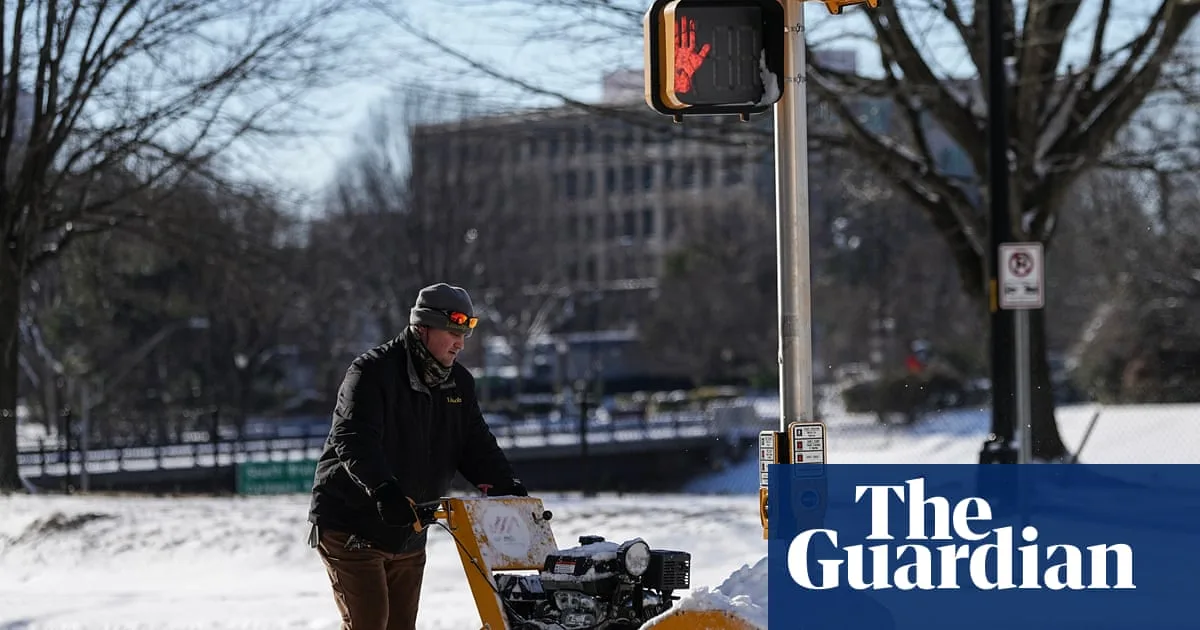
Meteorologist Tyler Roys emphasized the scale of the cleanup operation, noting that "from mid-South Carolina all the way up to much of North Carolina, it is going to be all day that snow removal is going to be taking place." The situation is further exacerbated by brutal wind chills that make temperatures feel significantly colder than actual readings, spreading bone-chilling conditions across Southern states unaccustomed to such severe winter weather.

Lingering Impacts and Continued Weather Threats

The bomb cyclone's effects are expected to persist throughout the coming week, with temperatures dropping dramatically each night and creating hazardous icy patches on roads and walkways. While daytime temperatures in Charlotte and parts of northern South Carolina may rise to the high 30s and lower 40s on Sunday, they are forecast to plummet again overnight, potentially reaching the lower teens or even upper single digits in many locations.

Coastal areas face additional threats from the storm system, with AccuWeather warning that high winds will create frequent, large waves along unprotected coastal regions from North Carolina to Delmarva, accompanied by moderate coastal flooding. This combination of factors ensures that the Southeast will continue grappling with the aftermath of this historic winter storm for days to come, testing the region's infrastructure and emergency response capabilities to their limits.