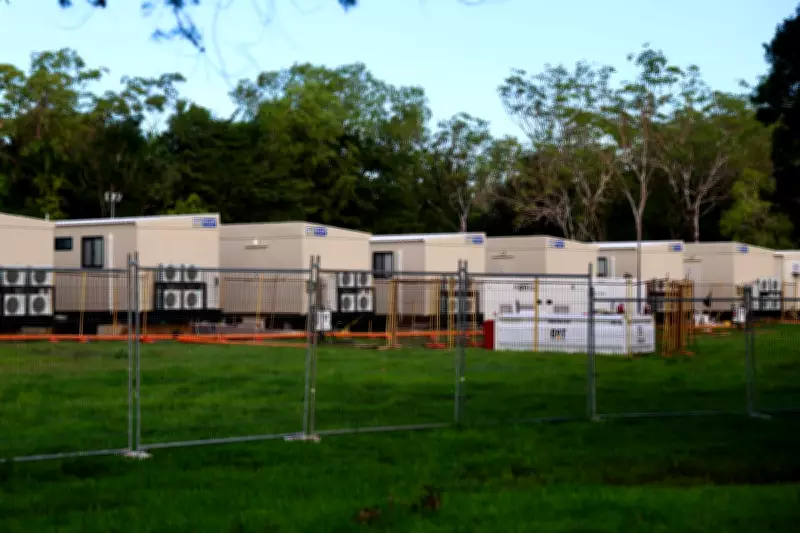
Evacuees from flooded remote Indigenous areas in the Northern Territory (NT) have been relocated to a compound that has been likened to a prison camp, sparking outrage among community leaders and human rights advocates.
Evacuation Amid Severe Flooding
Severe flooding in remote Indigenous communities across the NT prompted emergency evacuations over the past week. Hundreds of residents, predominantly from the Barkly and Central Desert regions, were airlifted to temporary accommodation in Alice Springs. However, the designated shelter has drawn sharp criticism for its conditions and security measures.
Conditions at the Compound
The compound, a former mining camp now repurposed for emergency housing, is surrounded by high fences and monitored by security personnel. Evacuees report restricted movement, limited access to basic amenities, and a lack of cultural sensitivity. One resident described the environment as “like being in a prison,” while others expressed feeling humiliated and disrespected.

Community and Advocacy Response
Indigenous leaders have condemned the arrangements, calling for immediate improvements or alternative housing. The Central Land Council stated that the situation is “unacceptable” and urged the NT government to consult with affected communities. Human rights groups have also raised concerns, noting that such treatment disproportionately impacts vulnerable populations.
Government Justification
The NT government has defended the use of the compound, citing the urgency of the evacuation and limited available infrastructure. Officials emphasized that the facility meets basic safety and health standards and that efforts are underway to transfer evacuees to more suitable accommodation. However, they acknowledged the need for better planning in future emergencies.
Broader Implications
This incident highlights ongoing challenges in disaster response for remote Indigenous communities, including inadequate housing, cultural insensitivity, and systemic neglect. Advocates call for long-term solutions that respect Indigenous sovereignty and ensure dignified treatment during crises.