A major levee failure in Washington state has triggered severe and widespread flooding, prompting urgent evacuations and a state of emergency. The breach occurred on Monday, December 16, 2025, along the Skagit River, unleashing a torrent of water that inundated homes, farmland, and critical infrastructure.
Emergency Response and Evacuations Underway
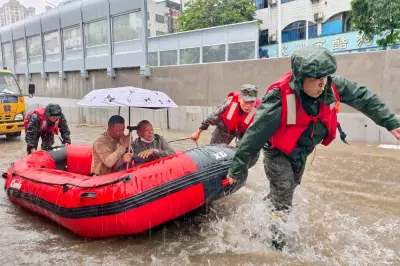
Local authorities issued immediate mandatory evacuation orders for residents in the flood's path. Emergency services, including the National Guard, were swiftly deployed to assist with rescues and to reinforce the compromised flood defences. The breach was reported near the town of Concrete, Washington, a community familiar with the river's power but now facing an unprecedented crisis.
Governor Jay Inslee declared a state of emergency, mobilising state resources to support the response effort. The flooding has already caused significant damage to properties and roads, isolating some communities and complicating rescue operations. Officials have urged residents to avoid travel in the affected areas and to heed all evacuation warnings without delay.

Causes and Escalating Impacts of the Disaster
The catastrophic failure is attributed to a combination of factors. The region has been subjected to intense and prolonged rainfall over recent days, saturating the ground and placing immense pressure on the levee system. This weather event, part of a larger atmospheric river pattern, overwhelmed the structure's capacity, leading to the critical breach.
The consequences are far-reaching. Beyond the immediate threat to life and property, the flooding poses a severe risk to local agriculture, with farmland submerged under feet of water. Critical infrastructure, including transportation routes, has been compromised, disrupting supply chains and daily life. Environmental concerns are also mounting, as floodwaters potentially carry contaminants and debris.
Looking Ahead: Recovery and Resilience
As response efforts continue, the focus is beginning to shift towards recovery and future prevention. This incident raises serious questions about the resilience of ageing infrastructure in the face of increasingly extreme weather events linked to climate change. Officials have warned that water levels may continue to rise before receding, and the full extent of the damage will not be known for days.
Community shelters have been established for displaced residents, and assessments are underway to determine the structural integrity of other levees in the region. The event serves as a stark reminder of the destructive power of nature and the critical importance of investing in robust, modernised flood defence systems to protect vulnerable communities.