Residents and tourists along Victoria's iconic Great Ocean Road faced a night of terror as sudden, violent flash flooding ripped through the area, with eyewitnesses describing scenes of cars being swept out to sea and caravan parks rapidly inundated.
Holiday Horror on the Surf Coast
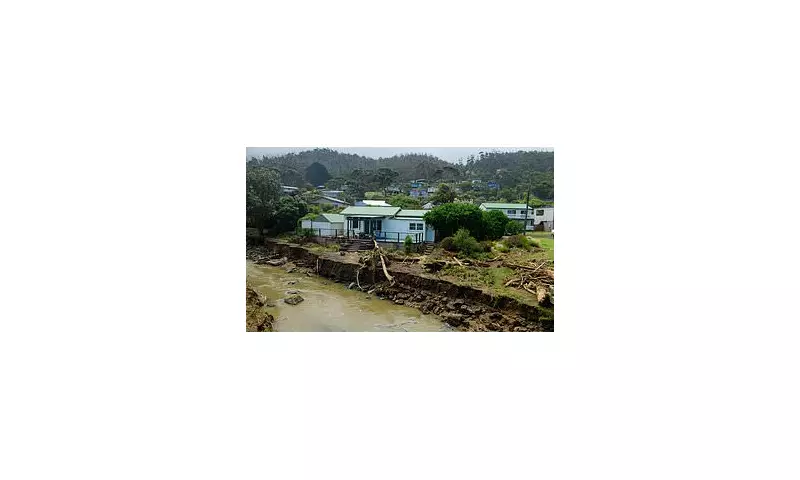
The community at Wye River and nearby Separation Creek bore the brunt of the intense downpour. One Separation Creek resident gave a harrowing account to the ABC, stating, 'We missed being killed probably by about ten seconds. We just ran for our lives.' Holidaymakers watched in disbelief as the floodwaters rose, with some forced to seek emergency clothing from local op-shops after losing their belongings.
In the aftermath, the landscape was littered with the wrecks of dozens of vehicles, some upturned and washed onto rocks after the Cumberland River flooded. The flooding tore through the area with such speed that many owners had no chance to reach their cars.

A 'Perfect Storm' of Geography and Climate
Experts analysing the event point to a confluence of bad luck and alarming trends. The thunderstorm hit the Wye River catchment, an area with geographic features that make it acutely vulnerable. The small, steep catchments draining the Otways' southern slopes generate runoff with incredible speed, turning intense rainfall into dangerous flash floods in minutes.
Professor Jason Evans from the University of New South Wales explained the climate science behind the increasing intensity of such storms. 'A warmer atmosphere results in more water vapour,' he told the ABC. 'More water vapour means more moisture in the rain... The rain will fall over a similar period of time, but there was more water there, so it falls out more intensely.'
Research indicates that over the last 30 years, global warming has increased the intensity of thunderstorm downpours by 15 to 20 per cent. The prognosis is stark: by the century's end, the risk of such flooding is expected to double, with large floods becoming larger due to more intense rainfall.
The Critical Need for Improved Warnings and Awareness
A key challenge highlighted by the disaster is the difficulty of predicting exactly where a thunderstorm will strike, making specific, timely warnings nearly impossible for these flash events. The most intense part of the Wye River storm covered only a tiny fraction of the broader forecast area.
Flood risk specialists argue that communities must become as attuned to flood warnings as they are to bushfire alerts. 'If you're in a high risk area, you shouldn't just be saying, 'Oh it's just a bit of rain, we'll wait it out',' one expert cautioned. They called for a similar graded messaging system to prompt pre-emptive movement from danger zones.
Many popular campgrounds and holiday spots are situated on flat, grassy land near riverbanks—idyllic in fine weather but the most dangerous place to be when floods arrive. The expert admitted that even with professional knowledge, the 'holiday mode' mindset can be a risk, stating, 'I can imagine being caught out... and being slow to respond. I can well imagine staying put and hoping for the best.'
The severe weather was not confined to Victoria. In New South Wales, authorities issued evacuation orders for Sydney's Narrabeen suburb due to flash flooding, with State Emergency Services responding to over 1,700 incidents. Tragically, a woman died south of Sydney after a tree branch fell on her car.
Meanwhile, in Queensland, ex-Tropical Cyclone Koji continued to drive major flooding, with Premier David Crisafulli warning the livestock death toll, already exceeding 68,700, was likely to surpass 100,000.
The message from emergency services remains clear: those in affected areas must stay updated with official warnings and avoid floodwaters at all costs. As climate change amplifies the threat, public awareness and preparedness are becoming matters of life and death.