Mountain Rescue Veteran Highlights Social Media's Role in Rising Rescue Missions
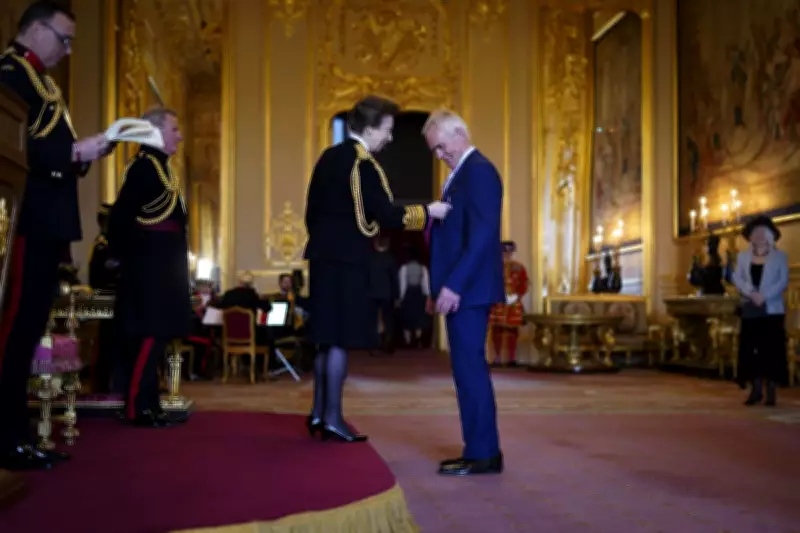
A distinguished mountain rescuer has issued a stark warning about the "massive impact" of social media on the increasing number of rescue operations across the UK's mountainous regions. Richard Warren, who was recently honoured with an OBE for his services to mountain rescue in Cumbria and the Lake District, spoke candidly about this growing concern during an investiture ceremony at Windsor Castle.
Four Decades of Service Recognised with OBE Honour
Richard Warren received his OBE from the Princess Royal in a formal ceremony held on Tuesday afternoon. With over 40 years of experience as a volunteer with the Wasdale Mountain Rescue Team, Mr Warren's dedication to saving lives in some of England's most challenging terrain has been formally acknowledged by the Crown.
The Social Media Effect on Mountain Safety
When questioned about contemporary challenges facing mountain rescue teams, Mr Warren was unequivocal about the influence of digital platforms. "It's had a massive impact on mountain rescue, not just in my own team in Wasdale, but on all teams in north Wales, Scotland, but very much so in England," he stated.

He elaborated on the specific mechanism through which social media contributes to dangerous situations:
- People visit mountains during good weather to take selfies and scenic photos
- These images are then shared on social media platforms
- Friends see these posts and decide they want to replicate the experience
- Many subsequently attempt hikes without proper preparation or equipment
"They won't buy maps and compasses, everything will be on their smart technology, and a lot of them will get into trouble," Mr Warren explained, highlighting the over-reliance on smartphones that frequently fail in remote mountainous areas.
Alarming Statistics from England's Highest Peak
The veteran rescuer provided concerning statistics about rescue operations at Scafell Pike, England's highest mountain. Approximately half of all rescues conducted by his team occur at this location, and of those incidents, over half now involve people who are simply "lost or missing" - situations Mr Warren categorises as "avoidable rescues."
Evolving Safety Advice for Modern Hikers
Recognising that traditional advice about maps and compasses may no longer resonate with technology-dependent hikers, Mr Warren has adapted his safety recommendations. He now emphasises the importance of carrying power banks to keep devices charged and recommends using specialised safety software called "Adventure Smart."
"We want them to enjoy the mountains, be safe, be responsible, make a good day even better and be adventure smart," he affirmed, balancing his concerns with a genuine desire for people to experience the beauty of the UK's mountainous regions safely.
Holocaust Educator Also Honoured
The same investiture ceremony also recognised Professor Ruth-Anne Lenga with an OBE for her services to Holocaust education. The University College London associate professor expressed serious concerns about rising antisemitism online and stressed the critical importance of accurate Holocaust education.
"We must know and learn about the fact that this was not perpetrated by one crazy dictator," Professor Lenga emphasised. "Yes, that was a key factor, but the responsibility for the Holocaust is much broader than that."
She challenged common misconceptions about Britain's role during the period, noting that research shows many young people incorrectly believe Britain went to war specifically to save Jewish people or were unaware of the Holocaust's atrocities as they unfolded.
"I think it's important for us to look at our own history without the rose-tinted glasses," Professor Lenga concluded, advocating for a more nuanced understanding of historical events.