More than 500 people are feared to have died after two boats carrying Rohingya refugees capsized in the Bay of Bengal, Bangladeshi officials confirmed on Thursday. The vessels departed from Myanmar's western Rakhine state in late June, according to a joint statement from the International Organization for Migration (IOM) and the United Nations High Commissioner for Refugees (UNHCR).
Details of the Incident
One boat is believed to have carried approximately 250 passengers and lost contact shortly after departure. A second vessel, reportedly carrying 280 people, is thought to have sunk off Myanmar's Ayeyarwady coast on 8th July. Many of those on board were Rohingya, including individuals from refugee camps in Bangladesh.
Monsoon Conditions and Migration Patterns
The UNHCR and IOM noted that Rohingya fleeing Myanmar and Bangladesh typically avoid sea voyages during the monsoon season, when heavy rainfall and flooding make the seas extremely dangerous. The agencies expressed grave concern over the potential catastrophic loss of life, highlighting that such crossings are often hampered by torrential rains and widespread flooding.
Context of the Rohingya Crisis
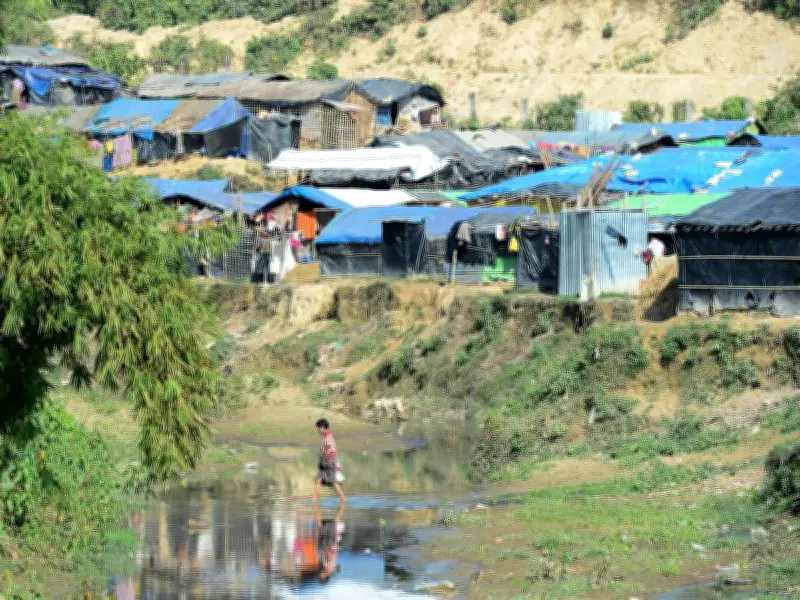
Approximately 1.2 million stateless, predominantly Muslim Rohingya live in refugee camps in Bangladesh, having fled persecution and violence in Myanmar. The Myanmar military, which the United States has declared responsible for genocide against the Rohingya in 2017, continues to control Rakhine state. Rohingya still in Myanmar face severe restrictions, with many confined to internment camps.
Call for Action
"Stronger regional and international efforts are needed to prevent further loss of life along one of the world's deadliest maritime routes, including through enhanced search and rescue efforts, access to asylum and protection, and actions against smuggling and trafficking networks," the agencies said.
Deadliest Year on Record
More than 6,500 Rohingya fled by sea in 2025, with nearly 900 reported dead or missing, making it the deadliest year on record for Rohingya attempting to escape by boat. According to the UNHCR, this represents the highest mortality rate of any major refugee and migrant sea route in the world.