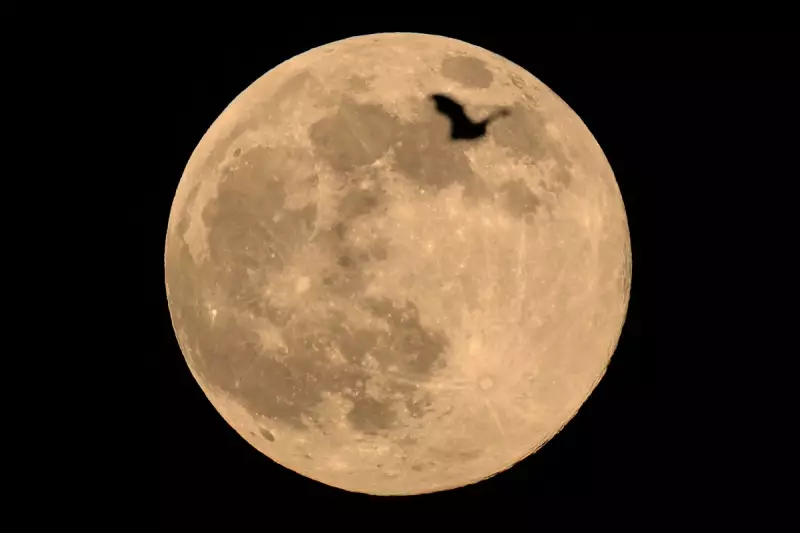
Astronomy enthusiasts across the United Kingdom are being encouraged to brave the winter chill this Saturday, 3rd January 2026, for a stunning view of the year's first full moon – the Wolf Moon. Forecasters predict clear skies for much of the country, offering prime conditions to witness this celestial event, which is also a supermoon.
What Makes This Wolf Moon Special?
This is no ordinary full moon. According to astronomers at the Royal Observatory in Greenwich, January's lunar display qualifies as a supermoon. This captivating phenomenon occurs when the moon is full and near its closest point to Earth in its orbit, known as perigee. The result is a moon that can appear up to 14 per cent larger and 30 per cent brighter compared to when it is at its furthest distance.
The moon will reach its fullest phase at around 10am on Saturday. While this is during daylight hours, the supermoon will still be clearly visible in the morning sky and will remain impressive in the preceding night and following evening.

Clear Skies Forecast for Most
Met Office meteorologist Simon Partridge provided a detailed forecast, indicating that the supermoon should be “visible for most people”. He explained that while south-west England, west Wales, and Northern Ireland may see cloudy conditions with wintry showers, and northern Scotland will be cloudy with snow showers, the rest of the country can expect plenty of sunshine.
"For many of us, temperatures will be around zero by 10 o’clock in the morning so it will be a very cold start," Mr Partridge cautioned. "So there’s probably still going to be a fair bit of frost on the ground. So very chilly, but very clear and very sunny – so if you wrap up warm, it’ll be good to get out and see it."
The Story Behind the Name
Every full moon throughout the year carries a traditional nickname. Jess Lee, an astronomer at the Royal Observatory Greenwich, explained the origins of January's title. "The January full moon is often called the Wolf Moon, a name inspired by wolves that were thought to roam during the long winter nights," she said. The name is believed to stem from the howling of hungry wolves prowling for food in the deep winter months.
The good news for city dwellers is that no special equipment or trip to the countryside is necessary. Ms Lee added, "You don’t need any special equipment or to escape light pollution to enjoy the view, it’s a beautiful sight in cities and rural areas alike." So, whether you're in a bustling urban centre or the quiet countryside, look up this Saturday morning for a chance to witness the magnificent Wolf Supermoon.