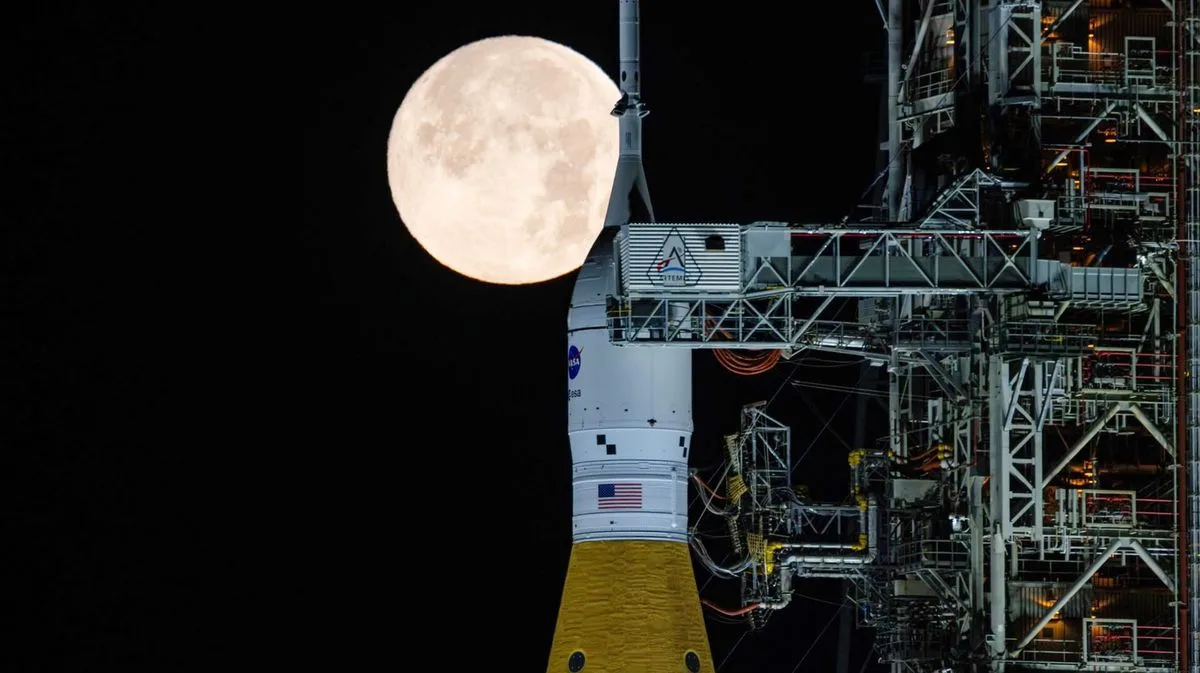
After months of setbacks, Nasa's Artemis 2 rocket has been returned to the launchpad at the Kennedy Space Centre, with the agency now targeting April 1 for lift-off. This will be the first crewed voyage to the Moon since 1972.
The mission, which will see three Nasa astronauts and one from the Canadian Space Agency fly around the Moon, has been plagued by difficulties. A liquid hydrogen leak scuppered an initial February 8 launch date, and later a problem with the flow of helium used to purge the spacecraft engines caused further delays. The rocket was rolled back indoors in February for repairs and testing.
Nasa Administrator Jared Isaacman acknowledged the frustration, comparing the challenges to those faced by the agency during the 1960s space race. He said: “I understand people are disappointed by this development. That disappointment is felt most by the team at Nasa, who have been working tirelessly to prepare for this great endeavour.” He noted that even the Apollo era saw many setbacks.

The Space Launch System rocket was moved out of the Vehicle Assembly Building on March 20 and now sits on the pad. The launch window runs from April 1 to April 6; if missed, the next opportunity opens on April 30.
Artemis 2 is a crucial stepping stone in Nasa's plans to establish a sustained presence on the Moon, including a base. It follows the uncrewed Artemis 1 mission in November 2022, which sent the Orion spacecraft into lunar orbit for nearly a month. Now Orion will carry four astronauts on a 10-day flight around the far side of the Moon and back, the first such trip since Apollo 17.