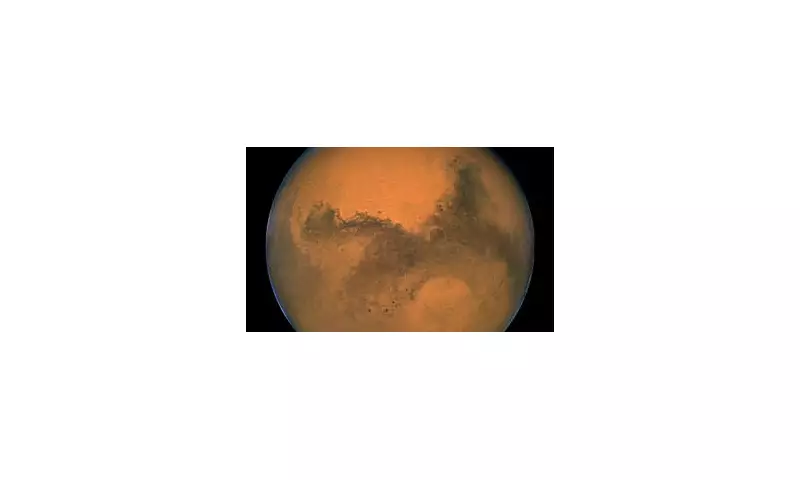
Moisture extracted from the Martian atmosphere could serve as a valuable alternative water source for potential human inhabitants of the red planet, according to new academic research. The study provides a comprehensive analysis of various water procurement methods that might be deployed in extraterrestrial environments.
Comparative Analysis of Martian Water Sources
Dr Vassilis Inglezakis from Strathclyde University's Department of Chemical and Process Engineering examined multiple approaches to obtaining water on Mars in a paper published in the Advances In Space Research journal. The planet possesses several potential H2O sources, including underground ice deposits, soil moisture, and atmospheric vapour.
Subsurface Ice as Primary Long-Term Solution
The research identified subsurface ice as the most viable long-term water solution for sustained human presence on Mars. However, Dr Inglezakis noted a significant practical limitation: accessible ice deposits are unlikely to be located near potential landing sites for explorers and settlers.

This geographical challenge necessitates consideration of alternative water procurement methods that could be implemented immediately upon arrival at Martian bases.
Atmospheric Harvesting as Practical Alternative
While harvesting water from the Martian atmosphere presents greater energy and power requirements compared to accessing subsurface ice, the study suggests this method could provide crucial alternatives in regions where underground resources prove inaccessible.
Dr Inglezakis explained: 'Reliable access to water would be essential for human survival on Mars, not only for drinking but also for producing oxygen and fuel, which would reduce dependence on Earth-based supplies.'
Technological Assessment and Innovation
The paper represents one of the first comprehensive comparisons of various technologies that could be deployed to recover water in Martian conditions. Each method is evaluated according to energy demands, scalability, and suitability for different environmental scenarios on the planet.
The research introduces novel concepts for atmospheric water harvesting, proposing potentially valuable alternatives where conventional water sources might be unavailable or difficult to access during initial settlement phases.
Strategic Implications for Space Exploration
Dr Inglezakis emphasised the importance of this technological assessment: 'While the search for water continues and much of Mars remains unexplored, a clear understanding of available technologies and their realistic applications will be key to supporting sustained missions and eventual settlement.'
The analysis offers significant insights for future space exploration missions, supporting efforts to make extraterrestrial endeavours more self-sufficient and sustainable. By developing multiple water procurement strategies, mission planners can create redundancy systems that increase the likelihood of successful long-term habitation.
This research contributes to growing scientific understanding of practical challenges facing human expansion beyond Earth, with water resource management representing a fundamental concern for any sustained presence on Mars or other celestial bodies.