Severe G4 Geomagnetic Storm to Illuminate Australian Skies with Aurora Australis
Severe Solar Storm to Trigger Southern Lights Display

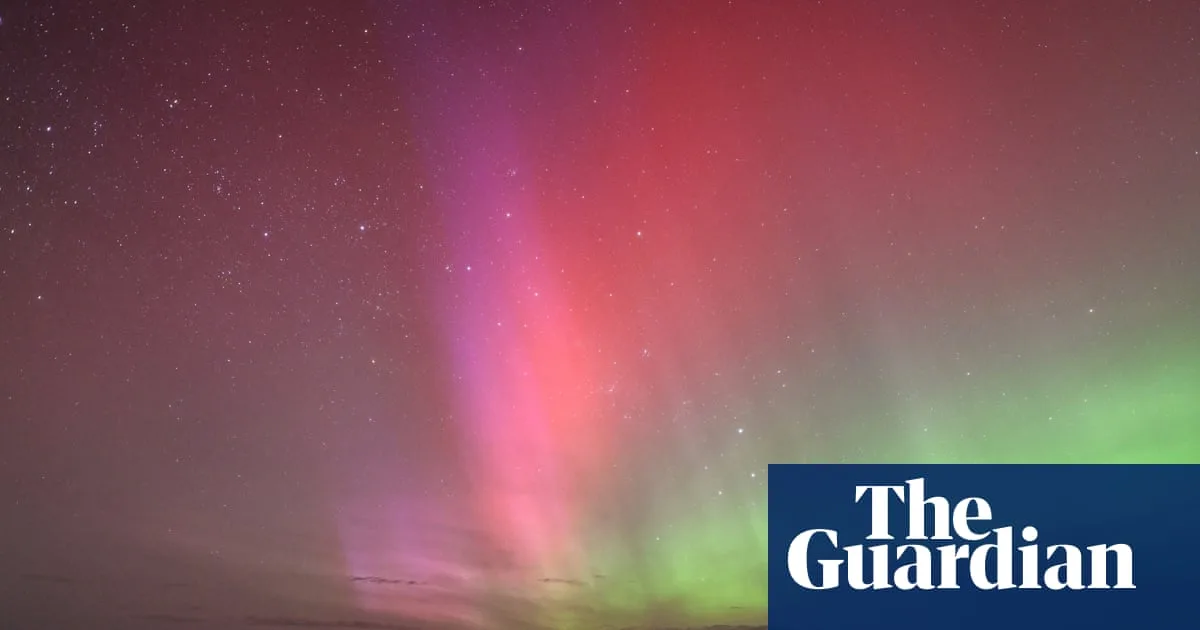
Australia is bracing for a spectacular celestial light show as a severe geomagnetic storm is forecast to hit the Earth's atmosphere. The Australian Space Weather Forecasting Centre has issued a warning that the storm could disrupt some technologies while painting the night sky with the vibrant colours of the southern lights.

Solar Fury Sparks Severe Space Weather Alert

The Bureau of Meteorology's forecasting agency has confirmed that a coronal mass ejection (CME) – a massive burst of solar material and magnetic fields from the sun – is responsible for the incoming disturbance. This event, often called a solar flare, has triggered a severe G4-level geomagnetic storm forecast for Thursday. The global scale for such activity ranges from minor (G1) up to extreme (G5).

The agency warns that the strong solar wind associated with the storm may cause disruptions to radio frequencies and satellite signals. However, for most of the public, the most dramatic effect will be a highly visible aurora australis, expected to be seen much further north than usual.

Prime Viewing Spots for the Southern Lights

Locals and tourists in Tasmania, Victoria, South Australia, and southern Western Australia are in the best position to witness the natural display. Historically, during powerful events like this, the aurora has been spotted as far north as New South Wales and even southern Queensland.

This increased activity is linked to the sun being in its solar maximum, the peak of its roughly 11-year cycle of activity. This cycle is predicted to wind down to its minimum around 2030. The aurora occurs when charged particles from the sun collide with gases in Earth's magnetic field, creating shimmering curtains of light. The colours – which can include greens, reds, pinks, purples, and blues – depend on the altitude and whether the particles are interacting with oxygen or nitrogen.

How to Capture the Aurora on Camera

For those hoping to photograph the phenomenon, experts offer clear advice. Using a stable tripod is essential to avoid camera shake during long exposures. Setting a low shutter speed will allow more light to be captured, revealing the aurora's full spectrum of colour.

While dedicated cameras typically yield the best results, modern smartphone cameras can also be effective, especially when used in manual or night mode. The aurora australis is also forecast to return for another display on Tuesday night, offering a second chance for sky-watchers. Last year's extreme G5 event allowed the lights to be seen from the central Queensland coast, highlighting the potential intensity of these solar storms.