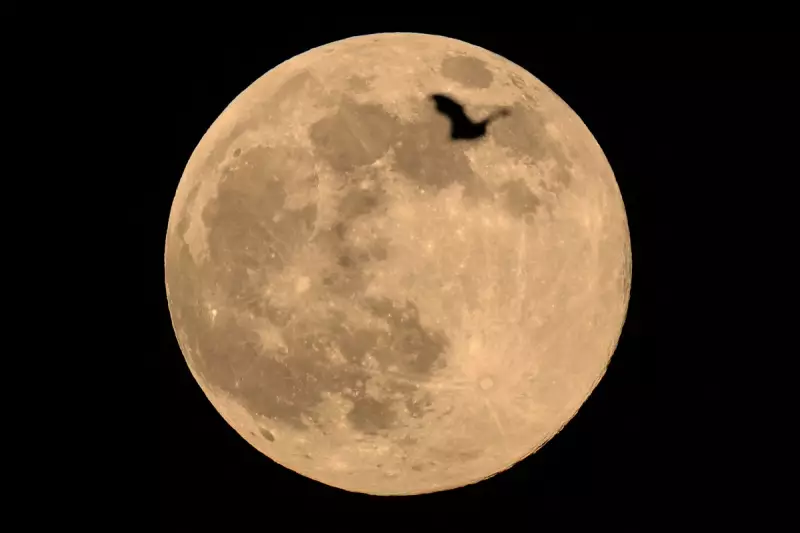
Skywatchers across the UK are preparing for a spectacular celestial event this weekend, as the first and last Supermoon of 2026 prepares to grace the night sky.
The Final Supermoon in a Series
The so-called Wolf Moon will reach its fullest point around 10:00 am GMT on Saturday, 4 January 2026. This event marks the culmination of a series of Supermoons that began back in October of the previous year. Notably, this will be the final opportunity to witness a Supermoon for a significant period; astronomy enthusiasts will need to wait until November 2026 for the next one to appear.
A Supermoon occurs when a full moon coincides with the Moon's closest approach to Earth in its elliptical orbit, known as perigee. This proximity makes the lunar disc appear approximately 14 per cent larger and 30 per cent brighter than when it is at its farthest point. The name 'Wolf Moon' is traditionally attributed to January's full moon, linked to the time of year when wolves were heard howling in the deep winter.

How and Where to Watch
The good news for the public is that no specialised telescopes or equipment are needed to enjoy this natural spectacle. The full moon will be clearly visible to the naked eye. For an even more impressive view, experts suggest that observing from a busy urban location can actually enhance the experience.
When viewed against buildings or trees on the horizon, an optical illusion known as the 'Moon illusion' can make the rising Supermoon appear even more gigantic and dramatic. Simply find a clear spot with a good view of the eastern horizon in the evening of the 3rd and 4th, and look up.
A Cosmic Conflict: Moon Versus Meteors
While the Supermoon offers a brilliant display, its intense glow comes with a downside for other astronomical events. The Wolf Moon's arrival coincides with the peak of the Quadrantid meteor shower, one of the year's most reliable showers.
The exceptional brightness of the full moon will act as a form of light pollution, washing out the fainter streaks of the meteors and making them much more difficult, if not impossible, to spot. This means the celestial schedule presents a choice: enjoy the singular, brilliant beacon of the Supermoon, or hope for a few bright fireballs to punch through the lunar glare.
This January's Wolf Supermoon serves as a striking reminder of the dynamic rhythms of our solar system. It provides a perfect, accessible opportunity for people of all ages to pause and appreciate a grand, natural phenomenon before it retreats from view for the better part of a year.