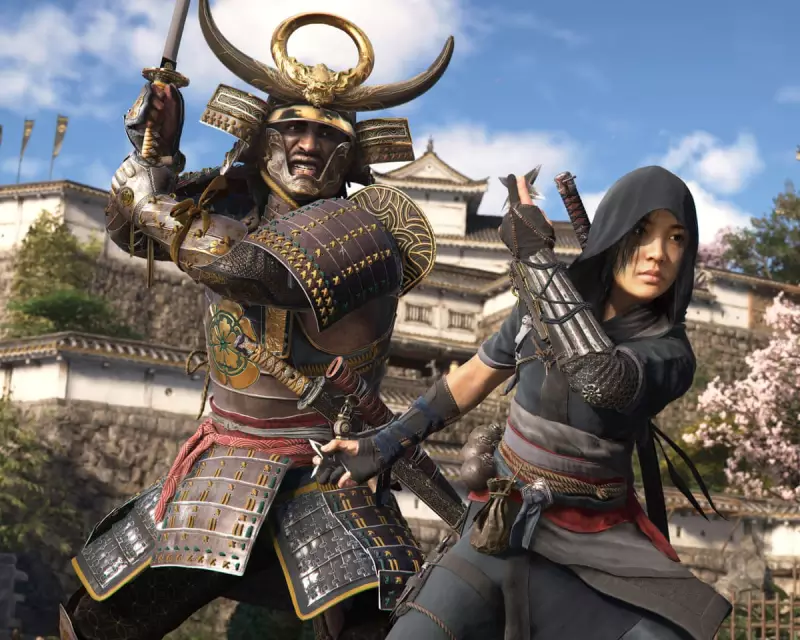
Ubisoft Announces Major Restructuring After Years of Weak Performance
The renowned video game publisher behind the globally successful Assassin's Creed franchise, Ubisoft, has unveiled a significant corporate overhaul. This strategic move comes as a direct response to several consecutive years of disappointing financial results and underwhelming sales figures across multiple titles.
Project Cancellations and Studio Closures
As part of this comprehensive restructuring plan, Ubisoft has confirmed the cancellation of six in-development video game projects. Among the most notable casualties is the highly anticipated Prince of Persia: The Sands of Time remake, a title that had generated considerable excitement among fans of the classic series which originated in 1989.
In addition to these cancellations, the company will permanently close its development studios in Halifax, Canada and Stockholm, Sweden. The restructuring is expected to extend to other international offices as Ubisoft seeks to streamline its global operations and reduce overhead costs significantly.

Financial Impact and Market Reaction
The announcement triggered an immediate and severe reaction from investors. On the day of the reveal, Ubisoft's share price plummeted by approximately one-third, reaching its lowest valuation point since 2011. This dramatic fall reduced the company's market capitalisation to around €590 million (£514 million), a stark contrast to its peak valuation of over €10 billion during the previous decade.
This financial turbulence follows a period of operational challenges for the Paris-based publisher. In late 2025, Ubisoft was forced to postpone the publication of its half-year financial results unexpectedly, leading to a temporary suspension of trading in its shares and corporate bonds.
Strategic Reorganisation and Market Challenges
Ubisoft's restructuring plan involves dividing its creative operations into five distinct divisions, each organised by specific game genre. This organisational shift aims to sharpen the company's creative focus and improve cost management after what executives have described as years of disappointing game releases.
Yves Guillemot, Ubisoft's founder and chief executive officer, explained the rationale behind these drastic measures. "The triple-A industry has become persistently more selective and competitive with rising development costs and greater challenges in creating brands," he stated. Guillemot acknowledged the increasing difficulty of succeeding in the modern gaming landscape while maintaining that successful AAA titles now offer greater financial potential than ever before.
Evolving Gamer Expectations and Market Dynamics
Industry analysts have pointed to shifting consumer preferences as a key factor in Ubisoft's recent struggles. Laurent Michaud, a respected gaming industry economist, observed that traditional action-adventure titles like Prince of Persia have fallen out of favour with contemporary audiences.
"The expectations of gamers are quite different to where they were 10 years ago," Michaud explained. "That's why it's difficult to keep in touch with an audience that has changed so much over the years." He noted that the current market is dominated by shooter games like Fortnite and Call of Duty, cooperative adventures, sports simulations, and multiplayer platform games such as those available on Roblox.
Despite these challenges, Michaud acknowledged Ubisoft's enduring strengths: "Ubisoft is still one of the most popular content providers in the video games industry. It has developed one of the best IP slates in the industry but even if the games are really good, it is not enough. It has to meet people's expectations and tastes."
This latest corporate overhaul represents Ubisoft's determined effort to regain its competitive edge in an increasingly challenging global gaming market, where development costs continue to escalate while player preferences evolve rapidly.