Tarsier Studios Explores New Horrors with Reanimal
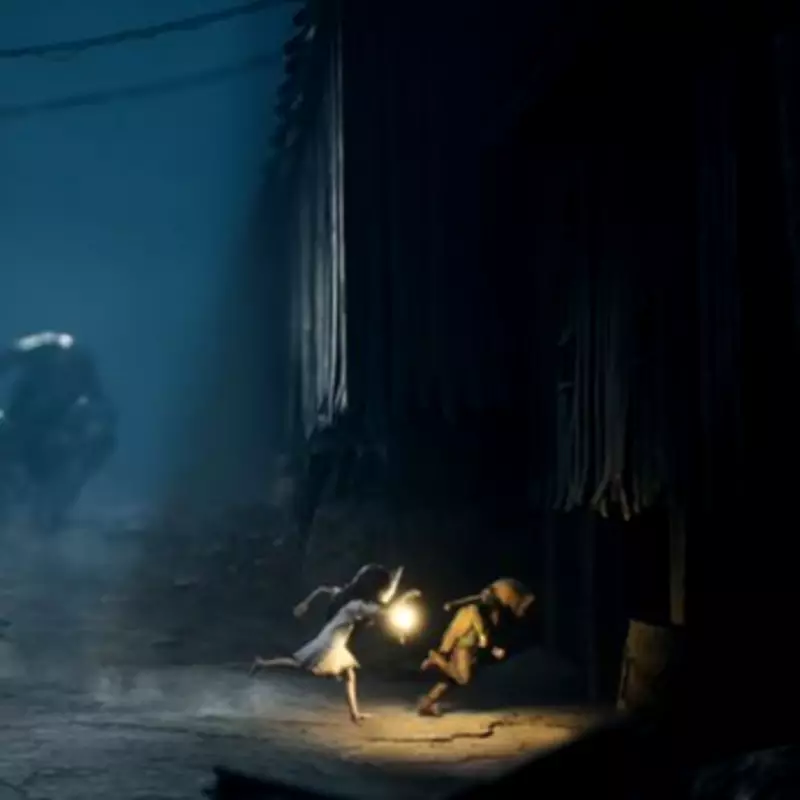
Following the recent launch of its cinematic horror platformer Reanimal, developer Tarsier Studios has opened up about the game's development and its place in the studio's portfolio. The title, which released this week to critical acclaim, aims to deliver a more grounded and intense horror experience compared to the studio's previous work on the Little Nightmares series.
Building on a Legacy
Andreas Johnsson, co-founder of Tarsier Studios, reflected on the unexpected success of Little Nightmares. "The first game was quite slow in getting a broader player base," he noted. "It wasn't bad; it just wasn't that huge. But when Little Nightmares 2 was about to be released, it just took off. I remember those numbers—several million copies sold of Little Nightmares 1 during that time. It was like, 'what is going on?'"
David Mervik, the game's writer, added with humor, "You know what we should have done though, Andreas. We really should have called this game Re-Animal 2." Johnsson responded, "Too late now, man."

Designing for Shared Fear
A key innovation in Reanimal is its integration of co-operative gameplay, available both locally and online. Mervik explained that the story concept came first: "It was a concept someone had pitched as a game about this group of orphans trying to escape somewhere, and that really kind of stuck with us."
Johnsson detailed the technical challenges: "Making a game that is good in single-player and local co-op but also online is similar. But the reason why they're similar for our game is because we only have this one camera—no split-screen in local. In one way that helped us, but it also creates a lot of limitations."
He emphasized that the core pillar of Reanimal is "being scared together," and that designing for a single camera helped strengthen the narrative. "The result with these limitations and challenges just makes the game stronger," Johnsson said, though he acknowledged it pushed the design and tech teams out of their comfort zones.
A Grounded Horror World
Reanimal distinguishes itself from Little Nightmares through a more grounded setting. Mervik explained, "One of the terms that we used a lot in all areas, like with the dialog and the way we design the characters and how the world should feel, it was just grounded. It needs to feel more grounded this one, because that fantastical element didn't belong in the story we want to tell."
He contrasted this with Little Nightmares, where the protagonist Six was designed to stand out visually. "Here these kids are of this place," Mervik said. "It was turning something that should feel like home and somewhere that you once felt safe into somewhere that you are scared of now."
Navigating a Higher Age Rating
With Reanimal receiving a higher age rating than Little Nightmares, the team considered its impact on sales. Johnsson stated, "We didn't really think about it that much. It's always interesting when you create something new, like a new world, a new IP, that you don't limit yourself. Definitely not rating-wise. That would be kind of boring to think about."
He acknowledged that the rating might limit the audience somewhat but added pragmatically, "They've grown up now. It's fine."
Balancing Fear and Engagement
The co-op aspect influences how fear is experienced in the game. Mervik observed, "I think things don't feel as scary when you're together. It's a different vibe in the room, isn't it? You laugh a little bit; you have that nervous energy. You can dial it up a little bit on the scare factor when you know you've got people playing co-op together."
He stressed that scares must feel integral to the world: "If it feels a bit excessive, like it's just there to shock, it doesn't belong then, does it? It's still got to feel part of this world."
Future Directions for Tarsier
When asked if Tarsier will continue specializing in dark cinematic platformers, Johnsson pointed to the studio's diverse history, including games like Statik and Stretchers. "I think the thread here includes games like Statik because they have some commonality," he said. "You have these offbeat, layers of information that you have to peel. We have a couple of like things that we think are things that should be part of our games. It's not genre specific."

Mervik hinted at potential shifts, noting the influence of real-world events: "We are interested in a bunch of different stuff and it's always what captures our interest at that time. I don't know how our monsters can beat what's going on in the real world at the moment, so maybe we need to take a fresh look at what we're doing. You know, we've got some competition."
Reanimal is available now on PlayStation, Xbox, PC, and Nintendo Switch, offering players a new, collaborative horror experience from the creators of Little Nightmares.