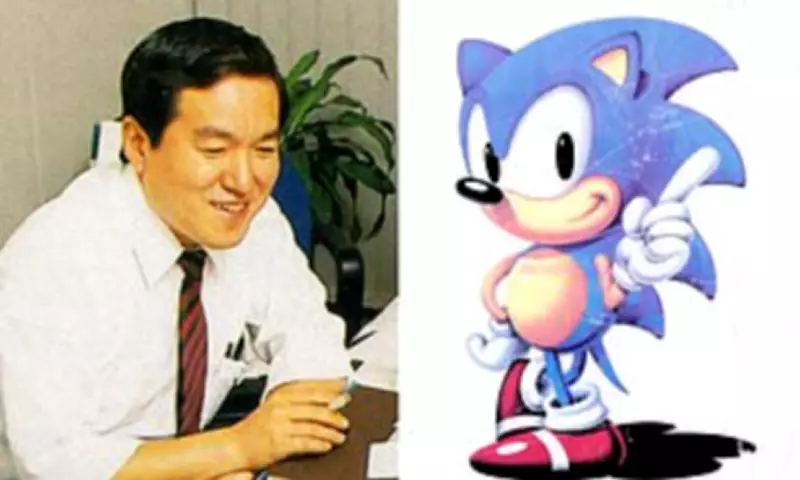
The gaming world is in mourning following the death of Hideki Sato, the former Sega president and mastermind behind some of the most iconic gaming consoles in history. Japanese media outlet Beep 21 reported that Sato passed away at the age of 77, leaving behind a legacy that shaped the video game industry for decades.
A Career Dedicated to Sega Innovation
Hideki Sato joined Sega in 1971 and steadily climbed the corporate ladder, ultimately serving as acting president from 2001 to 2003. Throughout his tenure, he was a pivotal figure in research and development, leading the creation of Sega's arcade and home console hardware. His work spanned multiple generations of gaming technology, from the early days to the modern era.
Iconic Consoles Under His Leadership
Under Sato's guidance, Sega released a series of groundbreaking products that defined gaming for millions. These included:

- The SG-1000, Sega's first home console
- The Sega Master System
- The legendary Sega Mega Drive (known as Genesis in North America)
- The Sega Saturn
- The Sega Dreamcast
Additionally, Sato designed the Sega System 1 arcade hardware and the SC-3000 computer, showcasing his versatility across different gaming platforms.
The Mega Drive: A Gaming Revolution
Among Sato's most celebrated achievements was the Sega Mega Drive, which revolutionized home gaming by bringing arcade-style experiences into living rooms worldwide. Released in Japan in October 1988 and in America and Europe the following year, the console introduced players to classics like Sonic the Hedgehog.
During its peak in the mid-1990s, Sega sold more than 100 million home consoles globally, with the Mega Drive alone accounting for approximately 43 million units. The console's success established Sega as a major competitor in the gaming market, though it eventually faced challenges from Sony's PlayStation, which set new industry standards.
Transition and Legacy
By the time Sato left Sega in 2008, the company was undergoing a significant transformation, shifting from hardware manufacturing to publishing games for rival platforms like Nintendo, PlayStation, and Xbox. This transition marked the end of an era for Sega as a console maker but cemented its place in gaming history.
In a heartfelt tribute on X, Beep 21 honored Sato as "the father of Sega hardware," stating: "He was a truly great man who captivated the history of Japanese video games and Sega fans around the world. The excitement and spirit of challenge from that era will, I believe, remain in the memories of many fans forever and ever."
The recent resurgence of retro gaming has seen renewed interest in Sega's classic consoles, with re-releases and nostalgia-driven products keeping Sato's creations alive for new generations. His contributions continue to inspire gamers and developers alike, ensuring his legacy endures in the annals of video game history.