A recent study has revealed that even individuals who have never joined Facebook—comprising one in five British internet users—still possess a 'shadow' presence on the platform, allowing algorithms to predict their behaviours with 95% accuracy. This unsettling finding underscores the pervasive reach of social media, even for those who choose to opt out.
The phenomenon, dubbed a 'shadow Facebook account', means that non-users are still vulnerable to data collection through photos and information shared by friends and family. This raises serious questions about privacy and consent, as individuals may unknowingly have their images and data used without permission.
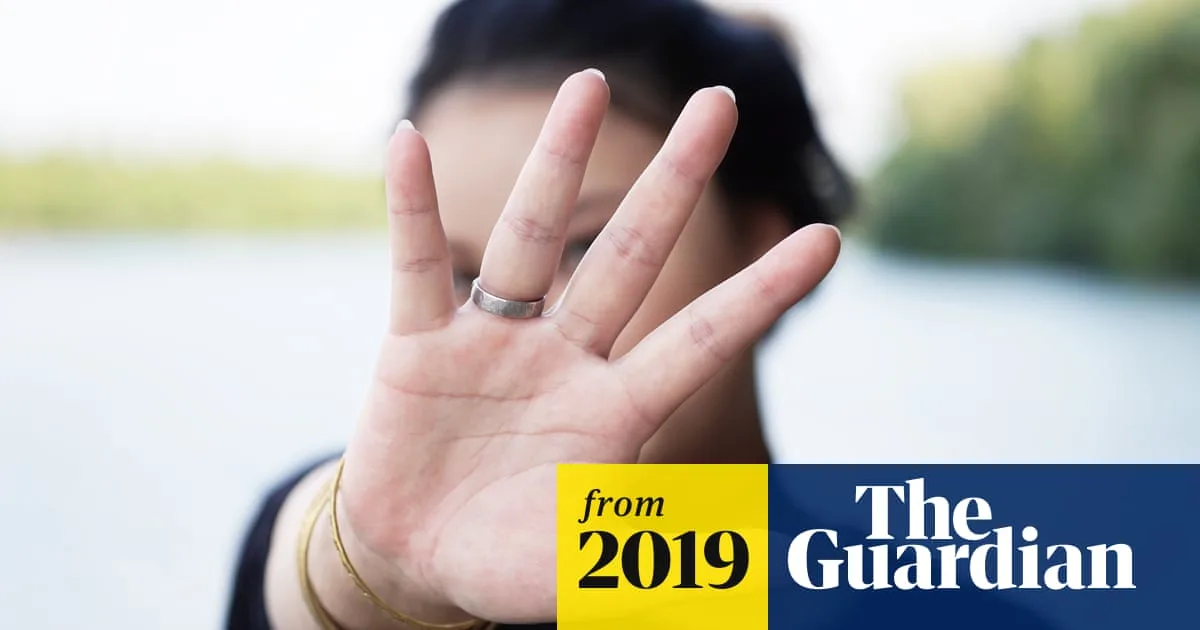
For those who deliberately avoid Facebook, the lack of control is even more pronounced. Unlike active users who can request removal of tagged photos, non-users remain unaware of their digital footprint until someone else mentions it. The only foolproof safeguard is to pre-emptively ask acquaintances not to include them in photographs—a practice that may seem extreme to younger generations.
Historically, it was common to request not to be photographed, especially during less flattering moments. This etiquette, now largely forgotten, offered a simple way to maintain control over one's image. The study serves as a reminder that the digital age demands a renewed emphasis on seeking permission before sharing others' photos online.