Influencers in the 'manosphere' are convincing healthy young men that they have low testosterone, leading to unnecessary testing and treatment, a new study has found. The research, published in the journal Social Science and Medicine, analysed 46 high-impact posts on TikTok and Instagram with a combined following of more than 6.8 million.
Lead author Emma Grundtvig Gram, a public health researcher at the University of Copenhagen, said influencers often framed normal variations in energy, mood or libido as signs of illness. 'This creates a sense of urgency for solutions, which in turn fuels lucrative markets for pharmaceuticals, supplements and medical devices, even in the absence of clear clinical benefit,' she said.
The study found that 72% of posts had financial interests, such as selling tests or supplements, and two-thirds included direct links or promo codes. Conflicts of interest were often not visible to users. The posts targeted younger, fit men and aligned with 'manosphere' ideologies promoting 'alpha men' as dominant and sexually successful.
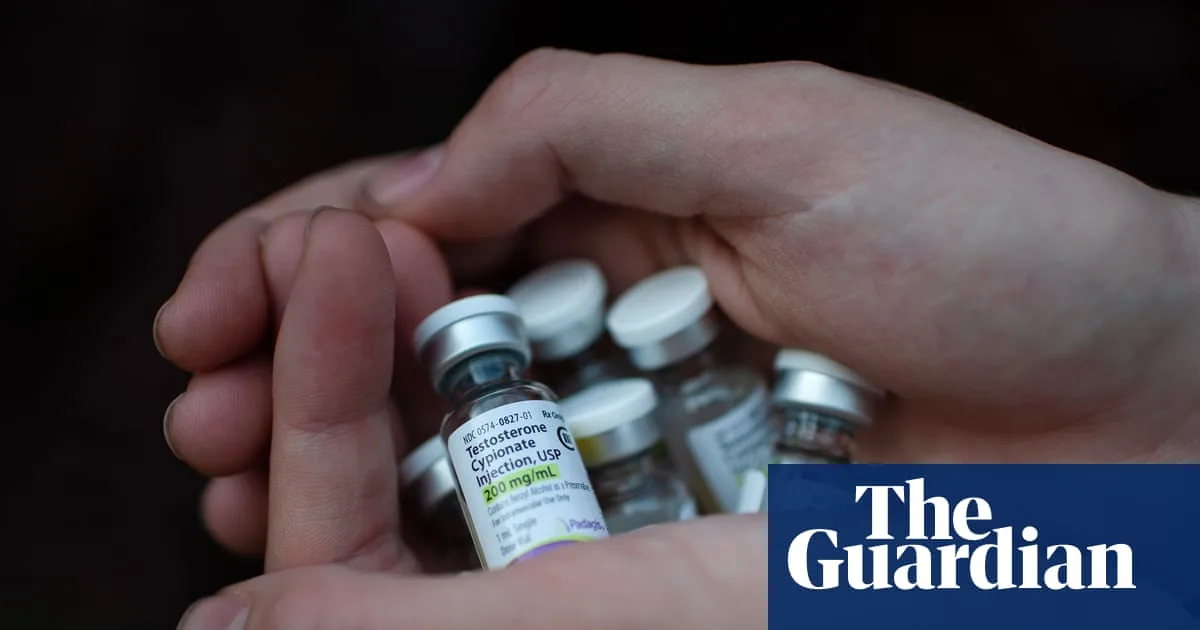
Professor Ada Cheung, an endocrinologist at the University of Melbourne, said routine screening for low testosterone in asymptomatic men is not supported by Australian guidelines. She warned of risks including infertility, cardiovascular issues and thickened blood from unnecessary treatment. 'It's not hard to get testosterone on the black market or on the internet or in gyms,' she added.
Professor Oliver Jones, a chemist at RMIT University, expressed concern about unqualified individuals spreading misinformation online to sell products. He noted that a single testosterone test provides limited information and should be interpreted by a doctor.