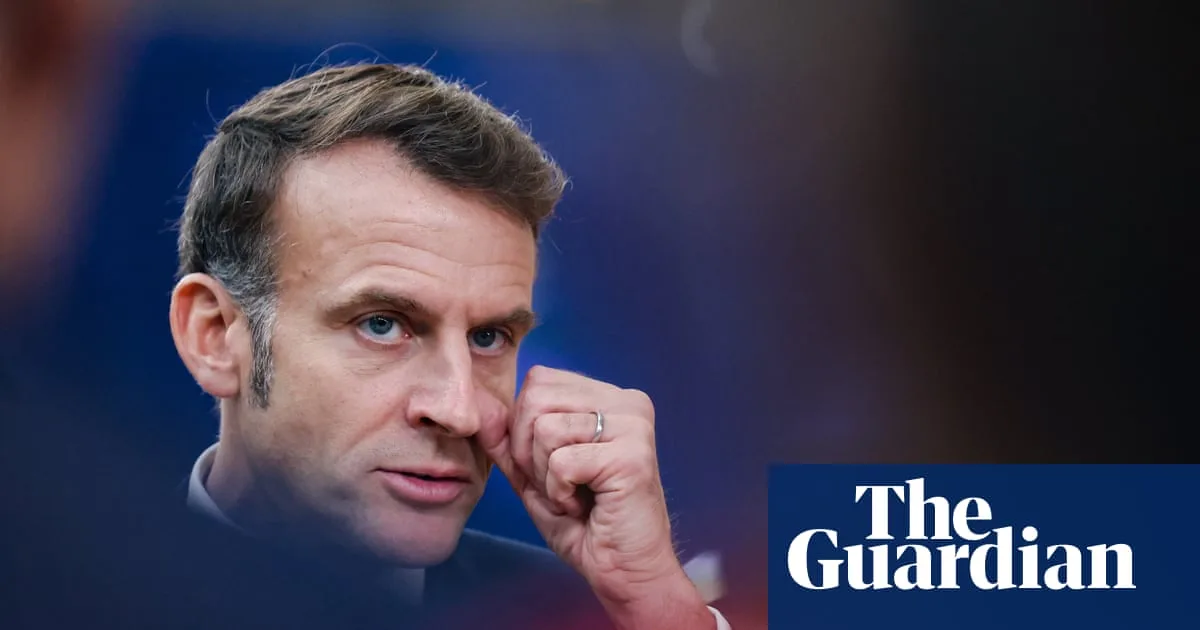
European leaders, including French President Emmanuel Macron, have condemned the United States after it imposed visa bans on five prominent European figures involved in regulating American tech companies. The bans, announced on Tuesday, target Thierry Breton, the former EU commissioner and architect of the Digital Services Act (DSA), along with four anti-disinformation campaigners from Germany and the UK.
US Secretary of State Marco Rubio justified the move on X, accusing European ideologues of organising efforts to coerce American platforms into punishing American viewpoints. He stated that the Trump administration would no longer tolerate what it called 'extraterritorial censorship'. The DSA, passed in 2022, requires large digital platforms to tackle illegal content, hate speech, and disinformation.
Macron responded furiously, describing the visa bans as 'intimidation and coercion' aimed at undermining European digital sovereignty. He emphasised that the EU's digital regulations were democratically adopted and apply only within Europe to ensure fair competition. The French foreign minister, Jean-Noël Barrot, added that European peoples are free and sovereign and cannot have their digital rules imposed by others.
Breton, a former French finance minister, questioned whether 'McCarthy’s witch-hunt' had returned, noting that 90% of the European parliament and all 27 member states unanimously voted for the DSA. EU Commission President Ursula von der Leyen defended freedom of speech as the foundation of European democracy, while a commission spokesperson warned of a 'swift and decisive' response to unjustified measures.
The UK government expressed its full commitment to upholding free speech. The row threatens to widen existing cultural and political conflicts between the Trump administration and Europe, with artificial intelligence and digital technologies expected to become a major theatre of confrontation.