Red Bull has removed its 'upside-down' rear wing for the Belgian Grand Prix amid safety concerns after Max Verstappen suffered two crashes in as many race weekends. The Dutch driver crashed during qualifying for the Austrian Grand Prix in late June and again at the British Grand Prix earlier this month. Verstappen attributed both incidents to a 'super dangerous' flaw in the rear wing design.
Verstappen's Safety Concerns
On both occasions, Red Bull's version of the 'macarena' rear wing—a design pioneered by Ferrari in pre-season testing—failed to close properly when entering high-speed corners. The resulting loss of downforce caused the car to spin off track. After the Silverstone crash, Verstappen made his frustration clear: 'It's super dangerous because you can really hurt yourself two times,' the four-time world champion fumed.
Red Bull's Response
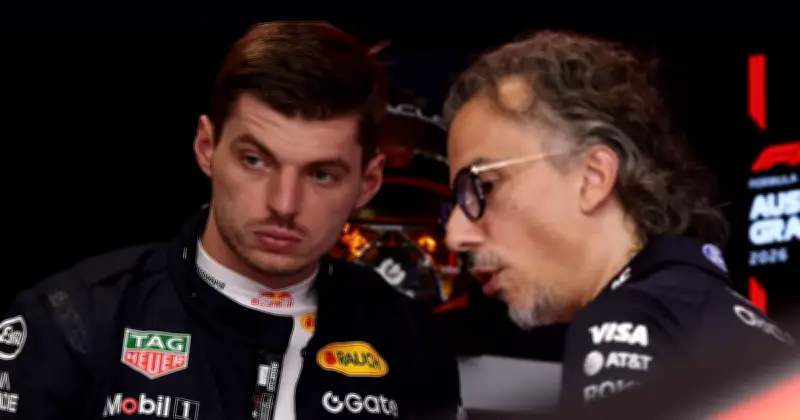
Team principal Laurent Mekies acknowledged the driver's concerns and pledged action. 'We will put in place what is necessary for it not to happen again,' Mekies said after the British Grand Prix. Red Bull subsequently held a filming day test at Silverstone last week, which helped the team pinpoint the exact problem. As a result, the team has opted to race with a more conventional rear wing at Spa-Francorchamps for the Belgian Grand Prix.
Future of the Design
The 'macarena' design could return at future race weekends once Red Bull is confident that a fix has been implemented. Ferrari debuted the unconventional design competitively at the Miami Grand Prix in May, and Red Bull soon followed. McLaren has also developed its own version but has yet to use it on a race weekend. Engineering technical director Neil Houldey explained: 'We managed to get it flown out but when it arrived, we did some further testing that we knew we had to do to sign it off before it was able to run. Unfortunately, it didn’t pass the tests we needed to complete, so we're sending it back and we're going to delay that.'
Broader Implications
The decision underscores the ongoing challenges teams face in balancing innovation with safety in Formula 1. As the championship battle heats up, teams must ensure their designs meet rigorous safety standards to protect drivers and maintain competitive integrity.