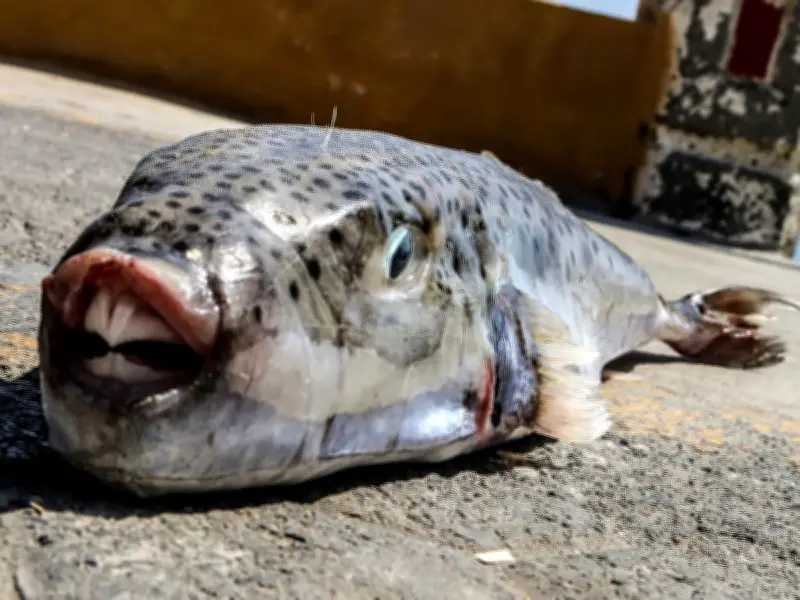
The silver-cheeked toadfish, a venomous invasive species capable of biting through human bone, is wreaking havoc on the Greek island of Crete, threatening both the local fishing industry and the wider economy. This pufferfish, native to the Indian and Pacific Oceans, has established a growing presence in the Mediterranean, where its deadly venom and powerful jaws are causing alarm among locals and tourists alike.
Deadly Venom and Bone-Crushing Jaws
The silver-cheeked toadfish is considered one of the most dangerous fish in the world. Its venom is so potent that marine biologists warn against touching it even with gloves. Skin contact can trigger sickness and respiratory issues. The fish's jaws are strong enough to bite through human bone, adding to the threat it poses to swimmers and fishermen.
Despite its origins in the Indian and Pacific Oceans, the species has increasingly been spotted in Mediterranean waters, where it is disrupting the fragile ecosystem. The invasive fish has been reported growing larger in the Mediterranean than in its native habitats, likely due to the colder water temperature, which reduces oxygen requirements and allows for greater growth. Specimens can reach up to 4 feet in length and weigh 20 pounds.
Economic Impact on Crete's Fishermen
The toadfish invasion is having a severe economic impact on Crete's self-employed fishermen. According to local fisherman Giorgos Kyriakak, the situation has become dire: "It's got to the point where we might go out fishing one day and then spend the next three days fixing our nets." Fishermen are losing up to 30% of their annual income, with vessels incurring costs of up to 20,000 euros per year due to lost catches and damaged nets.
The Greek government has responded by offering a bounty of up to 5.33 euros per kilogram (about £2 per pound) for caught toadfish, incentivizing fishermen to help control the population. However, experts warn that the toadfish population in the Mediterranean is likely to continue growing.
AI Videos Exaggerate the Threat
Fears have been fueled by fake AI-generated videos that exaggerate the toadfish's capabilities, showing the animals chomping on wood and cola cans. While these videos are not real, the actual threat posed by the fish is serious. The Hellenic Centre for Marine Research (HCMR) has urged calm, stating: "In general, to our fellow citizens, and to those who go to the sea or fish amateurishly this summer, we recommend calmness and caution."
Broader Implications for the Mediterranean
The invasion of the silver-cheeked toadfish is part of a broader trend of species migration into the Mediterranean, driven by climate change and human activity. The fish's presence disrupts local marine life and poses risks to tourism, a key sector for the Greek economy. Without effective control measures, the toadfish could become a permanent and costly fixture in the region.