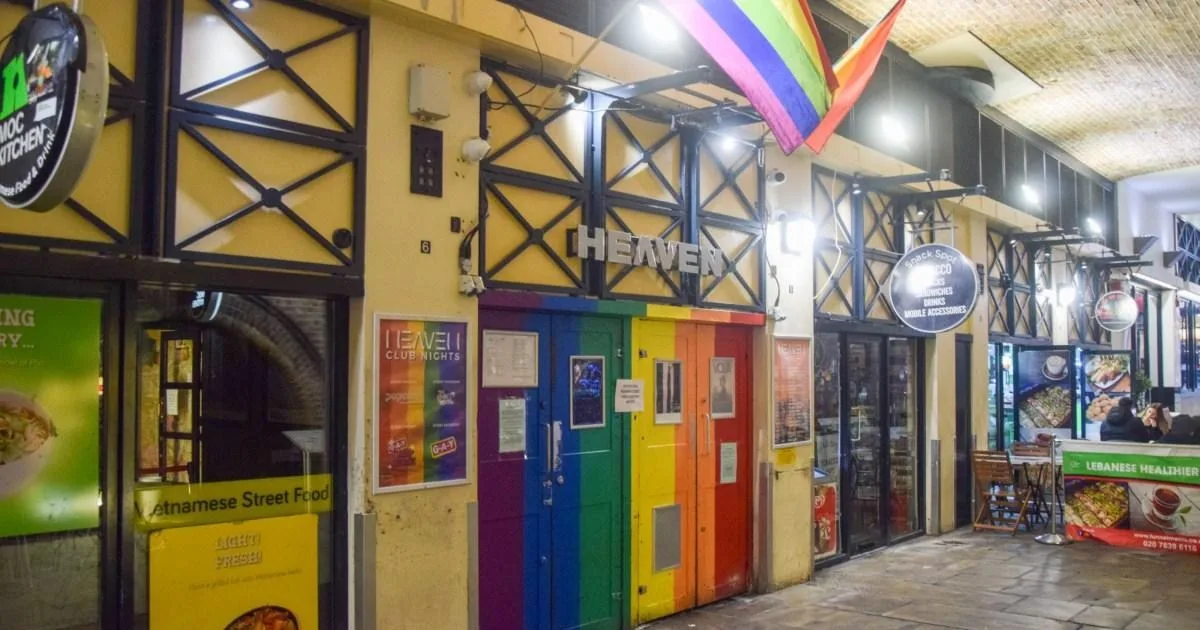
London Nightclub Targeted by AI-Generated Fake Complaints from Property CEO
Property Boss Used AI to Create Fake Complaints Against Nightclub

Property Executive Admits Using AI to Fabricate Complaints Against London Nightclub

A prominent LGBTQ+ nightclub in central London faced a serious threat to its existence after a property company chief executive employed artificial intelligence to generate fraudulent complaints from imaginary residents. The venue, Heaven, received approximately twenty letters calling for its permanent shutdown, all authored by fictitious individuals created through AI technology.

Guilty Plea and Legal Consequences

Aldo d'Aponte, the forty-seven-year-old CEO of Arbitrage Group Properties, pleaded guilty to submitting two counterfeit letters posing as his neighbours during a licensing review for Heaven nightclub. Westminster Magistrates' Court handed d'Aponte a twelve-month conditional discharge and ordered him to pay eighty-five pounds in costs plus a twenty-six-pound victim surcharge.

The executive admitted guilt under section 158 of the Licensing Act 2003, which prohibits knowingly or recklessly making false statements in connection with premises licence applications. This offence carries a maximum penalty of an unlimited fine.

Wide Pickt banner — collaborative shopping lists app for Telegram, phone mockup with grocery list

Background of the Licensing Dispute

The nightclub's operating licence was temporarily suspended in November 2024 following an unrelated allegation against a security staff member. A bouncer was accused of raping a nineteen-year-old woman in his vehicle after she was denied entry to a Halloween event. The employee was subsequently found not guilty of the alleged offence.

Heaven was permitted to reopen one month later after a council hearing and the implementation of enhanced security protocols and welfare policies. During this licensing review process, council officials received multiple letters from an encrypted email address expressing concerns about the venue's operations.

AI Detection Uncovers Deception

The unusual characteristics of these complaints prompted Philip Kolvin KC, a planning lawyer representing the nightclub pro bono, to analyse them using an AI detection tool. His investigation revealed that the supposed complainants did not actually exist and were not associated with the addresses provided in their correspondence.

Police investigators later traced two of the fraudulent letters to d'Aponte using Internet Protocol address data. The use of artificial intelligence in creating the complaints was not formally presented as evidence during court proceedings, and the Crown Prosecution Service did not rely on this aspect for their case.

Nightclub Owner's Response and Impact

Jeremy Joseph, the owner of Heaven nightclub, has publicly questioned the integrity of the licensing system, asking how fabricated complaints could be submitted so easily without proper verification. Although unable to read his victim impact statement in court due to the guilty plea, Joseph told Metro newspaper: 'What he has put us through was never made public; it was the worst time of my life.'

The owner added that the experience forced him to 'fight' for his business's survival against artificially manufactured opposition.

Defence Arguments and Community Tensions

Saba Naqshbandi KC, representing d'Aponte in court, described her client's actions as 'completely out of character' and characterized them as a 'foolish and desperate act.' She connected the incident to what the family described as 'constant nuisance' from the nightclub over an eight-year period.

D'Aponte and his husband had previously submitted legitimate complaints about noise from the venue, which they labelled a 'nuisance' given their window's proximity to the club entrance. In their official submission to Westminster City Council, they argued that the nightclub's operation was 'fundamentally at odds with family and community life in what is a residential neighbourhood.'

Aftermath and Calls for Coexistence

Following the court hearing, d'Aponte expressed regret for his actions and called upon the nightclub to 'take steps' to 'better coexist' with local residents. The case has highlighted vulnerabilities in licensing complaint verification processes and raised questions about the potential misuse of artificial intelligence in regulatory matters.

Pickt after-article banner — collaborative shopping lists app with family illustration

The Metropolitan Police and Westminster City Council have been approached for comment regarding their procedures for validating licensing complaints and preventing similar fraudulent activities in future cases.