Irish Deputy PM Demands Social Media Ban for Under-16s, Calls for End to 'Wild West' Era
Irish Deputy PM Demands Social Media Ban for Under-16s

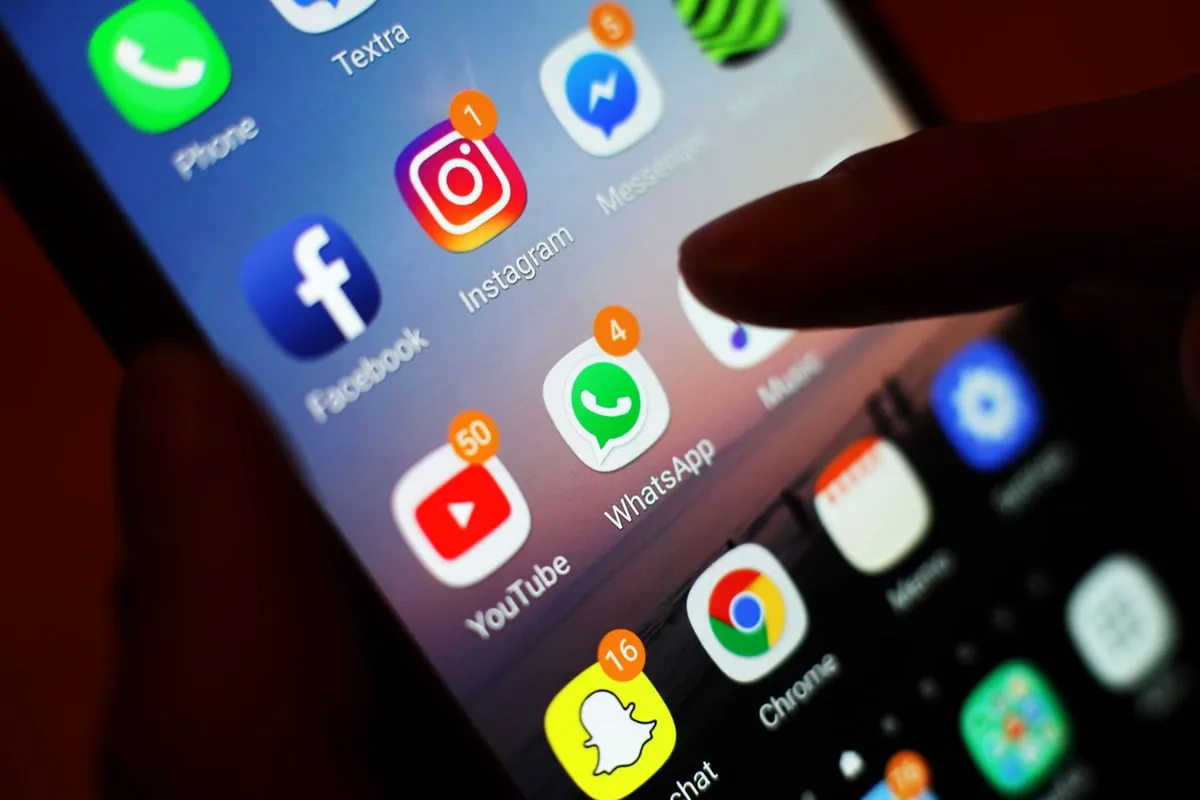
Ireland's Deputy Prime Minister has issued a stark call for a complete prohibition on social media access for children under the age of sixteen, declaring that the era of self-regulation for technology platforms must end.

Harris Demands 'Baring of Teeth' in Enforcement

Speaking on Virgin Media One's Ireland AM programme, Tanaiste Simon Harris stated unequivocally that the country needs to reach a definitive position where individuals below sixteen cannot use social media platforms. He emphasised that existing laws must be properly enforced with what he described as a necessary "baring of teeth" from regulatory authorities.

Legal Framework Already Exists

The Data Protection Act 2018 established the digital age of consent at sixteen years old across Ireland. This legislation mandates that online service providers, including major social media companies, must obtain parental consent before processing the personal data of children under this age threshold when consent serves as the legal basis for such processing.

"The era of self-regulation is now over," Mr Harris declared during his television appearance. "There are now laws. There are now fines that can be levied."

European Commission Investigation Cited

The Tanaiste pointed to recent regulatory actions, specifically noting that the European Commission has initiated an investigation into the artificial intelligence tool Grok this week. He argued this demonstrates increasing scrutiny of technology companies and should serve as a precedent for stronger enforcement regarding social media access.

"We need to actually see kind of a bit of baring of teeth here – there are actually laws, and they [social media companies] can't be above the law," Harris asserted. "This can't be the wild west anymore."

Age Verification Rollout Planned

Mr Harris revealed that the Irish government intends to begin implementing age verification measures by March, with some social media companies already expressing willingness to participate in this rollout. However, he made clear that verification systems represent only an initial step toward his ultimate objective.

"We're going to start by March asking social media companies – and some of them are up for this, by the way – to take part in the rollout of age verification," he explained. "But quite frankly, I believe we need to get to a point where if you're under the age of 16, you can't be on social media."

Call for Stricter National Measures

While acknowledging that progress is being made on enforcing existing digital consent regulations, Ireland's Deputy Prime Minister insisted that the country must implement more stringent measures. He stressed that simply having laws on the books is insufficient without rigorous enforcement mechanisms and a cultural shift in how social media companies operate regarding young users.

"I think we're going to have to go further in this country though," Harris stated. "We have a digital age of consent, that's 16. We have to start actually enforcing that, and there's good work being done on that."

The Tanaiste's comments represent one of the strongest positions yet taken by a senior European politician regarding social media access for minors, signalling potential significant policy changes ahead for Ireland's approach to digital regulation and child protection online.