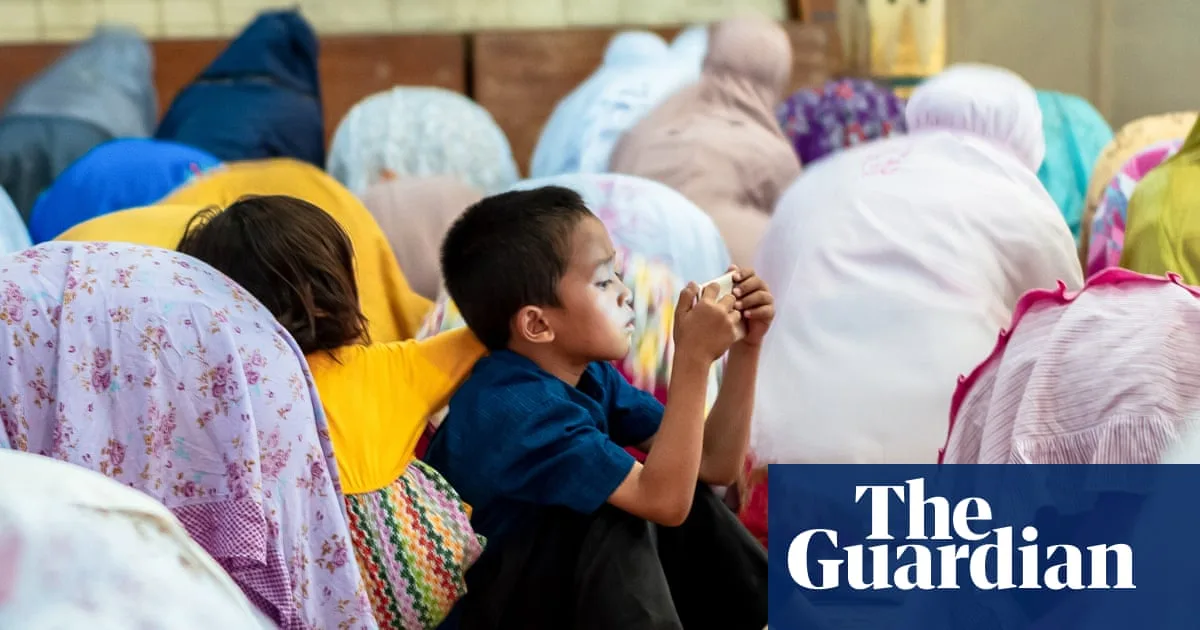
Indonesia has announced a groundbreaking policy to ban social media access for all children under the age of 16, positioning itself as the first Southeast Asian nation to implement such comprehensive digital restrictions for youth protection.
Minister Announces Sweeping Digital Protection Measures
Communication and Digital Affairs Minister Meutya Hafid confirmed the landmark decision on Friday, March 6, 2026, revealing she has signed a government regulation that will fundamentally alter how Indonesian children interact with digital platforms. The minister emphasized that this represents a crucial intervention in what she described as a "digital emergency" facing the nation's youth.
Platforms Affected and Implementation Timeline
The regulation specifically targets what authorities have classified as "high-risk digital platforms," including major social media networks and entertainment services. The comprehensive list encompasses YouTube, TikTok, Facebook, Instagram, Threads, X (formerly Twitter), Bigo Live, and the popular gaming platform Roblox.
Implementation will commence gradually from March 28, 2026, with full enforcement contingent upon platforms meeting compliance obligations. This phased approach acknowledges the technical and operational challenges involved in implementing such sweeping restrictions across multiple international platforms.
Rationale Behind the Protective Measures
Minister Hafid provided detailed justification for the unprecedented move, citing multiple threats facing Indonesian children in digital spaces. "The basis is clear. Our children face increasingly real threats," she stated, enumerating specific concerns including exposure to pornography, cyberbullying incidents, online fraud schemes, and what she identified as the most significant danger: digital addiction.
"The government is here so that parents no longer have to fight alone against the giant of algorithms," Hafid declared, framing the regulation as governmental support for parental efforts to protect children from sophisticated digital manipulation.
Government Acknowledges Initial Challenges
The minister demonstrated awareness of potential implementation difficulties, stating: "We realize that the implementation of this regulation may cause some discomfort at first. Children may complain and parents may be confused about how to respond to their children's complaints." This acknowledgment suggests authorities anticipate resistance from both children accustomed to social media access and parents navigating new digital boundaries.
Recent Regulatory Enforcement Actions
The announcement follows recent regulatory actions against major technology companies. Earlier in the week, Indonesia's Ministry of Communication and Digital Affairs conducted a surprise inspection of Meta Platforms' Jakarta office, expressing concerns about inadequate handling of harmful content across Facebook, Instagram, and WhatsApp.
Following this inspection, authorities issued a stern warning regarding what they characterized as Meta's "low level of compliance with national regulations," indicating growing governmental impatience with perceived corporate resistance to Indonesian digital safety standards.
International Context and Corporate Response
Indonesia's move places it among a small group of nations implementing age-based social media restrictions. Australia pioneered similar measures in December 2025, where social media companies reportedly revoked access to approximately 4.7 million accounts identified as belonging to children.
The Associated Press has sought responses from both TikTok and Meta regarding Indonesia's new regulations, but neither company had provided official comments at the time of the announcement. This corporate silence highlights the ongoing tension between national regulatory initiatives and global platform operations.
Sovereignty and Future Protection
Minister Hafid framed the regulation as part of a broader effort to "reclaim sovereignty over children's futures," suggesting that unrestricted digital access represents a form of external influence that requires governmental intervention. This language positions the policy not merely as child protection but as an assertion of national digital autonomy.
The Indonesian approach represents one of the most comprehensive youth digital protection frameworks implemented globally, potentially serving as a model for other nations grappling with similar concerns about children's online safety and wellbeing in increasingly digital societies.