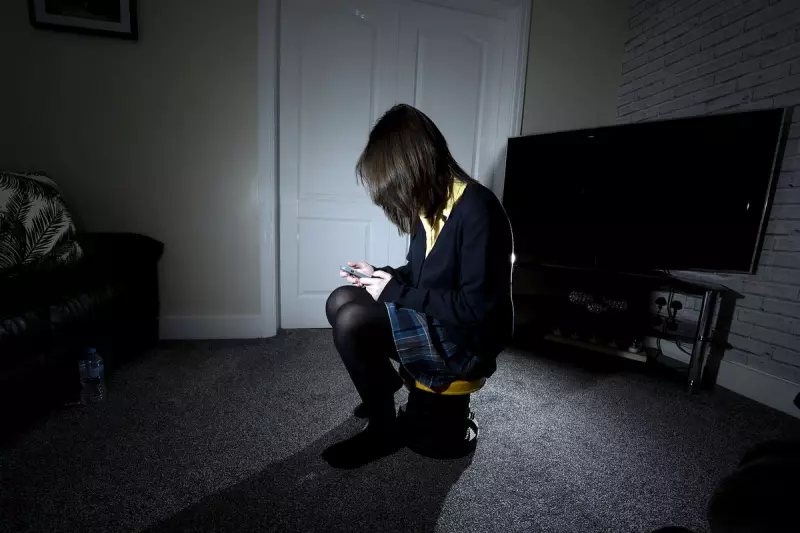
Denmark has reached a landmark political agreement to ban social media access for all children under the age of 15, marking one of the most aggressive stances taken by a European nation to shield young people from the digital world's pervasive dangers.
A New Front in Child Protection
The proposed legislation, announced by Denmark's Minister for Digital Affairs, Caroline Stage, is designed to intensify pressure on major technology platforms. It comes amid escalating global concern over the harmful content and commercial exploitation targeting young users. While parents would retain the ability to grant access to 13 and 14-year-olds following a specific assessment, significant questions regarding the practical enforcement of such a sweeping ban remain unanswered.
Minister Stage revealed the shocking prevalence of social media among Danish youth, stating that 94 per cent of children under 13 and more than half of those under 10 already maintain profiles on at least one platform. "The amount of time they spend online — the amount of violence, self-harm that they are exposed to online — is simply too great a risk for our children," she asserted.
The Challenge of Enforcement and Tech Giant Accountability
Officials did not immediately clarify how the ban would be policed in a world where millions of children have easy access to screens. However, Denmark plans to leverage its national electronic ID system, which nearly all citizens over 13 possess, by developing an age-verification app. Several other EU countries are testing similar technologies.
Stage was unequivocal in her criticism of tech companies, which already impose age restrictions that are widely circumvented. "They have an absurd amount of money available, but they’re simply not willing to invest in the safety of our children," she said. The minister confirmed that Denmark would force platforms to implement proper age verification, with the threat of fines up to 6 per cent of their global income through EU mechanisms if they fail to comply.
A Global Movement and Deliberate Legislation
This move places Denmark at the forefront of a growing international trend. It follows Australia's decision in December to enact the world's first such ban, setting the minimum age at 16 and introducing fines of up to 50 million Australian dollars for non-compliant platforms.
Despite the urgency, Stage emphasised that Denmark would not rush the process. Allied lawmakers from across the political spectrum, who form a parliamentary majority, will likely take months to draft and pass the relevant legislation. "I can assure you that Denmark will hurry, but we won’t do it too quickly because we need to make sure that the regulation is right and that there are no loopholes for the tech giants to go through," Stage explained.
The Danish ministry highlighted the profound impact on young people, whose "sleep [is] disrupted, lose their peace and concentration, and experience increasing pressure from digital relationships where adults are not always present." This initiative, Stage concluded, is a necessary step after giving tech giants numerous chances to act. "So now we will take over the steering wheel and make sure that our children’s futures are safe."