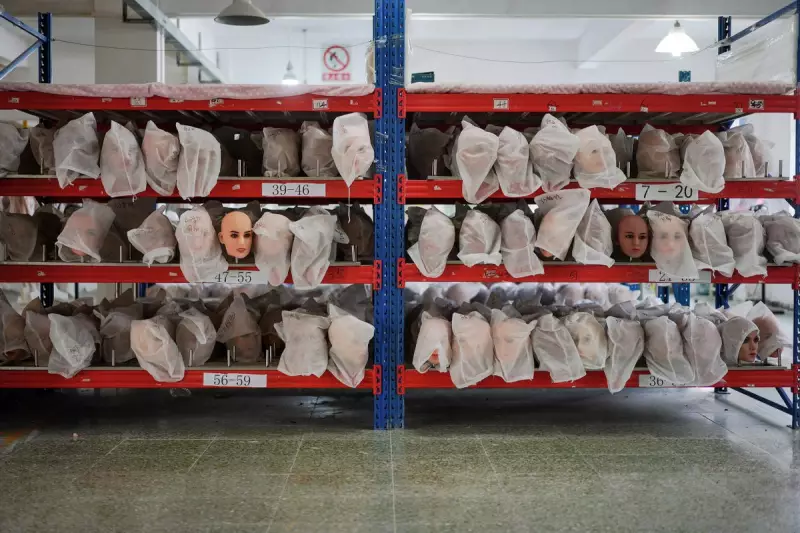
Authorities in China have ordered a sex toy manufacturer to suspend operations following a formal investigation into allegations it was producing dolls that resemble children.
Factory Shutdown and Global Scrutiny
The factory, located in southern China's Guangdong province, was reportedly one of several under scrutiny for making customisable dolls with what state media described as "childlike pornography characteristics." The dolls, which customers could personalise via online platforms, had appeared on major e-commerce websites and social media marketplaces before triggering alarm among international regulators and child protection advocates.
According to the state publication The Paper, Chinese officials are treating the matter with "great importance." The controversy gained significant momentum in November following a Reuters investigation into AliExpress, an online retail platform owned by Alibaba.

Online Retailers Under Fire
The backlash has ensnared several major online marketplaces. In November, fast-fashion giant Shein removed all sex dolls from its platform after criticism over listings resembling children. The company stated it had strengthened its keyword blacklist to prevent sellers from circumventing restrictions.
French authorities launched an investigation into AliExpress, while Sweden's social services minister, Camilla Waltersson Gronvall, warned she was prepared to legislate if companies did not take adequate action. "If we see that this evolution does not happen, or is not enough, the government will not hesitate to legislate different means," she told AFP.
Reuters identified four doll listings resembling minors on sale in Europe and the US, even after French prosecutors had announced probes. AliExpress initially classified the items as rigid "anime dolls" but later permanently banned the seller for dishonesty.
Regulatory Crackdown Intensifies
This dispute unfolds as regulators globally tighten oversight of digital marketplaces. Under Europe's Digital Services Act, companies like Shein, Temu, and AliExpress, classified as "Very Large Online Platforms," face enhanced legal duties to police illegal and harmful products.
European lawmakers have recently voted for a resolution urging stronger enforcement mechanisms, explicitly naming child-like sex dolls as a key concern. Lawyers reviewing promotional images noted features commonly associated with child sexualisation, such as school uniforms and baby-like facial expressions.
AliExpress has since stated it is enhancing third-party monitoring and reaffirmed that its policies prohibit "any items depicting or suggestive of sex involving minors." The global scrutiny highlights the escalating pressure on tech giants to effectively police their vast platforms.