Inside Iran's Internet Blackout: Citizens Risk All to Share Life Under Ceasefire
On the 50th day of a nationwide internet blackout, Iranians living under the constant surveillance of the Islamic Revolutionary Guard Corps (IRGC) have taken immense personal risks to communicate with the outside world. In exclusive interviews with Maira Butt and Moha Tahery, residents described their everyday realities amid a brutal government crackdown, ongoing regional conflict, and a deepening economic crisis. These rare testimonies, shared via smuggled messages and coded voice notes, paint a vivid picture of a population exhausted, fearful, and isolated.
Fear and Relief in the Dead of Night
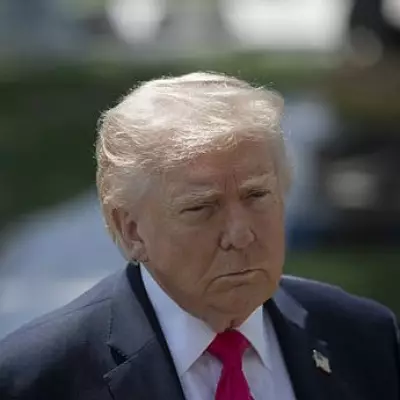
Zahra*, a mother in Iran, woke suddenly at 3:30 AM on April 8, just before a ceasefire was announced. The hum of electricity in her home brought a momentary wave of relief. "Thank god," she said. "The power hasn't gone out." This sound signified that former US President Donald Trump's unprecedented threat to destroy Iranian civilization had not yet materialized in bombings. However, this relief was instantly replaced by a chilling dread. "On the one hand, I was happy they hadn't hit the power plants, but immediately after that happiness there was a strange fear. A kind of freezing feeling took over me," she told The Independent. "What is going to happen to us now in their [the Islamic Republic's] hands? It felt like that fear quickly erased the joy."
Life Cut Off from the World
As a fragile US-Iran ceasefire approaches its potential end and diplomatic talks focus on the Strait of Hormuz, Iranians mark 50 days severed from the global internet. News now filters to the West through perilous, clandestine channels. The Iranian government enforces a severe crackdown on dissent, executing dissidents and arresting thousands, creating the most hostile climate of suspicion in years. All testimonies were shared under the looming threat of IRGC surveillance and violent reprisals.

"In the beginning, connecting to the internet was something we did with fear and trembling, buying small amounts — around one or two gigabytes," Zahra continued. "The three of us [in our family] would connect together… enough for just one or two text messages on Telegram and reading a few tweets, and then that connection link would be cut off. All of us received messages from the IRGC Intelligence Organization saying that you are under surveillance because you have gone online."
Mixed Emotions and Propaganda Tools
The announcement of a 14-day Pakistan-brokered ceasefire elicited complex emotions across Iran. While grateful for a respite from shelling anxiety, many were consumed by terror about an unchanged future. Zahra described her sister's physical shock upon hearing the news, while their 73-year-old mother celebrated. Even among regime supporters, feelings are divided. One supporter with children in the Basij paramilitary was reportedly "very happy," while over 100 members of Zahra's extended family remained frightened.
Iranians have developed innovative, costly methods to stay connected, using Starlink and countless VPNs to pay extortionate prices for mere gigabytes of data. Zahra and others used this limited access to send messages to London at great risk. Meanwhile, so-called "white SIM cards" (dubbed "bloody SIMs" by opponents) are available to about 200,000 people but function as "instruments of propaganda," according to Zahra.
Economic Devastation and False Narratives
Proponents of the blackout argue that domestic services like banking, healthcare, medication networks, and shopping apps function smoothly, and education continues largely online. "According to them, we have no problem whatsoever in terms of the internet because healthcare systems, banking, shopping, and education are functioning," Zahra says. "But, the internet is something that is connected to the whole world, and you cannot make this argument or offer this justification that we have no problems just because some things are functioning."

In reality, the lack of internet access is crippling the economy. Iran's most widely-read newspaper reported losses of $1.3 billion already. Groceries are difficult to purchase, layoffs are widespread, and Iranian state media estimates rebuilding costs exceeding $270 billion, though analysts deem accurate estimation currently impossible. "When they say shopping works, they are completely lying," Zahra asserts. "Shopping depends largely on searching with Google. We usually don't know the address of a store and we use Google search to find what we need and compare prices."
Voices of Despair and Defiance
Reza* spent days preparing for a blackout after Trump's threats to destroy Iran's infrastructure. "I felt a bit relieved," he said. "I was worried that attacks on infrastructure would seriously disrupt daily life." Yet, like Zahra, fear followed. "I'm concerned that an agreement might be reached without considering the people of Iran, one that further restricts their freedoms and normal life." He added that most people around him feel "down and discouraged," worried the war might end without meaningful improvement.
Speaking via voice note, Reza emphasized that beyond nuclear and Strait of Hormuz discussions, negotiations must include "human rights, civil liberties and guaranteed free communication with the rest of the world." He is discouraged by the "maximalist demands" on both sides.
Amir*, a medical professional, said people fear what the regime could become post-war without fundamental change. "Internet would be gone, as it is, and there would be less freedom of everything," he warned. "We will suffocate."
Education, Inflation, and Street Life
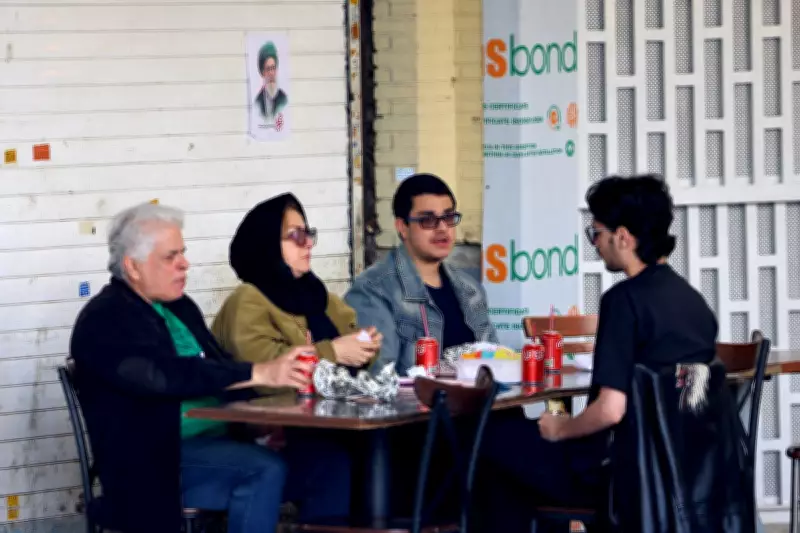
A member of the Iranian diaspora abroad, in touch with family, reported that education has moved fully online using domestic internet, eliminating the need to leave home. However, they relayed that "inflation has surged, prices have skyrocketed and basic goods are beyond reach for many." Many have lost jobs, especially in the private sector with factory layoffs. Bombardments near schools caused fear, and while streets have "come alive again" post-ceasefire, a family member expressed deep worry: "Now that the ceasefire has been imposed, more people are getting out into the streets, but we are really worried about what's going to happen next."
A Population in Limbo
Omid*, a young man in Tehran, encapsulates the national mood with "mixed" feelings. "On the one hand, the ceasefire removed the immediate threat of military strikes and bombings, which brought a sense of safety and the possibility of starting over," he says. "On the other hand, the current regime in Iran has not made any meaningful change, not even a minimal one that would benefit the Iranian people, and the situation may have become even more difficult."
There is a widespread perception that any temporary agreement will see "conditions in the region will once again change in line with Israel's will." Iran insists Lebanon be included in any long-term deal, while Israeli Prime Minister Benjamin Netanyahu remains committed to defeating Hezbollah. Omid notes the population is divided: some wait anxiously for news war won't resume, others mourn civilian deaths and infrastructure destruction, and a few still hope conflict resumes to collapse the ruling system.
* Names have been changed to protect identities.