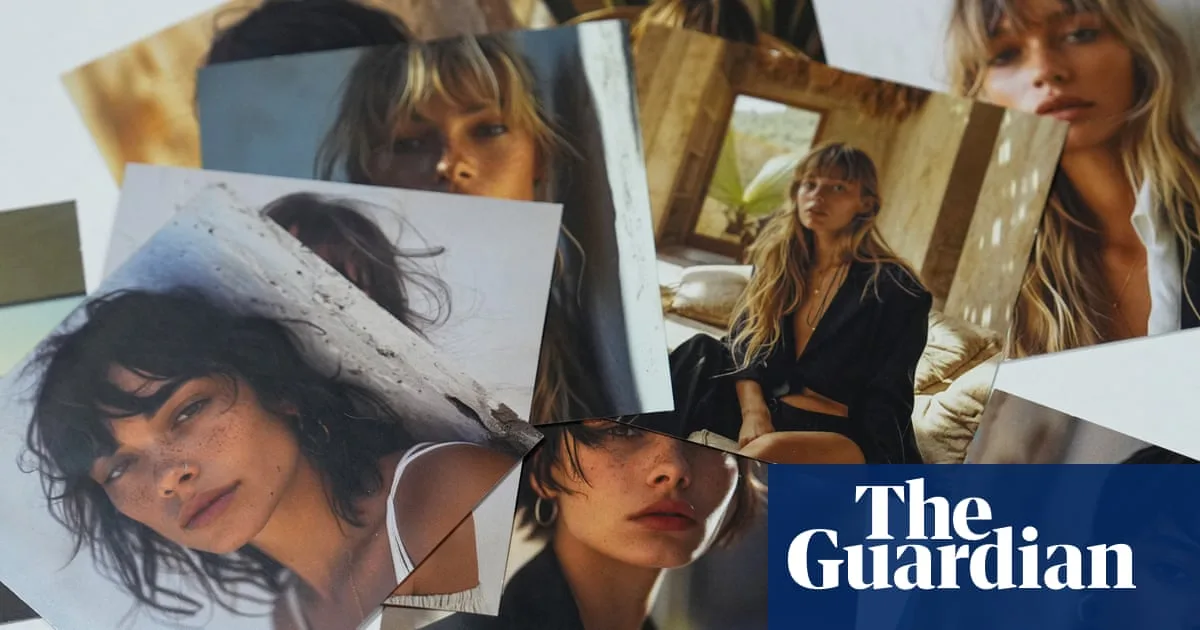
H&M has announced it will create AI 'twins' of 30 models for use in social media and marketing imagery, with the models' permission. The retail giant's chief creative officer, Jörgen Andersson, described the move as enhancing the creative process without changing the company's human-centric approach. Models such as Vilma Sjöberg and Mathilda Gvarliani have taken part, with Gvarliani calling her replica 'like me, without the jet-lag'.
The news has alarmed the fashion industry, echoing Hollywood's concerns over AI. Bectu, the creative industries union, warned that even with compensation, AI could harm other workers such as make-up artists and lighting technicians. A Bectu survey found 54% of workers believe AI will negatively impact fashion.
Model advocates question fair compensation. Sara Ziff of the Model Alliance said: 'What does fair compensation for a digital twin look like?' H&M stated models would be paid per use, with fees negotiated through their agencies. Sinead Bovell, a model and tech educator, highlighted risks of exploitation, noting that consent for one use could inadvertently accelerate automation.
Regulation is emerging. The Model Alliance's Fashion Workers' Act, effective June in New York, requires consent for AI use. The EU's AI Act, due in 2026, will mandate labelling of AI images. H&M said it would watermark such images.
While high-profile models may earn millions, casting agent Chloe Rosolek warned that AI threatens those in e-commerce shoots, who already face job losses. Agent Ingo Nolden agreed, citing erosion of entry-level work. He negotiated an AI deal for a model in 2023.