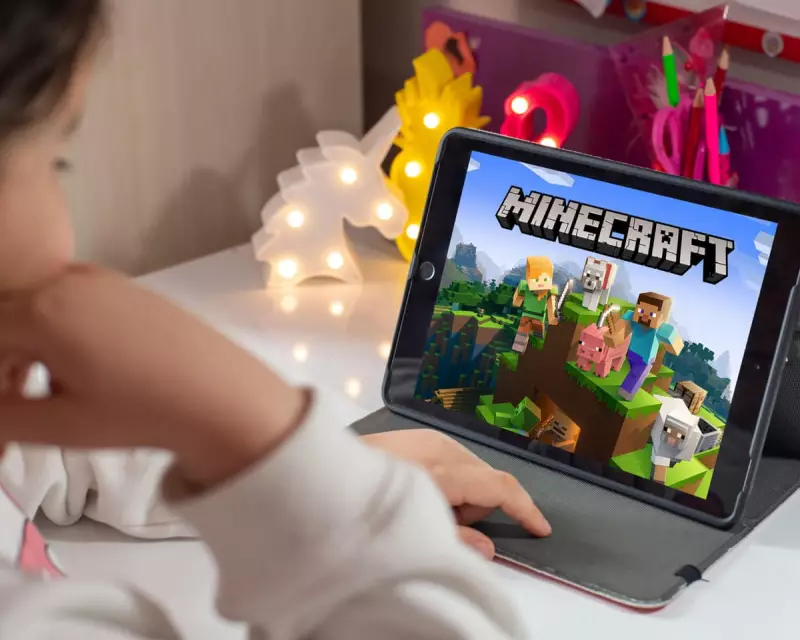
The digital playgrounds of popular games like Minecraft, Roblox, and Fortnite are increasingly powered by their own forms of money. These virtual currencies, such as Minecoins and Robux, have become a central part of the gaming experience for millions of children, creating a booming economy that exists entirely online.
Understanding the Virtual Cash Economy
These in-game currencies allow players to purchase cosmetic items, special abilities, or new experiences within their favourite titles. For instance, Minecoins are used in the Minecraft Marketplace to buy skins, worlds, and texture packs created by the community. Similarly, Robux is the lifeblood of the Roblox platform, enabling users to acquire avatar accessories and access a vast array of user-generated games.
The model represents a significant shift from traditional one-off game purchases. Instead, it fosters a continuous cycle of microtransactions. Players, often children and teenagers, spend real money to acquire virtual cash, which is then spent on digital goods that hold no physical form. This has turned gaming giants into financial powerhouses, with these economies generating substantial revenue.

The Practical and Ethical Considerations for Families
For parents, this new landscape presents unique challenges. The seamless nature of spending—where a few clicks can convert pounds into Robux or Minecoins—can make it difficult for younger players to grasp the real-world value of money. Accidental or unauthorised purchases have become a common concern in households across the UK.
Financial and consumer experts advise proactive management. They recommend utilising parental controls available on all major gaming consoles, computers, and mobile devices. These controls can restrict spending, require password approval for every transaction, or disable in-game purchases entirely. Furthermore, having open conversations with children about digital spending is now as crucial as discussing pocket money.
Looking Ahead: The Future of Digital Value
The rise of these closed-loop currencies raises broader questions about value, ownership, and economics in digital spaces. While they are not cryptocurrencies like Bitcoin—being centrally controlled by the game companies and non-transferable—they normalise the concept of digital-only financial transactions for a generation.
As these virtual economies continue to grow, they underscore the importance of digital literacy for young consumers. Understanding the difference between virtual and real currency, recognising persuasive design in games, and managing a digital budget are becoming essential life skills. The landscape of play and commerce has irrevocably merged, making informed participation key for the gamers of today and tomorrow.