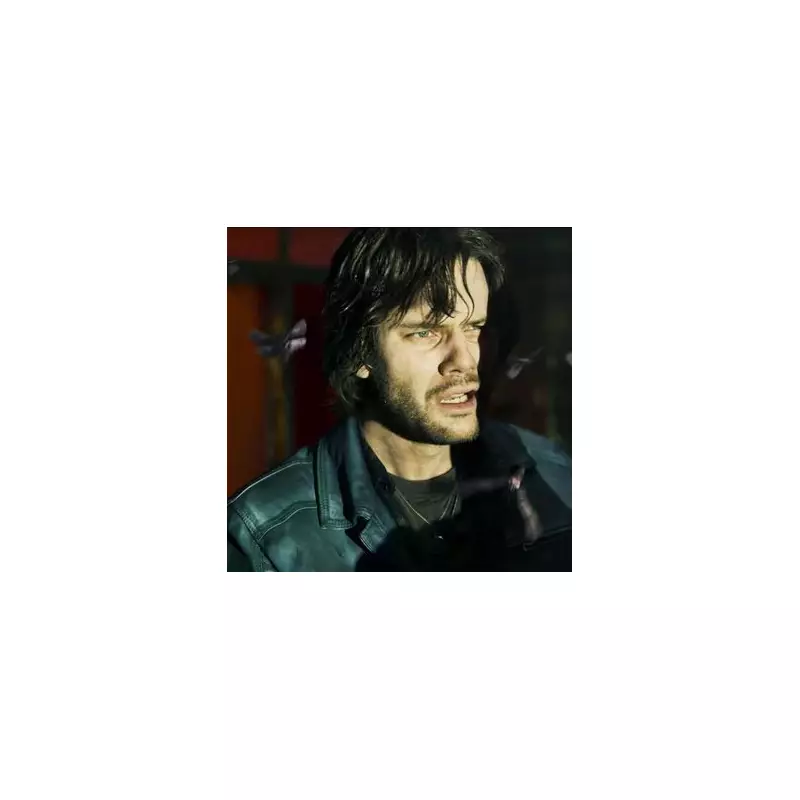
The latest cinematic attempt to bring a beloved horror gaming franchise to the big screen has ignited a firestorm of criticism, with devoted fans of Silent Hill 2 expressing profound disappointment and anger. Return to Silent Hill, a new film loosely inspired by the iconic second instalment of the game series, has been met with a wave of negative reactions from both audiences and professional reviewers alike, many of whom claim it fundamentally misunderstands and damages the source material.
Fan Outrage Over 'Butchered' Adaptation
Since its premiere in US cinemas on January 23, the film has faced intense scrutiny from the gaming community. On platforms like Reddit, fans have been vocal in their condemnation, with one user stating the movie "s**** all over the og game" and another branding it "straight up unwatchable". A common sentiment among critics is that director Christophe Gans, who also helmed the 2006 Silent Hill film, appears to prioritise a generic spooky aesthetic over the nuanced psychological horror that defines the original game.
Critical Reception and Metacritic Scores
The professional critical consensus has largely mirrored the fan backlash. On Metacritic, the film has achieved a meagre score of 33, with a slightly higher but still poor audience rating of 4.4 out of 10. Publications have been scathing in their assessments; Total Film criticised the movie for its "confusing plot, mediocre visual effects, and over-the-top acting", while Collider delivered a particularly harsh verdict, labelling it "an ugly, laughable adaptation" that fails to capture the game's essence.

Collider's review elaborated further, noting: "With bad direction, terrible acting, and a world that has no weight behind it (especially since most of it was clearly made in a computer), this isn't the way to bring Silent Hill 2 to the big screen. This powerful survival horror story has been turned into an ugly, laughable adaptation that proves that maybe we should've never gone back to Silent Hill."
Diverging Opinions and Nuanced Perspectives
However, not all responses have been uniformly negative. The British publication Little White Lies offered a more favourable perspective, awarding the film 70 out of 100. Their review suggested that the movie's awkward performances somehow emulate the game's distinctive, unnatural voice acting, contributing to an uncanny, dreamlike atmosphere reminiscent of the original PlayStation 2 experience.
Despite this isolated positive note, the overwhelming reaction highlights a broader issue within the film industry's approach to video game adaptations. As one Reddit contributor lamented: "Video game adaptations are never one-to-one but for f**** sake respect the source material. I get you wanna add your style/take on it but RTSH is downright insultingly bad on every level." This sentiment underscores a growing frustration among fans who feel that cinematic interpretations often fail to honour the intricate narratives and atmospheric depth that make games like Silent Hill 2 so revered.
The Legacy of Silent Hill and Future Implications
Silent Hill 2 is widely regarded as a masterpiece of the horror genre, renowned for its psychological complexity, haunting soundtrack, and deeply unsettling themes. The game's devoted following has high expectations for any adaptation, making the negative reception to Return to Silent Hill particularly impactful. The film's scheduled release in France next month will likely face similar scrutiny, as international audiences weigh in on its merits and failures.
This incident raises important questions about the challenges of translating interactive media into passive cinematic experiences. While some fans acknowledge that adaptations require creative liberties, the core complaint remains that this latest effort lacks both fidelity to the source and quality as a standalone film. As the debate continues, it serves as a cautionary tale for filmmakers attempting to bridge the gap between gaming and cinema, emphasising the need for greater respect and understanding of the original material's unique appeal.