Installing a security camera is an effective way to protect your home, but choosing the wrong location can lead to privacy issues or reduce the camera's effectiveness. Experts advise avoiding certain spots to ensure compliance with UK law and to maintain good neighbourly relations.
First, never install cameras in bathrooms or bedrooms, as this violates privacy. In shared properties like house-shares, you must obtain consent from all tenants before placing cameras in communal areas such as hallways. The camera owner is responsible for how footage is used, stored, and deleted.
Outdoors, avoid pointing cameras at neighbours' gardens, windows, or open doors. If unavoidable—for example, with a video doorbell—use privacy zones in the camera's app to block out neighbouring properties. Similarly, ensure cameras do not capture public spaces unnecessarily, as this could breach data protection rules.
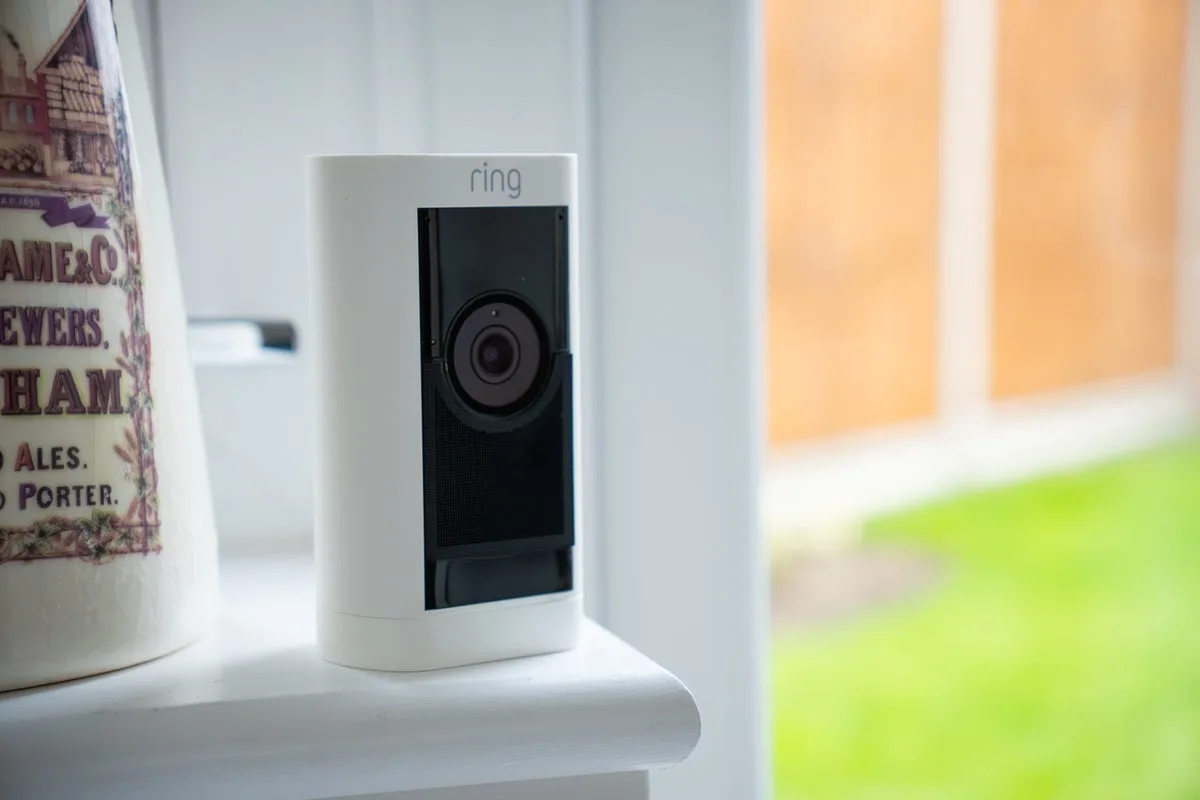
Mount outdoor cameras high up and out of reach to prevent theft. Cameras recording to the cloud or a base station are less vulnerable, but those with local storage could lose crucial evidence if stolen. Avoid placing cameras near window ledges, as infrared night vision can be disrupted by close objects, creating a bright white glare that obscures the view.
Indoor cameras should not be placed where they can see into bathrooms, even through doorways or windows. While monitoring a young child's bedroom with a baby monitor is acceptable, general bedroom surveillance is not recommended. In your own home, communal areas like hallways are fine, but always consider the privacy of others.
Finally, remember that security cameras are not locked in place; a thief with a screwdriver could remove them. Position cameras near upstairs windows for easy battery charging, but ensure they are not easily accessible from the ground. Following these guidelines helps protect your home without infringing on others' privacy.