Former Sony CEO Exposes Internal Turmoil Following Catastrophic 2014 Cyberattack
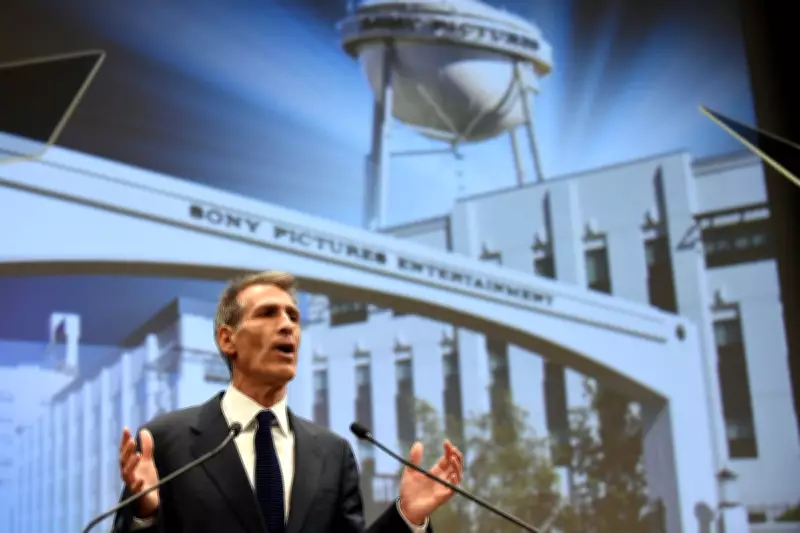
Michael Lynton, the former chief executive officer of Sony Entertainment, has unveiled startling behind-the-scenes revelations about the infamous 2014 cyberhack attributed to North Korean operatives. In an exclusive excerpt from his forthcoming memoir, From Mistakes to Meaning: Owning Your Past So It Doesn’t Own You, published by the Wall Street Journal, Lynton provides a candid account of the security breach that crippled the studio and exposed sensitive employee data.
The Day Everything Changed: November 24, 2014
Lynton recounts receiving an urgent telephone call from another executive alerting him to critical IT failures at Sony's headquarters. Upon arriving at the studio, he discovered the sheer scale of the devastation: approximately seventy percent of the corporation's servers had been irreparably damaged by malicious software.
"Sony could not make, edit or release movies, use its email or access its financial records or production systems," Lynton wrote in his book. "Over the next few days and weeks the situation only worsened as the hackers released stolen emails that revealed terrible judgment, confidential scripts and personal information—including my family’s."

The Provocative Film That Triggered International Retaliation
Lynton identifies his snap decision to approve production of The Interview, a Seth Rogen and James Franco comedy depicting journalists assassinating North Korea's leader, as "the biggest mistake of my career." He believes this controversial project directly provoked Pyongyang to orchestrate the sophisticated cyber assault against Sony's digital infrastructure.
The former CEO describes how competitive pressures and personal insecurities influenced his judgment. A two-decade rivalry between Sony co-chair Amy Pascal and Universal Studios chairwoman Stacey Snider created an environment where Rogen's projects were highly sought after, regardless of content.
"I threw out all of our normal, careful approval processes and found myself agreeing," Lynton confessed. "We rushed into the decision giddy about the project, thrilled to have outflanked our competition at Universal Studios and, alas, oblivious to the potential ramifications."
Personal Motivations and Professional Consequences
Lynton traces his susceptibility to poor decision-making back to childhood experiences, including his family's relocation to Holland when he was nine years old. He felt perpetually excluded from social circles, a pattern that continued into his Hollywood career where he sought acceptance from actors and veteran executives.
"Perhaps that’s what left me so vulnerable and explains why, when I found myself deciding on a Seth Rogen project, I made the biggest mistake of my career," he reflects. "Just for a moment, I wanted to join the badass gang that made subversive movies. For a moment, I wanted to hang—as an equal—with the actors."
The Aftermath: Leaked Data and Industry Abandonment
The cyberattack's consequences escalated dramatically when hackers established a website encouraging visitors to type "DIE SONY" to access stolen materials. This digital treasure trove included:
- Private employee health records and Social Security numbers
- Pirated versions of upcoming films like The Karate Kid
- Confidential scripts for major productions including a James Bond movie
- Personal family information belonging to Lynton himself
Lynton expressed particular frustration with media outlets and WikiLeaks founder Julian Assange for amplifying the leaked emails' visibility, though he acknowledged limited anger toward North Korea. "On the assumption that if you kick the hornet’s nest and get stung, you can’t really blame the hornets," he reasoned.
Despite initial enthusiasm from actors and filmmakers for releasing The Interview despite North Korean threats, Lynton noted that Hollywood support evaporated following the leaks. "The only person I remember being brave enough to speak out publicly on our behalf was George Clooney," he revealed.

Legacy and Lessons Learned
The hack's repercussions reshaped Sony's leadership landscape. Amy Pascal resigned as co-chairperson the following year, while Lynton remained with the corporation until 2017. He currently serves as chairman of both Snap Inc. (parent company of Snapchat) and Warner Music Group Corporation.
Lynton's memoir presents the Sony cyberhack as a cautionary tale about the intersection of personal psychology, corporate decision-making, and international cybersecurity threats. His account underscores how seemingly isolated entertainment industry choices can trigger geopolitical consequences with lasting professional and personal impacts.