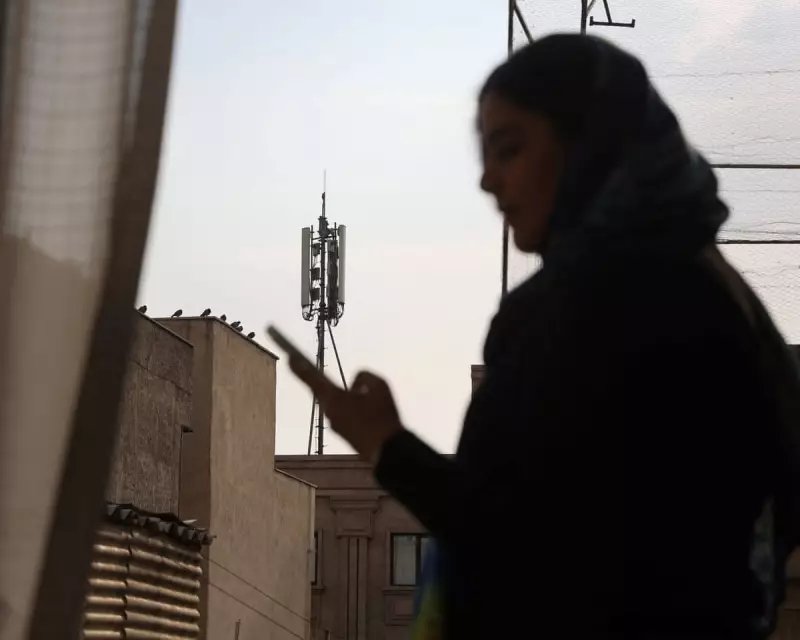
Iran appears to be easing its severe internet blackout, but experts warn the restrictions are far from over as the regime grapples with mounting economic costs and technical challenges in controlling online access.
Patchwork Connectivity Emerges Amid Ongoing Restrictions
Internet analysis reveals what experts describe as a "patchwork of connectivity" across Iran, with authorities apparently developing their content blocking system "by trial and error." Doug Madory, director of internet analysis at Kentik, observed that while some access has returned, it represents "some kind of degraded service" rather than full restoration.
Uneven Restoration Patterns
Data from monitoring services shows an uneven restoration of internet traffic beginning on Tuesday, reaching approximately 60% of pre-shutdown levels at certain points. However, the pattern doesn't follow a smooth curve but rather displays jagged peaks, indicating authorities continue to throttle connections selectively.

On Wednesday, previously unavailable Iranian Telegram channels came back online for some users, though many social media and messaging platforms remain largely unusable. According to Filterwatch, an organisation monitoring Iran's internet traffic, certain services including Google, Bing and ChatGPT have become available to some users on a province-by-province basis, though connections remain unstable.
Economic Toll Mounts to $36 Million Daily
The financial impact of the shutdown has become increasingly significant, with Iranian authorities themselves estimating losses of up to $36 million each day according to recent government statements. This staggering figure reflects how entire sectors of the economy have been unable to function properly without reliable internet access.
Businesses Resort to Extreme Measures
The severity of the situation has forced Iranian business leaders to adopt extraordinary measures. Reports confirmed by digital rights researchers describe CEOs gathering in the dining hall of the Tehran Chamber of Commerce to access monitored government internet connections.
Demand proved so overwhelming that each businessperson was restricted to just thirty minutes of access. One participant compared the environment to "an internet cafe from the 1980s or a university campus," highlighting how the shutdown has pushed Iran's business community back decades in technological terms.
Original Shutdown Followed Escalating Protests
The internet blackout began on 8 January following nearly two weeks of escalating anti-government protests. It has become one of the defining features of what may represent the bloodiest weeks in Iran's recent history, helping obscure extreme violence against the population.
Information Control and Human Rights Concerns
Accounts of mass burials and truckloads of bodies have filtered out of the country only sporadically, often days after events occurred, through journalists, activists and the few Telegram channels that managed to maintain some connectivity. The shutdown has effectively created an information vacuum that makes independent verification of events extremely difficult.
Nationwide protests against failing economic policies initially started in Tehran's Grand Bazaar in late December, setting in motion the chain of events that led to the current internet restrictions.
Regime Adjusts Rather Than Ends Restrictions
Despite earlier indications that authorities might continue the blackout indefinitely – with one government spokesperson reportedly suggesting restrictions could last until Nowruz, the Persian new year on 20 March – experts now observe adjustments rather than complete restoration.
Developing Systems "On the Fly"
Madory noted that authorities appear to be fine-tuning their approach, stating: "Every day is different. Even within a day, it's not consistent. It appears like they're just developing this on the fly." The internet has definitely not been restored to pre-8 January levels, suggesting the regime is seeking a balance between control and economic functionality.

The economic impact figures place Iran's situation in a global context, with the OECD having previously estimated Egypt's 2011 internet shutdown during the Tahrir protests cost approximately $90 million. Iran's daily losses of $36 million represent a significant burden even for an economy of its size, particularly as the restrictions continue week after week.