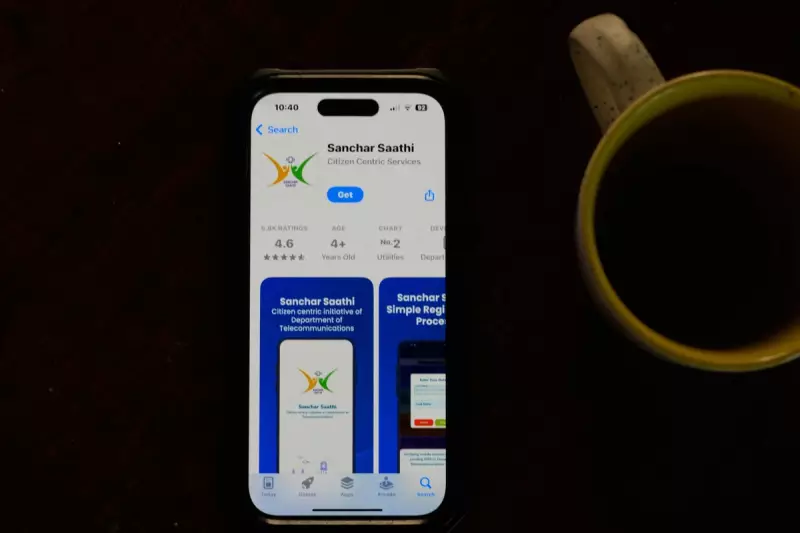
The Indian government has issued a sweeping directive requiring all smartphone manufacturers to pre-install a state-run cybersecurity application on every new device sold in the country. This move, announced by the Ministry of Communications, has ignited a fierce debate over digital privacy and user consent in one of the world's largest mobile markets.
Government Mandate and Manufacturer Requirements
According to an official order issued on Monday, 2nd December 2024, smartphone makers have been given a 90-day deadline to ensure the 'Sanchar Saathi' app is installed on all new handsets. Crucially, the order stipulates that users must be prevented from deleting the software. The mandate extends beyond new stock, requiring manufacturers to push the app onto existing older models through over-the-air software updates.
The ministry justifies the directive as an essential measure for "curbing misuse of telecom resources for cyber frauds and ensuring telecom cyber security." The app, which was launched in January and is available to India's estimated 1.2 billion smartphone users, is designed to help block and track lost or stolen devices and identify fraudulent mobile connections. Government data claims it has seen over 5 million downloads and aided in recovering more than 700,000 lost devices.

Privacy Concerns and Expert Criticism
Digital rights advocates have reacted with alarm, labelling the order a significant erosion of personal privacy and user autonomy. Nikhil Pahwa, a prominent digital policy expert and founder of MediaNama, warns this could be a precursor to more intrusive measures.
"This is the beginning. It is government testing the waters," Pahwa stated. "Once a government app is forcibly pre-installed on our devices, what’s to stop them from pushing future apps that could be used for surveillance?" He highlighted the core issue of vanishing consent, noting that "phones are our personal spaces" and the government is removing the choice of what software resides on them.
The primary fear is function creep—the potential for the app's role to expand beyond its stated purpose, granting authorities greater access to device data and status. This concern is amplified by the app's non-removable status.
Global Context and Industry Pushback
India's action mirrors steps taken by other governments seeking greater control over digital ecosystems. In Russia, authorities have similarly promoted the mandatory pre-installation of the MAX messaging service, a platform critics describe as a surveillance tool due to its policy of providing user data to officials upon request.
The Indian order is expected to meet stiff resistance from major smartphone companies, particularly US-based Apple. Apple's longstanding internal policy prohibits the pre-installation of third-party apps, including those developed by governments, on its devices. This clash sets the stage for a potential confrontation between corporate policy and national regulation.
This development marks a pivotal moment in the balance between state-led cybersecurity initiatives and the fundamental digital rights of individuals, with implications that will be closely watched by policymakers, tech giants, and privacy campaigners worldwide.