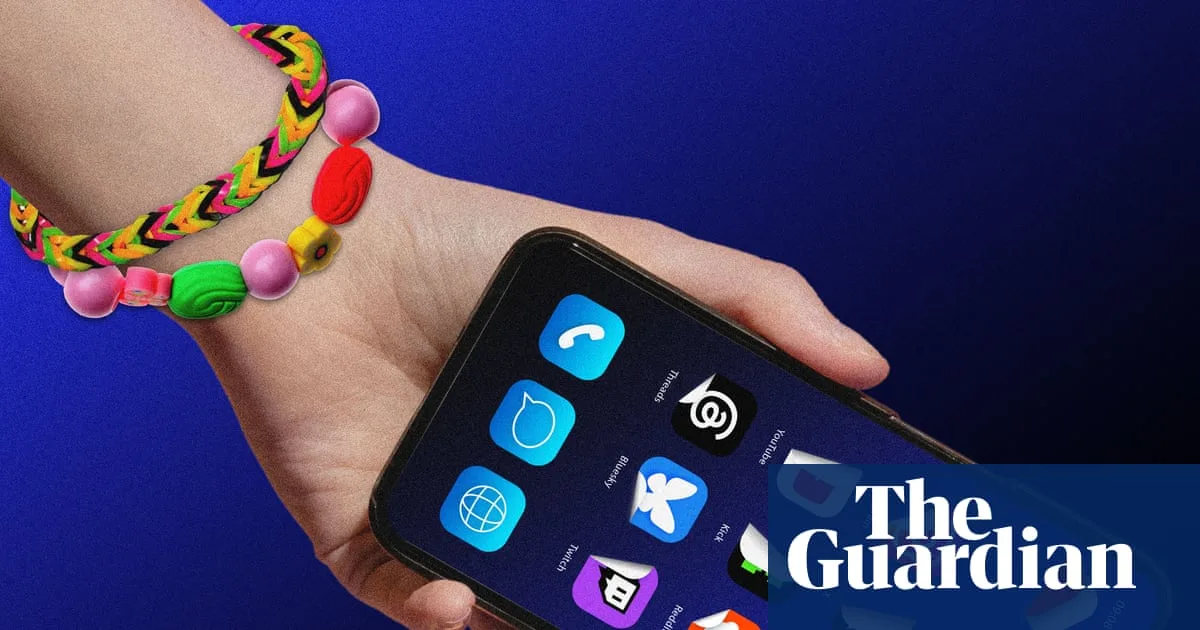
Australia's ban on social media for children under 16 in December has become a bellwether for global regulation. Months later, Indonesia and Malaysia have followed suit, and the UK announced its own ban, planned for early 2027. The moves reflect a growing international reckoning with the impact of social media on young people.
Governments are adopting varied approaches: Austria plans to restrict access to under-14s, France has set the age at 15, and Norway is considering extending its ban from under-13s to under-16s. Some countries, including Poland, Denmark, and England, are pairing bans with smartphone prohibitions in schools, while Brazil allows under-16s to have accounts linked to a parent's.
Legal actions against tech companies are mounting, with school districts and families accusing platforms of harming children's mental health. In a landmark California case, Meta and YouTube were found liable for deliberately designing addictive features. The lawyer Mark Lanier stated during closing arguments: 'They engineered addiction.'
The regulatory crackdown is also extending to artificial intelligence. The UK's ban includes an age limit of 18 for romantic chatbots, and Canada requires AI chatbot companies to implement guardrails. Norway is set to impose a near-total ban on generative AI tools in elementary schools.
Justin Hendrix of Tech Policy Press, which tracks over 40 countries' efforts, said the activity indicates a wider conversation about technology's role in children's lives. 'We don't know what we're doing,' he noted, adding that while evidence of harm is growing, the science is not yet settled. The global response reflects a determination to avoid repeating past mistakes with social media.