
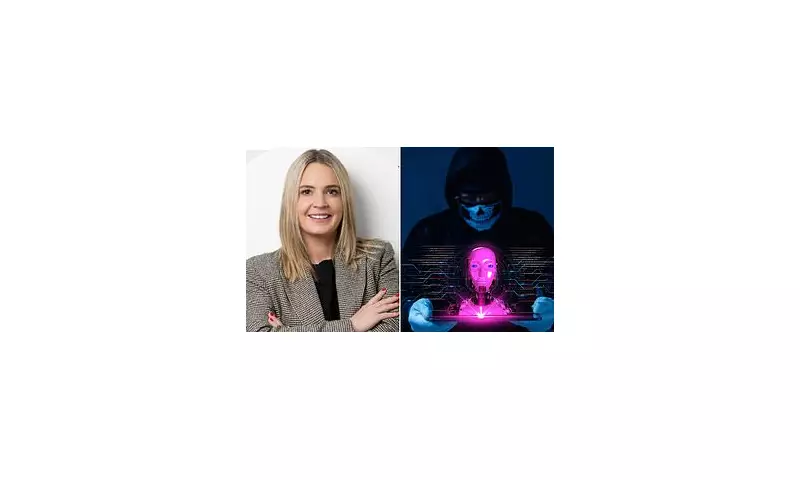
'Supercharged' AI Scams Pose Unprecedented Threat to Australia
Australia faces an alarming surge in AI-powered phishing attacks that could target over a million people in the coming year, according to a leading artificial intelligence expert. Research from software development firm Airteam reveals these sophisticated scams could affect up to 1.18 million Australians in the next twelve months, representing a staggering 372% increase from the 250,000 citizens scammed in 2024.
Why AI Makes Phishing So Much More Dangerous
Recent data from Microsoft demonstrates the terrifying effectiveness of AI-automated phishing attempts, achieving a 54% click-through rate compared to just 12% for standard phishing emails. This makes them nearly five times more successful at tricking victims. The technology creates such convincing lures that even experienced internet users struggle to identify them, potentially making these scams 50 times more profitable for criminals.
'It's frightening, it really is frightening,' AI specialist Natalie Ashes told Daily Mail. 'Everyone needs to be on their toes. It's coming and we need to be prepared.' She expressed particular concern for older Australians, noting how quickly these advanced scams can deceive people and how difficult they are to identify.
The Growing Financial Impact and New Defence Strategies
The surge coincides directly with AI's rapid development. In 2024, large Australian organisations reported 147 phishing breaches – the highest number in five years. The financial damage has been substantial, with Australians reporting losses of $13.7 million to phishing scams in the first four months of 2025 alone, a dramatic increase from $4.6 million during the same period in 2024.
Ms Ashes explained how AI enhances scam effectiveness: 'AI has improved the quality of phishing attacks. Just making tiny changes to subject lines, preview texts, or calls to action can really make significant changes in terms of how these emails perform. You can really move the needle in terms of performance and when we're talking about scamming, we're talking millions of dollars just by making these tiny changes.'
She described how modern scams have become frighteningly personalised: 'Two years ago, these were quite generic scams that were going out. Now it says 'Hi Nat, how was your trip? I saw your post' and it feels a lot more like it's coming from a person or business. These attackers can even find out what times you wake up in the mornings based on your open rates so it can hit you when you've just unlocked your phone when you're the least distracted.'
Banking Sector Response and Essential Protection Tips
Australian Banking Association CEO Simon Birmingham confirmed that all major banks remain 'deeply concerned about the rise of AI-powered scams' which are becoming increasingly sophisticated and emotionally manipulative. He noted that while criminals use AI to steal money, banks are deploying the same technology to strengthen protections and improve detection.
Ms Ashes provided her top three recommendations for avoiding these sophisticated online traps:
- Pause, don't tap: If a message seems unexpected or urgent, slow down. Avoid quick-pay links and instead open your bank or service app directly.
- Ring a caller back on a verified number: Never provide financial information or personal data during an incoming call. Instead, call the company back using the number on their official website or your card.
- Assume anyone can be fooled: Treat every email as suspicious. Use strong authentication methods like passkeys and limit the personal information you make publicly available on social media.
With an additional 930,000 Australians expected to fall victim to scams in the next year due to AI advances, particularly small businesses and older citizens, awareness and vigilance have never been more critical.