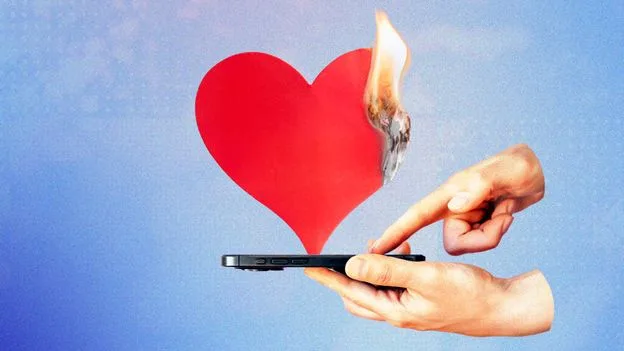
A new BBC documentary has exposed the addictive loop of dating apps, where users find themselves trapped in a cycle of downloading, burning out, deleting, and repeating. Research suggests this pattern is predictable and can lead to serious mental health consequences.
Fernanda R, a 29-year-old international affairs advisor, re-downloaded dating apps after a two-year break, hoping for a different experience. Instead, she found herself juggling multiple conversations, obsessively checking her phone, and feeling overwhelmed. 'It starts to take away from your real friendships, your work,' she said. The algorithm flooded her with matches, but nothing clicked, leaving her lonelier than before.
This phenomenon, known as dating app burnout, mirrors the effects of an unmanageably stressful job: exhaustion, cynicism, and a sense of inefficiency. A 2024 study found that over three months, users experienced burnout across the board. 'It seems as if the goals of the apps are fundamentally incongruent with the goals of users,' said Liesel Sharabi, director of the Relationships and Technology Lab at Arizona State University.

Burnout manifests in three ways: emotional exhaustion, cynicism, and inefficiency. Madeleine D, a marketing professional, described becoming desensitised to other users. 'The more time I spent, the more blind I became about it, like I didn't really care about these people. I hated that about myself,' she said.
Research links dating apps to higher rates of depression, anxiety, and loneliness. A meta-analysis of 17 years of studies covering 26,000 people found that dating app users reported significantly worse psychological health than non-users. The negative effects were more pronounced among those already struggling.
Experts advise recognising the signs of burnout and taking steps to protect yourself, such as setting time limits and focusing on quality over quantity. The key is to break the cycle before it takes a toll on your wellbeing.