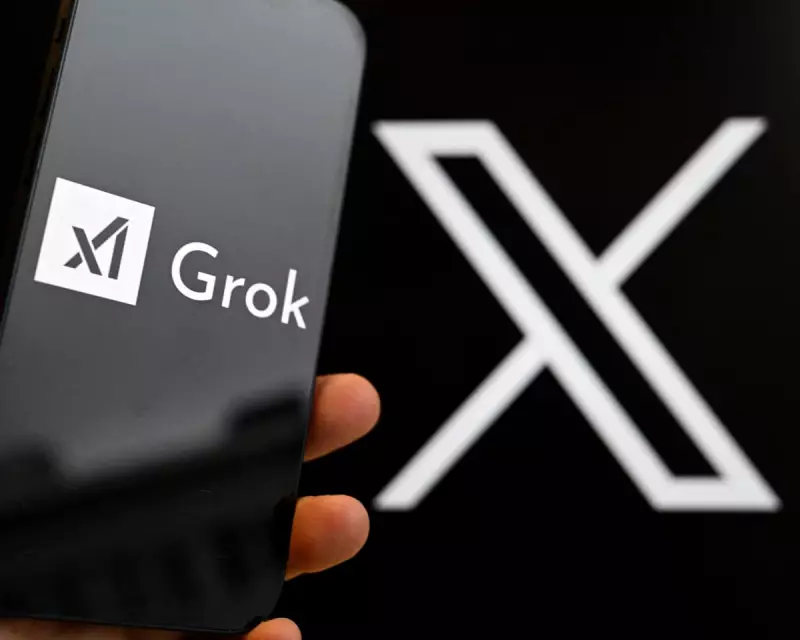
Elon Musk's social media platform X has announced major restrictions on its integrated artificial intelligence tool, Grok, effectively blocking users from generating sexually explicit images of real people. The decision comes amid a fierce public and political backlash in the United Kingdom and a formal investigation by the communications regulator, Ofcom.
What Restrictions Has X Imposed?
On Wednesday, X stated it had deployed "technical measures" to prevent its @Grok account from editing images of real individuals to make them appear in revealing clothing like bikinis. Previously, users could request such manipulations directly through the account, with results posted on the platform.
This new ban applies universally, covering all of X's estimated 300 million monthly users, including its up to 2.6 million paying subscribers. Furthermore, the broader ability to create or edit any image via the @Grok account will now be exclusive to subscribers. X argues this makes it easier to trace individuals who attempt to violate the law or platform policies.

The company is also implementing geoblocking for specific countries. This will limit users in jurisdictions where such acts are illegal from generating images of real people in bikinis, underwear, or similar attire, not only via @Grok but also through the Grok button within the X app and the standalone Grok app. Given that distributing intimate images without consent (so-called "revenge porn") is illegal in the UK, geoblocking will be applied there.
UK Government and Regulatory Response
The announcement was welcomed by UK authorities but met with caution. A Downing Street source described it as a "vindication" for Prime Minister Keir Starmer, who had previously condemned the flood of AI-generated "stripped" images as "disgusting" and "shameful".
Technology Secretary Liz Kendall stated that while she welcomed X's move, she still expected the facts behind the incident to be "fully and robustly established" by Ofcom's ongoing probe. Last week, the government confirmed it would support the regulator if it chose to use its full powers under the Online Safety Act, which include potentially banning the platform in the UK.
Does This Make a UK Ban Less Likely?
Legal experts suggest the new restrictions significantly reduce the possibility of an outright ban. "If the technical measures that X has taken work, then banning the platform is reduced as a possibility," said Professor Lorna Woods, an internet law expert at the University of Essex. A ban under the Online Safety Act is considered a last resort for serious, persistent legal breaches, which X's action appears to address.
Ongoing Scrutiny and Potential Penalties
Despite the changes, Ofcom's investigation remains active. The regulator acknowledged X's announcement as a "welcome development" but emphasised its formal probe continues "round the clock." X is under investigation for a torrent of AI-generated intimate imagery that began in December and escalated after Christmas.
Ofcom is examining several potential breaches of the Online Safety Act, including whether X failed to adequately assess the risk of users encountering illegal content, did not take proper steps to prevent access to intimate image abuse and child sexual abuse material, and did not implement effective age verification for pornography.
If found in breach, X still faces severe consequences, including fines of up to 10% of its global turnover or being forced to take specific remedial actions. As Ofcom's highest-profile case to date, the regulator may opt to issue a substantial fine to set a precedent, even if it determines the platform is now compliant.
This episode marks a critical test for the UK's new online safety framework and highlights the rapid regulatory challenges posed by the integration of powerful generative AI tools into major social media platforms.