White House AI Imagery Blurs Reality, Experts Warn of Eroding Public Trust
The Trump administration has consistently embraced artificial intelligence-generated content across its official communication channels, sharing cartoon-like visuals and internet memes through White House social media accounts. However, this digital strategy has taken a concerning turn with the dissemination of edited, realistic imagery that experts say dangerously blurs the lines between authentic documentation and manufactured content.
Manipulated Arrest Image Raises New Alarms
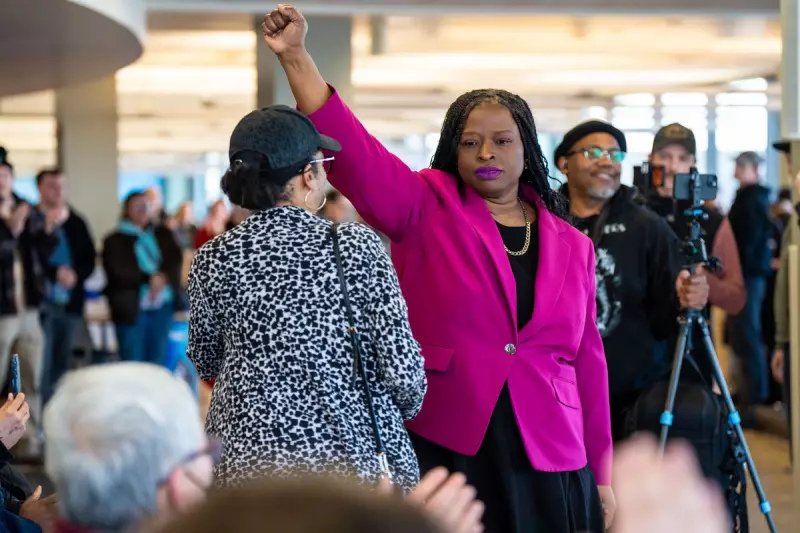
An altered photograph showing civil rights attorney Nekima Levy Armstrong in tears following her arrest has sparked particular concern among misinformation researchers. The sequence began when Homeland Security Secretary Kristi Noem's account posted the original arrest image, followed by the official White House account sharing a manipulated version that added visible distress to the subject.
This doctored picture represents just one example within a flood of AI-edited imagery circulating across political platforms since the fatal shootings of Renee Good and Alex Pretti by U.S. Border Patrol officers in Minneapolis. White House officials have defended their approach, with deputy communications director Kaelan Dorr declaring on social media platform X that "the memes will continue," while Deputy Press Secretary Abigail Jackson shared posts mocking criticism of the administration's digital tactics.

Experts Decry Erosion of Institutional Trust
David Rand, a professor of information science at Cornell University, notes that labeling manipulated content as memes appears strategic. "Calling the altered image a meme certainly seems like an attempt to cast it as a joke or humorous post, like their prior cartoons," Rand observes. "This presumably aims to shield them from criticism for posting manipulated media." He suggests the purpose behind sharing the edited arrest image remains "much more ambiguous" than previous cartoonish imagery from the administration.
Michael A. Spikes, a Northwestern University professor specialising in news media literacy, expresses profound concern about institutional credibility. "The government should be a place where you can trust the information, where you can say it's accurate, because they have a responsibility to do so," Spikes emphasises. "By sharing this kind of content, and creating this kind of content... it is eroding the trust we should have in our federal government to give us accurate, verified information. It's a real loss, and it really worries me a lot."
Strategic Engagement or Dangerous Precedent?
Republican communications consultant Zach Henry, founder of influencer marketing firm Total Virality, interprets the White House's approach as strategic digital engagement. "AI-enhanced or edited imagery is just the latest tool the White House uses to engage the segment of Trump's base that spends a lot of time online," Henry explains. He notes that while "terminally online" audiences recognise such content as memes, older generations might perceive edited realistic images as authentic, potentially prompting intergenerational conversations that amplify the content's reach.
However, Ramesh Srinivasan, a UCLA professor and host of the Utopias podcast, warns of broader consequences. "AI systems are only going to exacerbate, amplify and accelerate these problems of an absence of trust, an absence of even understanding what might be considered reality or truth or evidence," he states. Srinivasan believes official channels sharing AI-generated content not only encourages similar behaviour among ordinary citizens but also grants implicit permission to policymakers and other credible figures to disseminate unlabeled synthetic material.
Proliferating AI Content Across Immigration Discourse
The phenomenon extends beyond still imagery to AI-generated videos proliferating across social platforms. Following the shooting of Renee Good by an ICE officer, numerous fabricated videos began circulating depicting women driving away from immigration officers or confronting them aggressively. Content creator Jeremy Carrasco, who specialises in media literacy and debunking viral AI content, suggests much of this material originates from accounts "engagement farming"—capitalising on popular search terms like ICE to generate clicks.

"Most viewers can't tell if what they're watching is fake," Carrasco cautions, questioning whether audiences would distinguish reality from fabrication "when the stakes are a lot higher." Even when AI generation leaves blatant signs like gibberish text on street signs, only in "best-case scenarios" would viewers possess sufficient digital literacy to recognise manipulation.
Systemic Challenges and Potential Solutions
The problem transcends immigration-related content, with fabricated imagery surrounding Venezuelan leader Nicolás Maduro's capture exploding online earlier this month. Carrasco believes AI-generated political content will only become more commonplace, describing the situation as "an issue forever now" that people underestimate in severity.
As a potential mitigation strategy, Carrasco points toward watermarking systems that embed origin information within media metadata. The Coalition for Content Provenance and Authenticity has developed such technology, though widespread adoption remains at least a year away according to Carrasco's assessment. Meanwhile, experts like Spikes observe existing "institutional crises" around distrust in news organisations and higher education, warning that official channels sharing manipulated content further inflames these fundamental challenges to democratic information ecosystems.