UK Ministers Accept $1 Million from Meta to Develop AI Systems for Defence and Transport
The UK government has accepted a $1 million donation from Meta, the parent company of Instagram and Facebook, to fund artificial intelligence experts working on national security, defence, and transport projects. The announcement comes as ministers launch a consultation on potentially banning social media access for children under the age of 16, a move that would significantly impact Meta's platforms.
Funding for AI Experts Amid Policy Scrutiny
The Department for Science, Innovation and Technology revealed that the funds will be used to pay four British AI specialists, coordinated by the government-funded Alan Turing Institute. These experts will focus on developing cutting-edge AI solutions to modernise critical public services, including healthcare, policing, and transport infrastructure.
Ian Murray, the minister for data and digital government, stated that the specialists will "play a pivotal role in rewiring our healthcare, police, transport systems and more." The government emphasised that the technology could lead to faster, safer, and more reliable public services for people across the UK.

Criticism Over "Alarmingly Close" Tech Relationships
The deal has drawn sharp criticism from campaigners who question the government's relationship with major US tech firms. Donald Campbell, advocacy director at the tech justice group Foxglove, described it as "yet more evidence of the UK government's alarmingly close relationship with Trump-supporting US tech giants."
Campaigners have raised concerns about potential conflicts of interest, particularly given that Meta executives have held 50 meetings with ministers over the past two years, according to a Guardian investigation. This represents one of the highest levels of direct access enjoyed by any technology company.
Social Media Ban Consultation Creates Tension
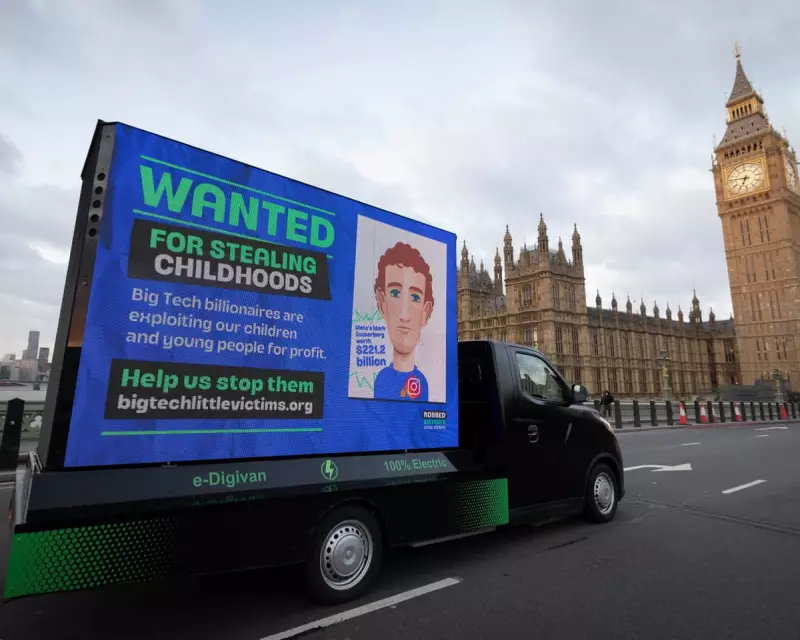
The timing of the funding announcement is particularly sensitive as the government consults on proposals to ban social media use for under-16s. Such a ban would directly affect Meta's Instagram platform, which is popular among teenagers.
Daisy Greenwell, co-founder of the Smartphone Free Childhood campaign, warned that the deal "highlights an uncomfortable reality: tech giants spend vast sums to gain access and influence in policymaking." She stressed the importance of ensuring that decisions about children's online safety are based on independent evidence rather than corporate interests.
Additional Partnership with Anthropic Announced
Alongside the Meta funding, the government revealed a new partnership with San Francisco-based AI company Anthropic. The company will develop a dedicated assistant tool for public services on gov.uk, beginning with a model designed to provide career advice to jobseekers.
This collaboration comes as the government prepares to reform how copyrighted works are protected from being used to train AI models, such as those developed by Anthropic. The company has notable connections to UK political figures, including former prime minister Rishi Sunak, who has taken an advisory role at the $350 billion startup.
Questions About Independence and Influence
Cross-bench peer Beeban Kidron, who campaigns on child protection and copyright issues, expressed concern that "this government is walking into dependence on Silicon Valley" while potentially undermining the development of a domestic AI sector. She criticised what she sees as the government giving away valuable datasets to tech companies that could afford to pay for them.
The Meta-funded AI experts will specifically work on developing models to analyse images and videos, helping local authorities prioritise transport infrastructure repairs more effectively. They will also create AI solutions that can operate offline or within secured networks to support national security and defence teams while protecting sensitive data.
As the government navigates these complex relationships with tech giants, the consultation on social media restrictions for young people continues, raising fundamental questions about how policy decisions are shaped in an increasingly digital age.