Web Creator Tim Berners-Lee Champions User Power in Australian Visit
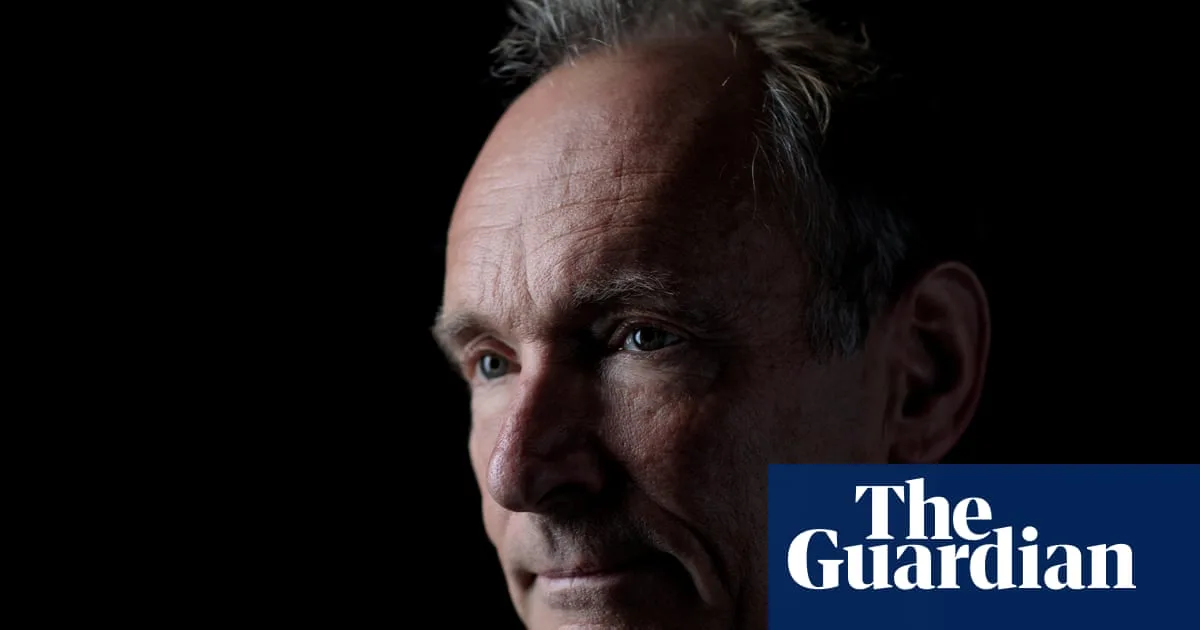
Sir Tim Berners-Lee, the British computer scientist who invented the World Wide Web in 1989, is currently in Australia to promote his new book and reflect on how to restore control of the internet to its users. Speaking from Brisbane, Berners-Lee expressed both pride and concern about his creation's evolution, describing his current mission as a "battle for the soul of the web."
From Democratic Vision to Commercialised Reality
When Berners-Lee first developed the web, his vision was clear: a free, universally accessible platform that would serve humanity. Today, with approximately 5.5 billion regular users worldwide, he acknowledges that the internet has strayed significantly from those original democratic ideals. The commercialisation of the domain name system in the 1990s marked a turning point, with what Berners-Lee calls "charlatans" seizing control of the .com space and prioritising profit over public interest.
Berners-Lee traces much of the web's current toxicity to this shift, noting that the 2016 US elections revealed just how damaging the platform could become. He told Guardian Australia that he was "devastated" by the abuses that emerged, describing how parts of the web have been deliberately "optimised for nastiness." In a recent blog post, he illustrated this with a diagram showing beneficial aspects like email, health resources, and creativity alongside a troubling red cluster including social media platforms, disinformation, and mental health issues.
The Solid Protocol: A Path to User Sovereignty
For the past decade, Berners-Lee has focused on developing the Solid (social linked data) protocol, a system designed to fundamentally change how personal data is managed online. This approach gives users control through "pods" – secure digital containers that allow individuals to choose exactly what information they share with specific people, businesses, or organisations.
The Flanders government in Belgium has already adopted this model, treating data as a national utility. Berners-Lee believes that as more developers embrace this concept, existing extractive systems will gradually become obsolete. "When people are excited, they get a twinkle in their eye and they start coding just because of what they can imagine," he says, describing the enthusiasm among those who understand Solid's potential.
Addressing Social Media and AI Concerns
Berners-Lee expressed skepticism about Australia's world-first social media ban for under-16s, suggesting that messaging services can be genuinely useful for young people. Instead, he advocates for specially designed children's smartphones that block harmful sites while allowing appropriate communication, citing the Other phone developed with Mumsnet as a positive example.
On artificial intelligence, Berners-Lee's optimism wanes. He warns that "the horse is bolting" when it comes to establishing proper guardrails for AI development. Drawing parallels with his work at Cern, where the web was created in a non-commercial, scientific environment, he proposes establishing "a Cern for AI" where researchers could collaboratively ensure safety. Currently, he fears that corporate silos prevent the scientific community from properly evaluating AI systems.
Berners-Lee will be speaking at the Brisbane Powerhouse on Thursday 29 January and the Sydney Opera House on Friday 30 January, continuing his advocacy for a more compassionate, collaborative internet that returns power to its users.