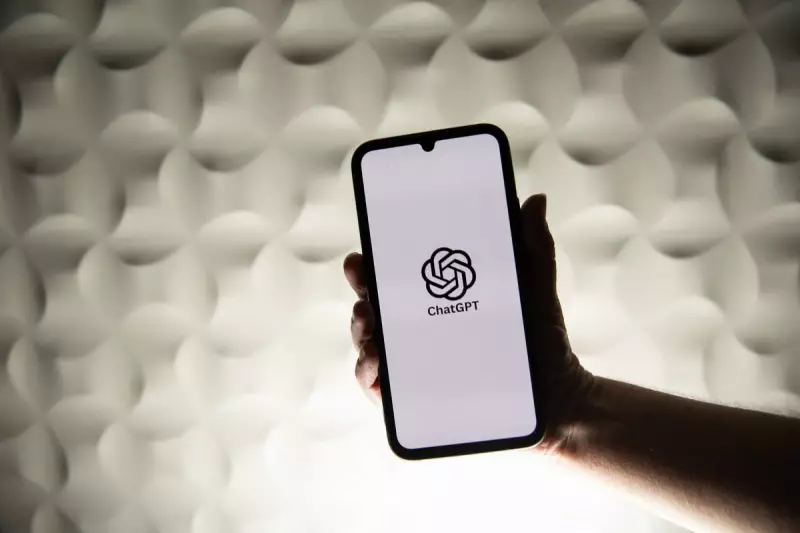
OpenAI has declared that its primary objective for the year 2026 is to ensure artificial intelligence becomes "actually useful" in everyday applications, marking a significant shift towards practical adoption. This strategic announcement coincides with the company's preparations to unveil its inaugural physical product and introduce advertising within its popular ChatGPT platform.
A Dual Focus on Utility and Innovation
The company's leadership has emphasised closing the gap between AI's technological capabilities and its real-world implementation. Sarah Frier, OpenAI's chief financial officer, articulated this mission in a recent blog post, stating, "Our job is to close the distance between where intelligence is advancing and how individuals, companies, and countries actually adopt and use it." This reflects a broader ambition to integrate AI more deeply into sectors such as scientific research, drug discovery, energy systems, and financial modelling.
Preparing for a Groundbreaking Device Launch
In tandem with this focus on utility, OpenAI is "on track" to reveal its first-ever physical product in 2026, as confirmed by Chris Lehane, the company's chief global affairs officer, during an interview with Axios. While details remain scarce, widespread speculation suggests the device will be a screen-free tool designed to facilitate interaction with AI technology similar to ChatGPT. Lehane indicated that the introduction is scheduled for this year, though availability might extend into 2027, leaving the exact timeline ambiguous.

OpenAI has collaborated with renowned Apple designer Jony Ive and his firm LoveFrom on this project, yet the product's specifications and functionality are still shrouded in secrecy. This move represents a bold step into the hardware market, potentially revolutionising how users engage with AI in their daily lives.
Introducing Advertising to ChatGPT
Further aligning with its goal of broader adoption, OpenAI has begun implementing a free ad- and commerce-supported tier for ChatGPT. Last week, the company announced that it would start displaying sponsored products and services within the chatbot when they are deemed relevant to conversations. This initiative aims to drive widespread usage while exploring new economic models, as highlighted by Frier, who noted that licensing, IP-based agreements, and outcome-based pricing will likely emerge as AI integrates into various industries.
Frier drew parallels to the internet's evolution, suggesting that intelligence will follow a similar path of commercialisation and utility. She explained, "As intelligence moves into scientific research, drug discovery, energy systems, and financial modeling, new economic models will emerge... That is how the internet evolved. Intelligence will follow the same path."
Looking Ahead to a Transformative Year
As 2026 progresses, OpenAI's dual strategy of enhancing AI's practical usefulness and expanding its commercial footprint through devices and advertising positions the company at the forefront of technological innovation. With a clear focus on bridging the adoption gap, these developments could significantly impact how businesses, governments, and individuals leverage artificial intelligence in the coming years.