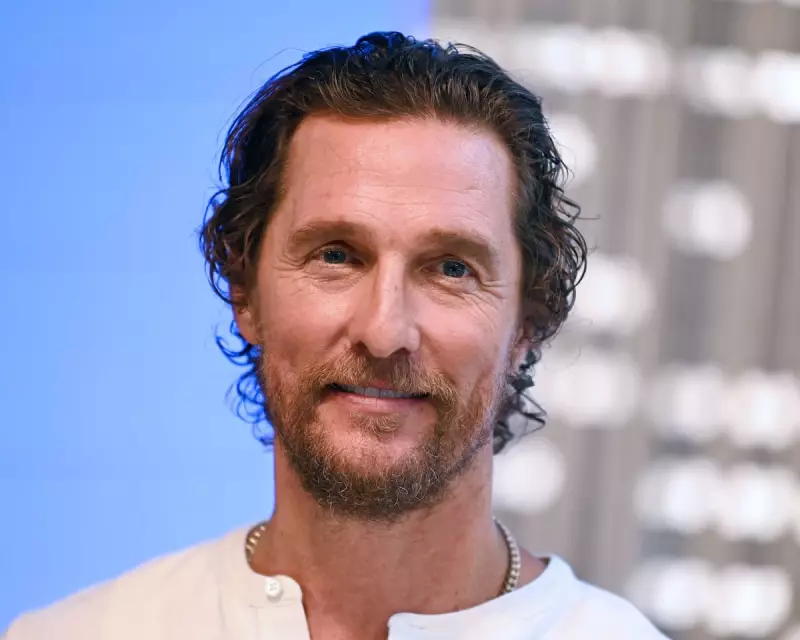
Oscar-winning actor Matthew McConaughey has taken a significant legal step to protect his identity in the digital age, officially trademarking his famous catchphrase and likeness to combat the rising threat of artificial intelligence-generated fakes.
Securing the Signature Line
According to reports from The Wall Street Journal, McConaughey recently secured approval from the US Patent and Trademark Office for eight separate applications. These include the audio clip of him delivering his iconic line, "Alright, alright, alright" from the 1993 cult classic Dazed and Confused, along with specific film clips of the actor.
In a statement, the actor explained his proactive move: "My team and I want to know that when my voice or likeness is ever used, it’s because I approved and signed off on it. We want to create a clear perimeter around ownership with consent and attribution the norm in an AI world."

A Growing Industry Crisis
McConaughey's action highlights a critical and escalating issue within the entertainment sector. Unauthorised AI use of performers' images and voices has sparked major concerns since at least 2023, when fellow actor Tom Hanks publicly warned fans about a dental advert using his digital likeness without permission.
The problem has intensified with the proliferation of digital body scans and generative AI tools. Actor Olivia Williams has recently advocated for specific contractual clauses, or "nudity riders," to prevent exploitation. The controversy deepened with outrage over X's Grok AI chatbot being used to create non-consensual sexualised imagery, fuelling a sense of urgent crisis.
Establishing a Legal Precedent
Jonathan Pollack, one of McConaughey's lawyers, clarified that while there are no specific, current complaints against the actor, the trademarks are a strategic tool for future protection. "In a world where we’re watching everybody scramble to figure out what to do about AI misuse," Pollack stated, "we have a tool now to stop someone in their tracks or take them to federal court."
This move by the acclaimed actor establishes a clear legal boundary. It serves as a pre-emptive strike, setting a precedent for other performers seeking to control their digital personas and maintain autonomy over their most recognisable assets in an increasingly unregulated technological landscape.