House of Lords Votes Overwhelmingly for Social Media Ban for Under-16s
In a significant parliamentary development, the House of Lords has voted decisively to support a proposed ban on social media access for children under the age of 16. The landmark vote saw peers back the measure by 261 votes to 150, delivering a substantial majority of 111 in favour of the controversial amendment to the Children's Wellbeing and Schools Bill.
Growing Pressure for Action on Online Harms
The vote represents a heavy defeat for the Government and follows mounting pressure from campaigners including prominent actor Hugh Grant, who has been vocal about the dangers social media platforms pose to young people. Supporters of the Australian-style ban argue that parents currently find themselves in "an impossible position" when trying to protect their children from the array of online harms they may encounter.
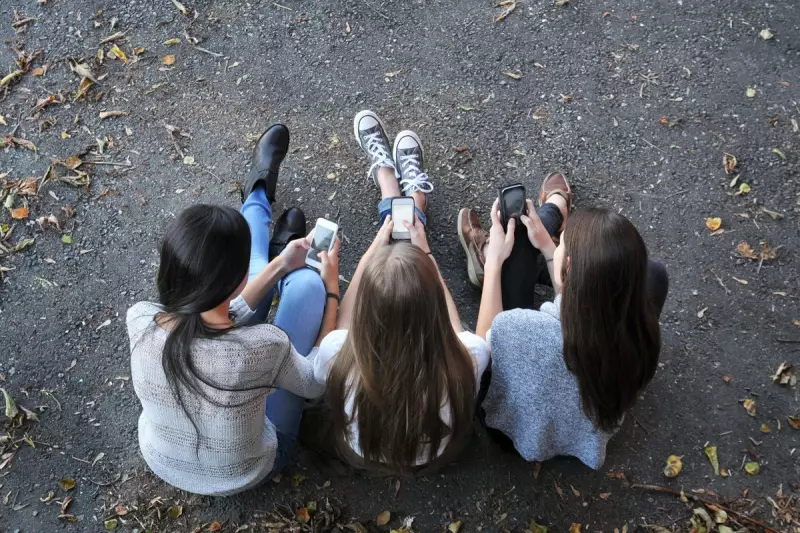
Conservative peer Lord Nash, who has spearheaded calls for legislative action, proposed the amendment and told the upper chamber that many teenagers are spending excessive hours – between five and seven or more daily – engaged with social media platforms. "The evidence is now overwhelming as to the damage that this is causing," he declared, adding that the correlation between social media use and harm to children's health, cognitive ability, educational attainment, and economic productivity has become undeniable.

Government Consultation Faces Criticism
The vote comes as Technology Secretary Liz Kendall announced a three-month consultation this week that will examine the potential advantages and disadvantages of implementing a social media ban for under-16s. The consultation will also consider possible overnight curfews and measures to prevent "doom-scrolling" behaviour among young users, with findings expected to be reported back during the summer months.
However, Lord Nash dismissed the Government's consultation as "unnecessary, misconceived and clearly a last-minute attempt to kick this can down the road." He emphasised the urgency of the situation, stating: "This is going to happen. The only question is when. We have the opportunity to do it now in this Bill, and every day which passes, more damage is being done to children. We must act now."
Cross-Party Support and Vocal Campaigners
Paediatrician Baroness Cass echoed this sentiment, asserting that "the first duty of Government is not to consult, it is to act." The independent crossbencher added: "If we think children may be in danger, we act first and we ask questions later."
Filmmaker and children's rights campaigner Baroness Kidron offered a more critical perspective, suggesting that "a consultation is the playground of the tech lobbyist and inaction is the most powerful tool in politics." She further commented that "the Government has shown it will only act under pressure, not principle."
Tory peer Baroness Bertin, who led an independent review of pornography published last year, delivered particularly strong criticism of social media companies, branding their business model as "sort-of borderline criminal, but certainly very toxic and it is so sophisticated." The former Downing Street press secretary added: "They have already made off like bandits with our children's innocence."
Concerns About Digital Literacy Development
Not all peers supported the blanket ban approach. Liberal Democrat Lord Clement-Jones expressed concerns that such a measure "risks protecting children in a sterile digital environment until their 16th birthday, then suddenly flooding them with harmful content without having developed a digital literacy to cope."
Nevertheless, Tory shadow education minister Baroness Barran urged immediate action, stating: "We don't need another national conversation. The nation has spoken very clearly about its level of concern, and parents and children will not thank us." She emphasised: "We owe it to our children to act now and protect their childhood."

Government Response and Future Process
Responding to the debate, education minister Baroness Smith of Malvern acknowledged the widespread concerns about children's online safety and screen time impacts on wellbeing. "Rest assured, Government hears those concerns, and we are prepared to act to deal with them," she stated, while noting that "there is a range of different views on the action that we need to take, even as there is a consensus that action is needed."
The minister promised to bring forward a future amendment enabling the secretary of state to enact the outcome of what she described as a "short, sharp" consultation. "The question is not whether the Government will take further action. We will act robustly. The question is how to do this most effectively," she told peers.
Campaigner Reactions and Broader Support
Following the vote, Lord Nash declared: "Tonight, peers put our children's future first. This vote begins the process of stopping the catastrophic harm that social media is inflicting on a generation."
Online safety campaigner Ellen Roome, who believes her 14-year-old son Jools died while attempting an online challenge, expressed her delight with the outcome, telling the Press Association: "Everybody's campaigned really hard for it."
The amendment received support from a coalition of prominent figures including Hollywood star Hugh Grant, singer Peter Andre, and actress Sophie Winkleman. The letter backing the amendment was also signed by Esther Ghey, whose 16-year-old daughter Brianna was murdered by two teenagers in 2023. Ms Ghey has previously spoken about her daughter's "social media addiction" and her "desperate" desire to become "TikTok famous," which created constant fears about who she might be communicating with online.
The letter stated unequivocally: "Children are being served up extreme content without seeking it out. Parents know this has to stop. But they cannot do this alone, and they are asking for politicians to help."
Additional Measures and Legislative Process
In a related development, peers also backed by 207 votes to 159, with a majority of 48, a ban on providing VPN services to children over concerns they can be used to bypass age verification restrictions on accessing adult content.
The changes made by peers to the Bill will now be considered by MPs during the parliamentary process known as ping-pong, where legislation moves between the Commons and Lords until agreement is reached. A Government spokesperson commented: "We will take action to give children a healthier relationship with mobile phones and social media. It is important we get this right, which is why we have launched a consultation and will work with experts, parents and young people to ensure we take the best approach, based on evidence."