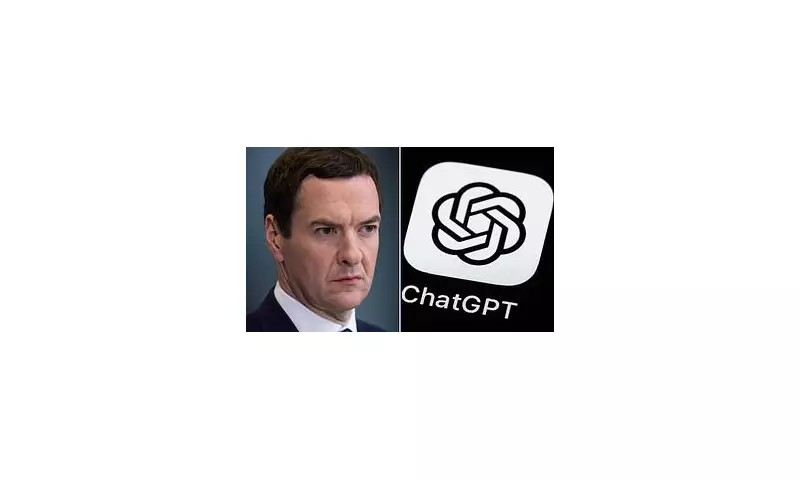
George Osborne, the former Conservative Chancellor of the Exchequer, has secured a prominent new position with the artificial intelligence giant OpenAI, the company behind the revolutionary ChatGPT. His appointment comes at a time of intense legal and ethical scrutiny for the AI sector, particularly regarding its use of copyrighted creative works.
A Controversial Move Amid Legal Battles
Osborne's role, which will see him lead OpenAI's expansion into what it terms 'democratic' AI, is strikingly similar to the career pivot made by former Liberal Democrat leader Nick Clegg, who joined Meta (formerly Facebook). However, this move has immediately raised eyebrows. Mr Osborne will begin his new job at OpenAI in January and be based in London, adding it to an already extensive portfolio of roles.
The timing is highly sensitive. OpenAI is currently embroiled in significant legal disputes over how it trains its AI models. Last month, a court in Munich delivered a landmark ruling, finding that ChatGPT had violated German copyright laws by using the work of bestselling musicians without permission. Simultaneously, OpenAI is locked in a fierce legal battle with prestigious publishers including The New York Times, accused of plundering copyrighted news content to train its systems.

Osborne's Juggling Act and Industry Backlash
This new position brings Osborne's tally of concurrent jobs to six. He currently serves as chairman of the British Museum, co-presenter of the Political Currency podcast, a lecturer at Stanford University in the US, an adviser to cryptocurrency exchange Coinbase, and chairman of Italian investment firm Lingotto.
The backlash against AI firms' practices is not confined to courtrooms. In the UK political sphere, a recent public consultation saw Labour's proposals to allow AI companies to freely use copyrighted material overwhelmingly rejected. This public sentiment is echoed by campaigns from major media organisations. The Daily Mail is campaigning for authors, publishers and musicians to be paid fairly for their work and to have their copyright respected.
Broader Implications for AI and Creativity
Osborne's recruitment by OpenAI highlights the deepening ties between Big Tech and high-profile political figures, even as the industry faces a pivotal clash with creative content producers. The core issue revolves around whether AI companies can continue to use vast swathes of copyrighted books, articles, music, and art to develop their products without explicit consent or fair compensation.
This appointment signals OpenAI's intent to strengthen its political and policy outreach, particularly in Europe and the UK, as regulatory pressures mount. The outcome of the ongoing lawsuits and the evolving public and political stance on AI copyright will likely define the boundaries of technological innovation and intellectual property protection for years to come.