





Apple Watch Health Tracking: A Double-Edged Sword of Safety and Privacy Concerns
Apple Watch Health Tracking: Safety vs Privacy Debate

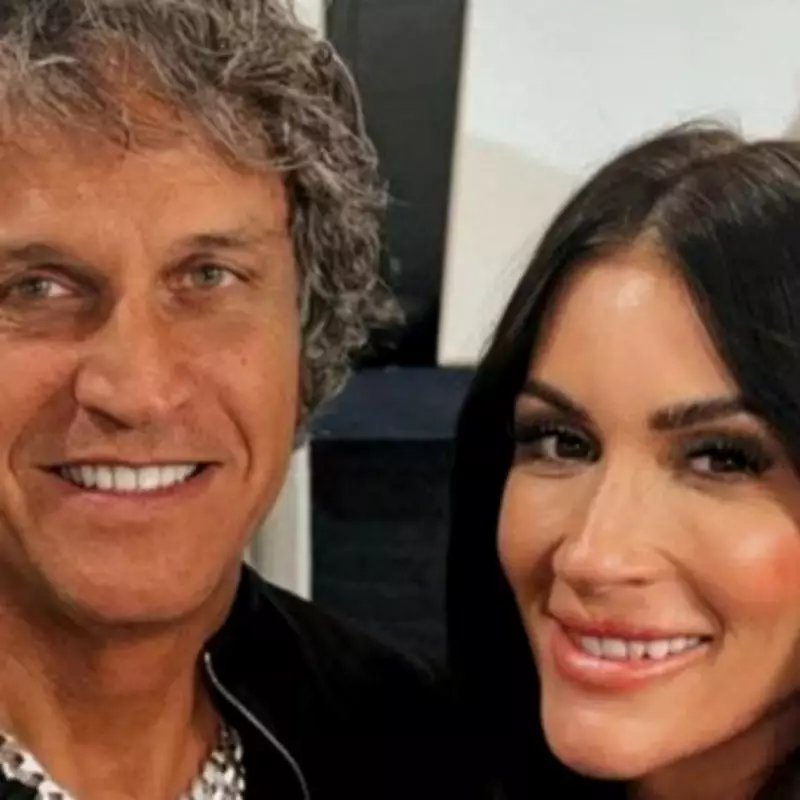
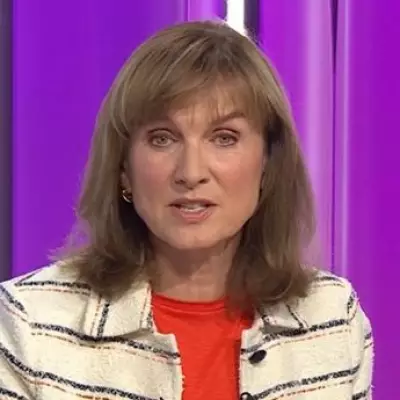
The investigation into the disappearance of Nancy Guthrie, the 84-year-old mother of Today host Savannah Guthrie, has taken a technologically advanced turn. Authorities believe her pacemaker ceased syncing with her Apple Watch around 2am on a Sunday, potentially marking the moment she was taken from her residence. This chilling detail not only serves as a critical clue but also underscores a profound modern reality: millions now depend on wearable devices for health monitoring and personal safety.

The Lifesaving Capabilities of Modern Wearables

Apple devices, among the market leaders in health wearables, offer a suite of features designed to protect users. From detecting irregular heart rhythms to alerting for dangerous falls, these gadgets have become integral to personal wellbeing. In a significant development last September, Apple introduced a world-first feature in its Series 11 Watch: software capable of warning users about potentially deadly high blood pressure. Often termed a 'silent killer', hypertension lacks obvious symptoms yet contributes to approximately half of all global heart attacks and strokes.

Comprehensive Health Monitoring Features

Cardiovascular disease affects a staggering 127 million adults in the United States, representing nearly half the adult population and remaining the leading cause of death. Apple Watch addresses this through multiple functions:

Fall Detection and Emergency Response: Introduced with Series 4 in 2018, this feature detects hard falls, triggering vibrations and an alarm. If immobility persists for about 60 seconds, a 30-second countdown begins with a loud alert. Failure to cancel prompts automatic calls to emergency services and texts to emergency contacts with location data. Notably, this feature defaults to off for users under 55, requiring manual activation.

ECG Readings and Heart Rhythm Analysis: The ECG app utilises electrodes in the watch's back crystal and Digital Crown. By resting a finger on the crown, users complete a circuit across their chest and arms, allowing recording of electrical heart impulses. Within 30 seconds, it indicates whether the heart maintains a consistent pattern or detects atrial fibrillation—a serious irregular rhythm affecting approximately 10.5 million American adults, with up to one-fifth undiagnosed. This condition can cause blood pooling and clots, elevating stroke and heart failure risks.

Heart Rate Notifications: Users can set thresholds for high (100–150 beats per minute) or low (40–50 beats per minute) heart rate alerts during inactivity. Notifications prompt medical consultation if unwell, though experts caution that benign factors like stress, caffeine, or poor fit can trigger alerts.

Advanced Health Insights and Tracking

Blood Pressure Clues and Oxygen Estimation: While not measuring blood pressure directly, Apple Watch can identify associated signs like irregular rhythms, high resting heart rates, or poor sleep patterns. Doctors emphasise these as prompts for proper checks, especially with symptoms like headaches or dizziness. Additionally, blood oxygen saturation is estimated via pulse oximetry, where sensors shine light through skin to analyse reflection. Low readings may signal breathing issues, though persistent lows with symptoms require urgent attention.

Sleep Apnea Monitoring and Fitness Trends: Newer models monitor overnight breathing for disturbed patterns linked to sleep apnea, a condition associated with high blood pressure and heart disease. Cardio fitness is estimated using VO2 max, calculated from heart rate and movement during activities, with declining trends potentially indicating higher health risks. Wrist temperature tracking detects subtle shifts overnight, useful when combined with symptoms, though affected by external factors like room temperature.

Noise Exposure and Movement Tracking: The Noise app alerts users to environments risking hearing damage, measuring decibels at events or via headphones. Furthermore, devices act as 'digital breadcrumb trails'; in Guthrie's case, the sync loss between her pacemaker and watch suggested separation, aiding timeline narrowing. However, experts note innocent explanations like low battery or Bluetooth dropouts exist.

Privacy Implications and Campaigner Concerns

While wearable technology offers lifesaving potential, privacy campaigners raise alarms about the intimate records created—detailing locations, sleep patterns, and heart behaviour. These data could be accessed, shared, or subpoenaed in unintended ways. The overarching message from experts is clear: these devices wield incredible power, but users must comprehend what they relinquish and proactively secure their settings.