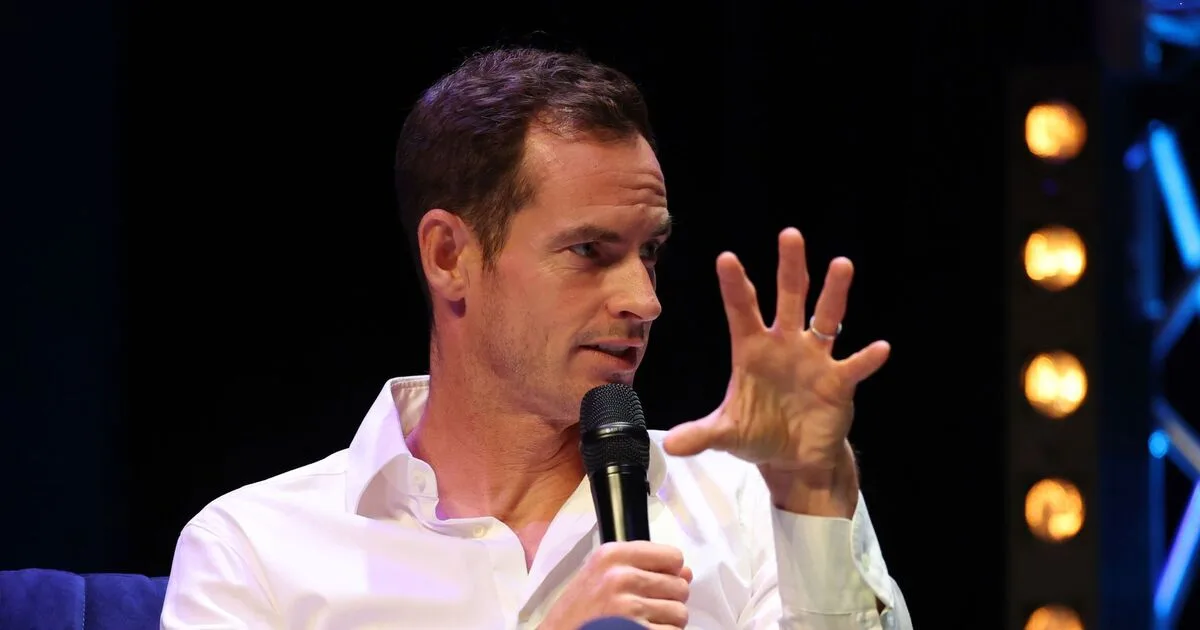
Wimbledon legend Sir Andy Murray has opened up about a major life regret, admitting he wishes he had not left school without any formal qualifications.
The Early Sacrifice for Tennis Stardom
The Scottish sports icon, now 38, made the pivotal decision to leave Dunblane High School at the age of 15. He moved to Barcelona to train at a prestigious tennis academy, dedicating himself fully to his dream of becoming a professional player.
Murray did attempt to continue some school work for a year after moving to Spain, but he ultimately gained no official qualifications. While this gamble famously paid off, leading to a career that included two Wimbledon titles and Olympic gold, the father-of-four now views his educational path differently.
A Father's Advice: Sport and School Must Mix
Speaking candidly, Murray stated he would never advise his own children to follow the same route. He is encouraging them to play sport but insists they must have an academic foundation to "fall back on."
"Things worked out fine for me but I regret that," Murray said. "I would not give that advice to my own children. If they were in that situation I would be like 'Look, keep doing your sport but you have to keep up with your school work'."
He highlighted the stark reality of professional sport, using his own experience as a cautionary tale. "At the academy I was at there were like 300 kids and only two or three of them became professional players," he revealed, emphasising the slim odds of success.
Educational Gaps Hindered Off-Court Roles
Murray also explained how his lack of formal education later proved a hindrance in his professional life, specifically when he served on the ATP Tour's Player Council.
"I hated it," he admitted of the role. "You would be sitting in meetings the day before a tournament for three or four hours and it didn't feel like much was getting done."
He offered a blunt assessment of the challenges faced by athletes in such positions: "As tennis players we obviously understand our sport but we're not intelligent people, most of us, or well educated either. So you would get like ten of us in a room talking about stuff that we don't really know that much about, like from a business perspective."
His reflections serve as a powerful message about the importance of balancing sporting talent with academic achievement, a lesson he is determined to pass on to the next generation.