Itoje's On-Field Spat with Smith Exposes England's Rugby Identity Crisis
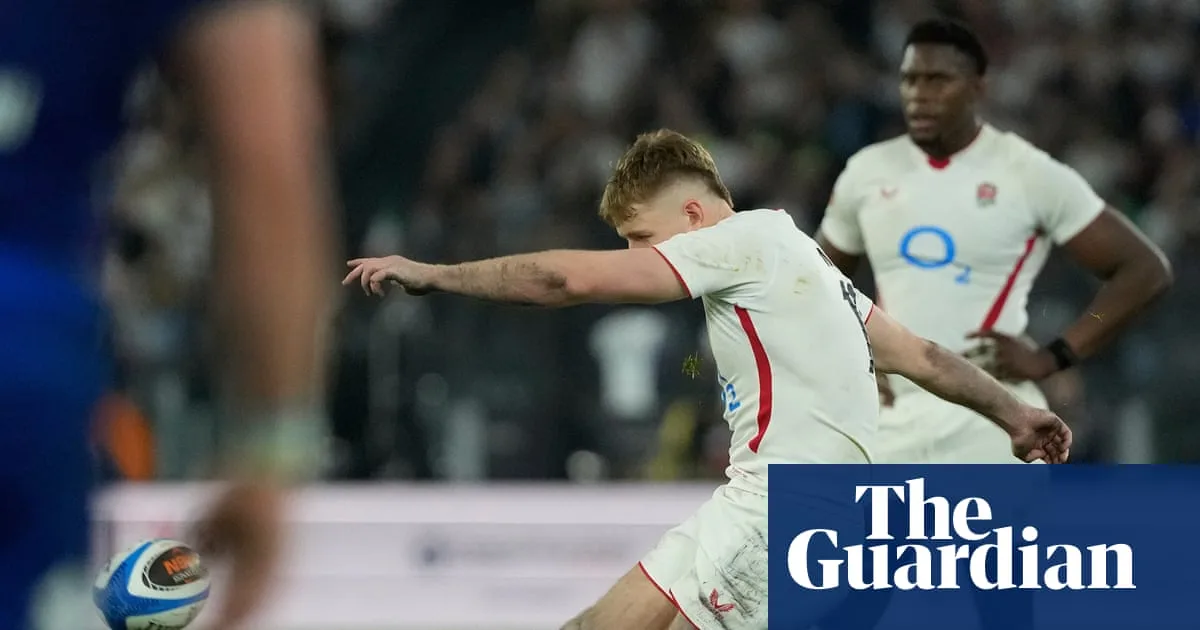
Maro Itoje, England's captain, was observed watching as Fin Smith successfully converted a penalty against Italy, but the pair would later engage in a heated on-field confrontation. This incident, captured during England's 23-18 defeat in Rome, underscores a startling identity crisis within the national team under head coach Steve Borthwick.
A Rare Outburst from a Normally Composed Leader
Itoje, typically known for his calm demeanor under pressure, lost his patience early in the second half when England led 12-10. After winning a scrum penalty near the Italian line, confusion arose over whether to kick for points or opt for a lineout drive. Jamie George signaled for a kick, while Ellis Genge suggested going to the corner. When Smith questioned the decision, Itoje snapped, shouting, "Don't argue with me, take the three!" at the young fly-half.
This outburst is particularly notable because Borthwick had previously praised Itoje's ability to remain composed under pressure, citing it as a key reason for his promotion to captaincy. The incident reveals heightened tensions and a lack of cohesive decision-making within the squad.
Contrast with Scotland's Vibrant Performance
The spat highlights a broader contradiction in England's approach. Are they a team willing to play expansively and take risks, or are they overly reliant on conservative, percentage-based tactics? This uncertainty contrasts sharply with Scotland's dynamic 50-40 victory over France, where captain Sione Tuipulotu, a centre, and fly-half Finn Russell were empowered to lead with creativity and trust.
Scotland's success underscores the importance of leadership from creative backs, a trend seen in other teams like France under Fabien Galthié and Shaun Edwards, both former half-backs, and Italy's head coach Gonzalo Quesada, a former fly-half. While historical examples like Martin Johnson show forwards can excel as captains, the modern game's speed increasingly values calculated risk-taking.
Broader Implications for England's Leadership
Itoje's intense year, including captaining the British & Irish Lions, personal milestones, and the loss of his mother, adds context to his recent yellow card and the Smith incident. There is a growing argument that he may benefit from a rest, both mentally and physically, to prepare for future challenges like the World Cup.
However, this raises questions about leadership alternatives. Beyond forwards like Jamie George, Ellis Genge, and Ollie Chessum, England lacks clear backline leaders who are guaranteed starters or capable of inspiring the team. Options like George Ford or Owen Farrell are limited, pointing to a deeper issue in squad development.
Six Nations Fixtures and Fan Concerns
Looking ahead, the 2027 Six Nations fixtures present logistical challenges for fans. England's schedule includes a Friday night opener in Dublin and late kick-offs at Twickenham, complicating travel and accommodation. This threatens the unique atmosphere created by visiting supporters, which has been a hallmark of the tournament's appeal.
Super Saturday and Memorable Moments
As this year's Six Nations concludes, all eyes are on the final round, dubbed "Super Saturday." France vs. England could influence the title race, depending on the Ireland vs. Scotland outcome. Meanwhile, Rhys Carré's try for Wales against Ireland has already become a highlight, sparking internet memes and adding to the championship's lore.
In summary, Itoje's spat with Smith is more than a momentary clash; it symbolizes England's struggle with identity, leadership, and strategy. As the team navigates these challenges, the need for enlightened coaching and cohesive direction becomes ever more critical to future success.