Ski Mountaineering's Olympic Debut Sparks Debate Over Format and Future
The Milano-Cortina Winter Olympics will introduce a brand-new sport this week: ski mountaineering, often called 'skimo' by enthusiasts. This Alpine discipline combines rapid uphill climbs with technical descents, but its Olympic format has ignited controversy among athletes and fans alike.
A New Olympic Event with a Fast-Paced Twist
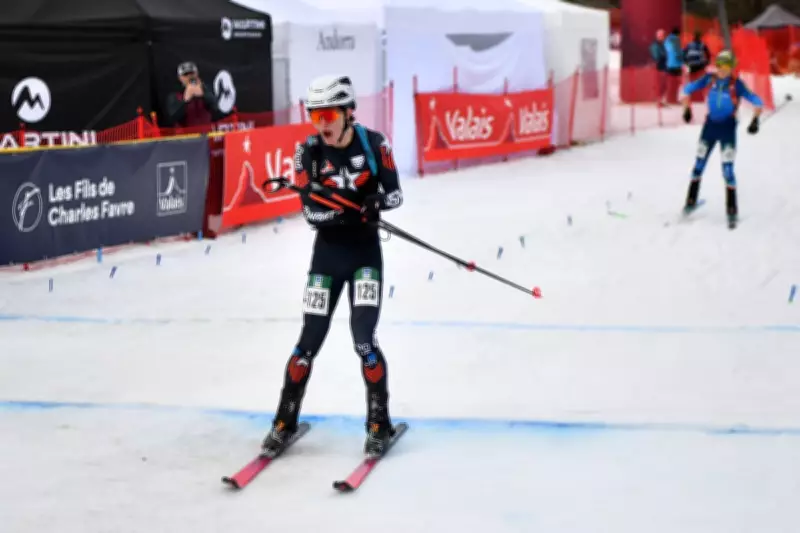
Ski mountaineering will debut on Thursday in Bormio, marking the first new sport added to the Winter Games since skeleton in 2002. The Olympic version features men's and women's individual events, plus a mixed relay, all designed to be incredibly quick—races last just three to four minutes. Athletes sprint uphill on skis with traction skins, then remove their skis to run in boots across flat sections, before another uphill climb and a final downhill ski to the finish.
This format emphasizes rapid transitions between equipment, similar to triathlon, and puts pressure on mastering technical descents. Pierre Ducrey, the IOC's sports director, explained that factors like using existing venues in Bormio and broadcast-friendly 'stadium-like' excitement drove the decision. "We're going to be able to create a stadium-like excitement for the sport," he told The Independent.

Athlete Backlash and Comparisons to 'Breakdancing'
While the IOC aims to attract younger viewers with action-packed sequences, many ski mountaineers are unhappy. British athlete Iain Innes criticized the format, dubbing it not 'real' skimo and comparing it to "running up and down like hamsters." He argued that traditional races, like the Trofeo Mezzalama, involve hours or days on difficult off-piste terrain, unlike the Olympic sprint.
"It's very controversial," Innes said. "Some athletes have just accepted that that's what the deal is... but it's just not ski mountaineering." He likened the situation to breakdancing's inclusion in the Summer Olympics, suggesting it feels gimmicky and disconnected from the sport's roots.
Logistical Challenges and Limited Participation
Other issues plague the fledgling event. Only 18 men and 18 women are competing, compared to around 100 men and 70 women at a typical World Cup. Quotas are unevenly distributed, with host nations and continental representation prioritized, leaving competitive countries like Canada, Slovenia, and the Czech Republic out. Team GB's ski mountaineering squad also failed to qualify.
Innes noted the irony: "The whole World Cup circuit is revolved around preparing for the Olympics, except only 20% of the circuit is actually going to be there." This has fueled mixed feelings among athletes, who see the Olympics as both an opportunity and a misrepresentation of their sport.
The Silver Lining: Funding and Exposure
Despite the controversy, ski mountaineering's Olympic inclusion has brought significant benefits. Innes highlighted that without the Games, there would be no British team or governing body like GB Skimo. "The Olympics has brought lots of attention and avenues for funding," he said, pointing to increased professionalism and resources in recent years.
Ducrey defended the format, comparing it to cross-country skiing where athletes specialize in different distances. "It's not like we invented this for the sake of the Olympic Games," he stated, emphasizing that explosive athletes may excel in this format but it remains open to all.
Looking Ahead to Future Games
The hope for critics like Innes is that if this version succeeds, future Olympics—starting with the 2030 edition in the French Alps—could expand to include more traditional formats and better representation. For now, the fast-paced, frenetic skimo will test its appeal with global audiences this week.
Ducrey summed up the IOC's challenge: "It’s about making sure we can adapt, evolve in the most exciting manner... finding the perfect balance between innovation and tradition." The final verdict on ski mountaineering's divisive debut will unfold as the inaugural tournament plays out in Bormio.