Sibling Duo Meg and Spenser Gustafson Chase Paralympic Glory in Alpine Skiing
Para ski racer Meg Gustafson is pursuing Paralympic medals at the Milan Cortina Games with her older brother Spenser as her guide, a partnership rooted in childhood adventures and strengthened by unwavering trust. The 16-year-old visually impaired athlete relies on her 18-year-old sibling to navigate the slopes, a role that has transformed their family bond into a competitive edge.
A Bond Forged on the Slopes
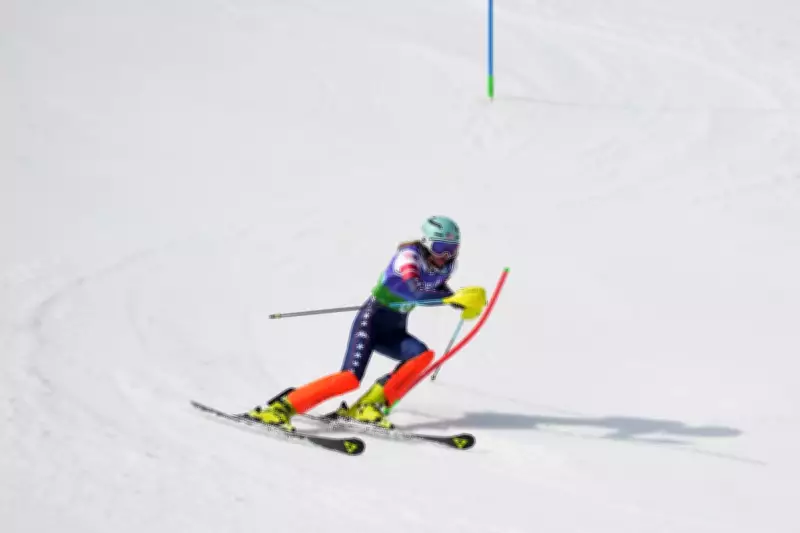
Growing up in Minnesota and Colorado, Meg always followed Spenser's lead during family ski trips. Today, that dynamic is formalised on the international stage. Their relationship is built on honesty and communication, with both siblings freely sharing critiques and strategies. Before races, they inspect courses together and devise game plans, with Meg focusing on the orange blur of Spenser's attire as he skis ahead.
"We try to keep the brother-sister rivalry out of the relationship before and during the race. But after the race, sometimes it comes out," Spenser joked. "We’re very close on and off the slopes, and this has only made us closer."

Competitive Success and Communication
On Thursday, the duo achieved their best performance yet, securing fifth place in the giant slalom for visually impaired athletes. They conclude their Paralympic campaign with the slalom on Saturday, Meg's strongest event and a potential medal opportunity. Previously, she placed sixth in downhill, seventh in Alpine combined, and eighth in super-G.
Communication is paramount; Meg listens to Spenser's instructions via Bluetooth headsets, blocking out all distractions. "Just blocking everything out except for your guide and the snow underneath your feet is definitely a big part," Meg explained. "I think that being brother and sister helps our relationship because I’m not afraid to criticize our dynamics. But I’m also open to him and all of his suggestions."
Overcoming Visual Challenges
Meg was born with a genetic disorder affecting her eye ligaments, resulting in tunnel vision. At age 12, she underwent four surgeries for a detached retina and two more on her other eye. With only seven degrees of vision, their tandem operates uniquely: Spenser skis about a gate ahead, providing cues like "left-footed hairpin" for upcoming slalom gates.
"I prefer him straight in the line of where I’m going to ski because I can only either focus on him or the gate. I cannot see both at the same time," Meg said. Spenser's role is critical; if he falls or skis too far ahead, they risk disqualification. "I can’t crash. I can’t lose a ski," he admitted, noting his bindings are set extra high for safety.
From Family Vacations to Paralympic Dreams
The Gustafsons began skiing at Hyland Hills in Minnesota before moving to Colorado, where both joined Ski and Snowboard Club Vail. Meg initially competed against able-bodied racers until introduced to Para skiing by Erik Petersen of the National Sports Center for the Disabled. Since then, she has won seven FIS races leading up to the Paralympics, with Spenser guiding her ascent.
"It’s definitely a collaboration," Meg emphasised. "Ultimately, if he skis a different line than I take, I’m typically going to follow him. I rely heavily on his line. So if he says this is the fastest line, I am going to trust him on that and follow his line."
Sibling Synergy and Future Ambitions
Their sibling dynamic fosters effective teamwork, as they are unafraid to voice opinions. "Definitely can be antagonistic," Spenser quipped, "but I think the sibling combo is one of the more effective combos of visually impaired guide-to-athletes. You’re not afraid to tell the other person what you think, which is important."
While Spenser aspires to college ski racing, he cherishes this Paralympic experience. Meg echoed the sentiment, saying, "It’s incredible that I get to compete with my big brother. It's a great experience." Their journey highlights how familial bonds can propel athletes to new heights on the world stage.