The dawn of 2026 marks the beginning of a revolutionary new chapter for Formula 1, with sweeping technical regulations poised to turn the established order on its head. As the sport embarks on this fresh era, the upcoming season promises to be one of the most unpredictable in recent memory, setting the stage for potential retirements, shock team switches, and a fiercely competitive driver market.
A Grid in Flux: Contracts, Retirements and New Challengers
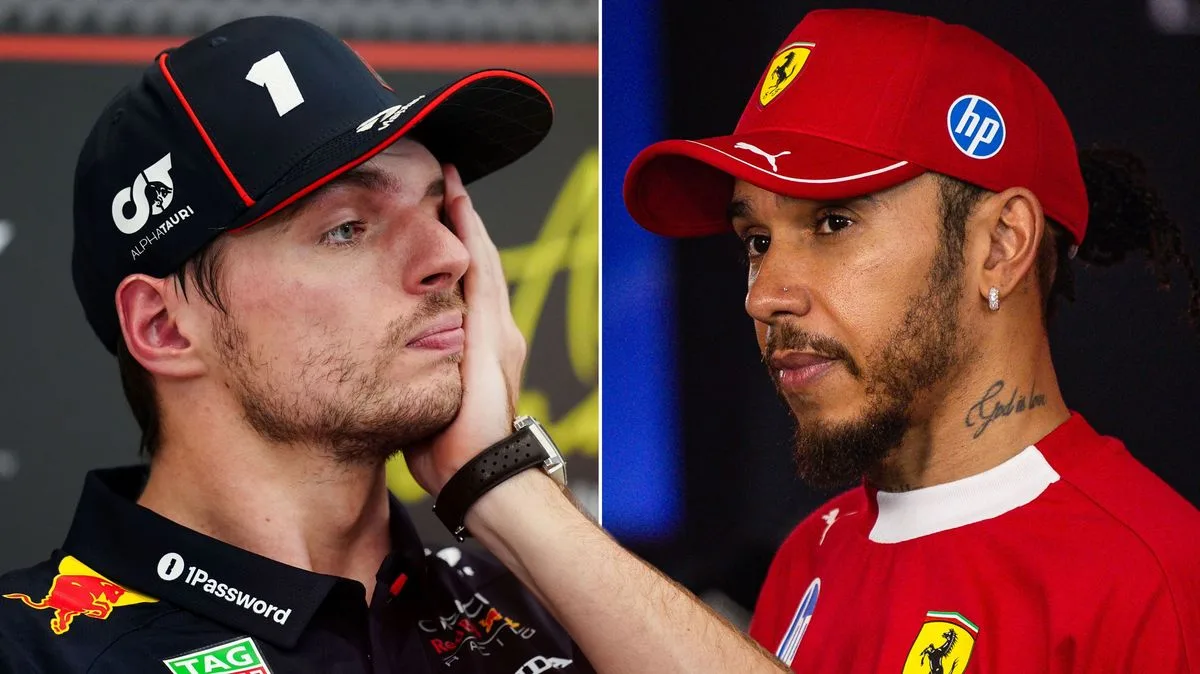
The driver market is braced for seismic activity. A staggering fifteen of the twenty-two drivers on the grid are out of contract at the end of the 2026 season. This volatile situation does not even include reigning champion Max Verstappen, whose Red Bull deal runs until 2028 but contains performance clauses that could allow an early exit. His decision is expected to act as a catalyst, holding up the plans of many others waiting to see where the dominoes fall.
This uncertainty is compounded by the very real possibility that the sport's two most experienced figures could bow out. Lewis Hamilton's move to Ferrari, understood to be a two-year deal with an option for 2027, places him in a make-or-break season. After a challenging 2025, another difficult year could see the seven-time champion, who turns 41 in January, decide he has nothing left to prove.
For Fernando Alonso at Aston Martin, the calculus is different. A successful 2026, potentially fighting for wins, might actually persuade the 45-year-old Spaniard to retire on a high, mission accomplished. If the team struggles, his fierce competitive drive could see him push on.
Performance, Reliability and a New Champion's Crown
The new engine and chassis regulations represent a complete reset, making reliability as critical as outright speed. After years of bulletproof power units, teams are likely to face a spate of mechanical failures, especially in the early races, potentially handing opportunities to underdogs. This could lead to winners from five or more different teams, breaking the stranglehold McLaren, Red Bull and Mercedes held in 2025.
Defending champion Lando Norris will face a monumental challenge to retain his title. History shows that first-time champions like Sebastian Vettel, Lewis Hamilton and Max Verstappen have gone on to create dynasties—only Nico Rosberg failed to defend, due to immediate retirement. However, major rule changes often dethrone the incumbent force. If McLaren's new Mercedes power unit is strong, Norris will be in the fight, but teammate Oscar Piastri has shown he will be no pushover.
The door is wide open for a new champion. George Russell at a resurgent Mercedes, Charles Leclerc at a hopefully competitive Ferrari, or even a wildcard like Fernando Alonso could all be in contention if their teams master the new rules fastest.
The Verstappen Conundrum and Cadillac's Debut
All eyes will be on Max Verstappen and Red Bull. While performance is paramount for the Dutchman, the team's atmosphere is also in flux. Key ally Helmut Marko has departed, and his legendary race engineer Gianpiero Lambiase is reportedly considering offers from Aston Martin and Williams. Despite his mercenary reputation, Verstappen has often spoken of his desire for a "beautiful" one-team career story with Red Bull. Leaving a relationship he has cherished since his teenage years may not be a simple decision, even if a more competitive offer arises.
Meanwhile, the new Cadillac team enters the fray. While many expect the newcomers to prop up the standings, they boast serious experience in their ranks, from team principal Graeme Lowdon to technical chief Nick Chester. Freed from some development restrictions during their build-up, and with the entire grid adapting to new rules, Cadillac could spring a surprise and outperform expectations, offering veterans Valtteri Bottas and Sergio Perez a chance to rebuild their reputations.
With testing just weeks away, the 2026 Formula 1 season is set to be a dramatic cocktail of technological revolution, career-defining decisions, and unpredictable on-track action. Buckle up.