F1 2026 Engine Controversy Intensifies Over Compression Ratio Interpretation
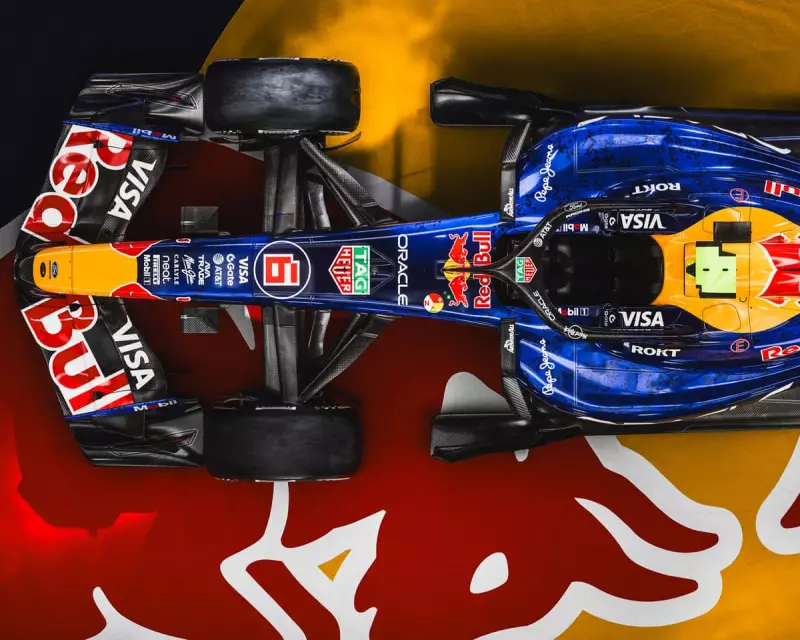
The unveiling of Red Bull's new season colours has been overshadowed by a brewing technical storm in Formula One, with the team's approach to engine compression ratios coming under intense scrutiny. As the 2026 season approaches, a significant dispute over new engine regulations threatens to dominate the narrative, with fears that Mercedes and Red Bull may have secured a crucial early advantage.
Regulatory Loophole Sparks Manufacturer Concerns
With comprehensive new engine and chassis regulations set to transform Formula One in 2026, teams' interpretations of the technical specifications have become paramount. The controversy centres on compression ratios - the difference between maximum and minimum cylinder volume during piston stroke - which are regulated at 16:1 when measured at ambient temperature with the car at rest.
Multiple rival manufacturers, including Ferrari, Audi, and Honda, have raised serious concerns that Mercedes and Red Bull have exploited a potential loophole. They allege these teams are using materials that allow thermal expansion during track running to effectively increase compression ratios and engine power, while still complying with static measurement requirements.

Performance Gap Could Create Two-Tier Field
The implications of this technical interpretation are substantial. Industry sources suggest the advantage could translate to between 0.3 and 0.4 seconds per lap - a significant margin in Formula One competition. This potential performance gap has prompted Ferrari, Audi, and Honda to formally express their concerns to the FIA, with the matter scheduled for urgent discussion at a pre-season meeting.
Red Bull's technical director, Ben Hodgkinson, who previously spent two decades with Mercedes' engine programme, defended his team's approach. "I know what we're doing. I'm confident that what we're doing is legal," he stated. "Of course, we've taken it right to the very limit of what the regulations allow. I'd be surprised if everyone hasn't done that."
Manufacturers Voice Unease Ahead of Season Start
Honda executives expressed particular concern during their engine launch in Tokyo. Chief executive Toshihiro Mibe noted that "regulations do not have everything listed very clearly, bit by bit. There is a lot of room for interpretation as well and this is a part of the race."
Honda's F1 project leader Tetsushi Kakuda admitted their power unit development was "not necessarily" progressing as expected, while Koji Watanabe, president of Honda Racing Corporation, warned that "perhaps we will struggle" with the challenging new regulations.
Audi, preparing for their Formula One debut, voiced similar apprehensions during their car launch in Dresden. Chief operating officer Mattia Binotto acknowledged that "if it's real, it is certainly a significant gap in terms of performance and lap time, and that would make a difference when we come to competition."
FIA Faces Crucial Regulatory Decision
The sport's governing body now faces a delicate balancing act. While the FIA has indicated that regulations could eventually be revised, immediate changes to measurement procedures appear unlikely. This leaves the possibility that any advantage gained by Mercedes, their customer teams, and Red Bull during early races might prove insurmountable.
James Key, Audi's technical director, expressed confidence in the regulatory process, stating: "I think if it's sort of bypassing the intent of the regulations, then it has to be in some way controlled. We trust the FIA to do that."
As pre-season testing approaches, this technical dispute represents more than just an engineering debate - it could fundamentally shape the competitive landscape of the 2026 Formula One season before a single competitive lap has been completed.